Best Sushi Tokyo: Your Complete Local Dining Guide
Finding the best sushi tokyo restaurants requires knowing where locals eat and what makes each venue special. Tokyo's sushi culture spans from three-Michelin-star omakase counters to neighbourhood gems serving exceptional nigiri at reasonable prices. This guide covers the essential venues, insider knowledge, and seasonal highlights that define Tokyo's sushi scene in 2026.
Premium Omakase Experiences in Central Tokyo
For the ultimate sushi experience, head to Ginza and Nihonbashi where Tokyo's finest sushi masters work. Sukiyabashi Jiro (three Michelin stars) remains legendary, though reservations require advance booking through luxury travel agencies. The 20-piece omakase showcases seasonal fish and Jiro's signature techniques refined over decades.
Kanda in Ginza offers three-Michelin-star sushi with an intimate 8-seat counter. Chef Yoshida sources fish daily from Toyosu Market and prepares each piece with precision. The experience costs approximately ¥30,000-35,000 ($280-330 AUD) per person. Sushi Yoshitake in Shinjuku maintains three stars and emphasises seasonal ingredients, with counter seating creating direct chef interaction.
Mizutani in Ginza offers exceptional value at two Michelin stars, with omakase around ¥15,000 ($140 AUD). The chef personally selects fish from Toyosu Market each morning, ensuring peak freshness and seasonal authenticity.
Neighbourhood Sushi Gems and Local Favourites
Tokyo's best sushi experiences aren't always in prestigious areas. Tsukiji Outer Market vicinity hosts dozens of affordable sushi shops serving fresh fish at ¥2,000-4,000 ($19-38 AUD) per person. Daiwa Sushi operates a standing counter with excellent tuna and seasonal offerings, popular with market workers and tourists.
Tsukishima, Tokyo's monjayaki neighbourhood, contains hidden sushi restaurants preferred by locals. Sushiya Onodera serves traditional nigiri in a casual setting with friendly service and reasonable prices. Meguro's backstreet sushi bars attract serious sushi enthusiasts seeking quality without pretension.
- Asakusa: Traditional neighbourhood sushi at Asakusa Ichiran (¥3,000-5,000)
- Shibuya: Modern casual sushi at Sushiro conveyor belt chain (¥100-300 per plate)
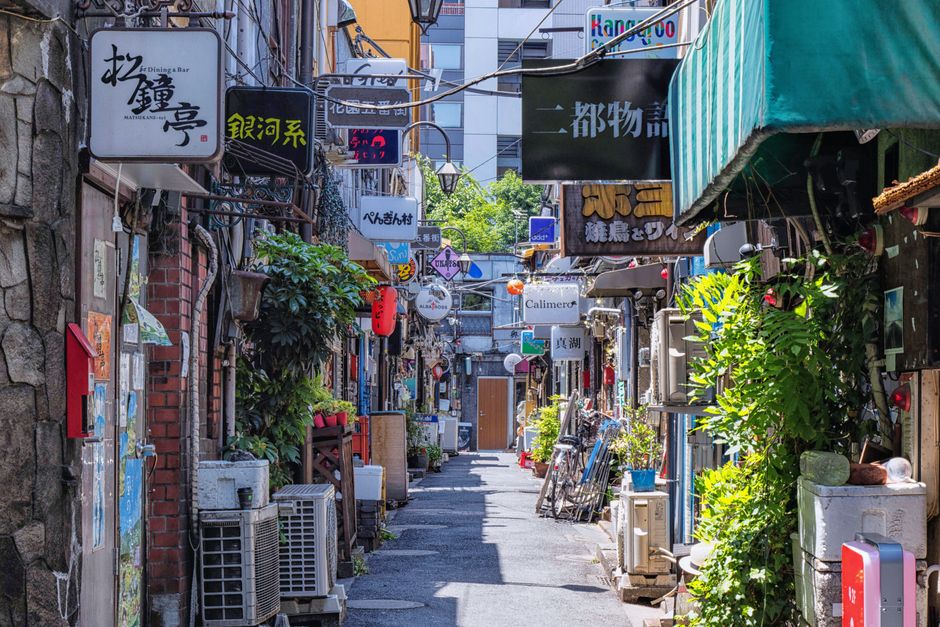
- Shinjuku: Hidden gem Sushi Masui in side alley near Omoide Yokocho
- Harajuku: Trendy spots at Omotesando Hills with international clientele
Seasonal Specialties and June 2026 Highlights
June marks Japan's tsuyu (rainy season) but brings exceptional seafood. Summer bluefin tuna (natsu maguro) becomes lighter and more delicate as water temperatures rise. Ayu (sweetfish) reaches peak season June-July, prized for delicate flavour in premium omakase. Uni (sea urchin) transitions from Hokkaido to warmer-water varieties with different taste profiles.
Hotate (scallops) from Hokkaido maintains premium quality through June. Anago (conger eel) enters peak season with sweeter, more tender flesh. Request seasonal recommendations from your chef—they adjust menus based on morning market catches and ingredient quality.
Family-Friendly Sushi Venues in Tokyo
Bringing children to sushi doesn't require compromising on quality. Conveyor belt sushi chains like Sushiro, Kura Sushi, and Hanamaru Sushi offer fun interactive dining where kids select plates visually. Prices range ¥100-500 ($0.95-4.75 AUD) per plate, making meals affordable for families.
Sushi Zanmai operates casual restaurants throughout Tokyo with English menus, reasonable prices (¥2,000-6,000), and patient service for children. Gonpachi Nishi Azabu in Minato-ku combines casual sushi with broader Japanese cuisine, accommodating various family preferences.
For teaching children sushi etiquette, Tsukishima Sushi Academy offers weekend family classes (reservation required) where kids learn nigiri-making and proper eating techniques in a fun environment.
Insider Tips and Practical Advice
Visit at quiet times: Arrive at 11:00 AM opening or after 9:30 PM for shorter waits and chef attention. Counter seating ensures fresher fish than table service.
Understand pricing: Omakase (chef's selection) typically costs ¥8,000-35,000+ depending on venue prestige. À la carte ordering at casual shops costs ¥150-800 per piece. Set meals (teishoku) offer best value at ¥1,500-3,000.
Oyster etiquette: Say "arigatou gozaimasu" (thank you) after eating, place empty plates neatly, and tip isn't customary. Ask "osusume wa?" (what do you recommend?) to engage chefs.
Market timing: Toyosu Market opens to public at specific hours; visit early morning for freshest sushi at nearby restaurants. Tsukiji Outer Market offers year-round accessibility.
Reservation strategies: Premium venues require 2-4 weeks advance booking. Use Tabelog.com (Japanese restaurant rating site) for current reviews and phone numbers. Translation services help with phone reservations.
Finding More Tokyo Insider Knowledge
Discover additional Tokyo dining secrets, neighbourhood guides, and cultural experiences by following The Daily Tokyo. Our local experts provide weekly updates on restaurant openings, seasonal dining, and authentic Tokyo experiences that tourists and visitors genuinely seek.
This article was compiled by AI and screened before publishing. See our editorial standards.