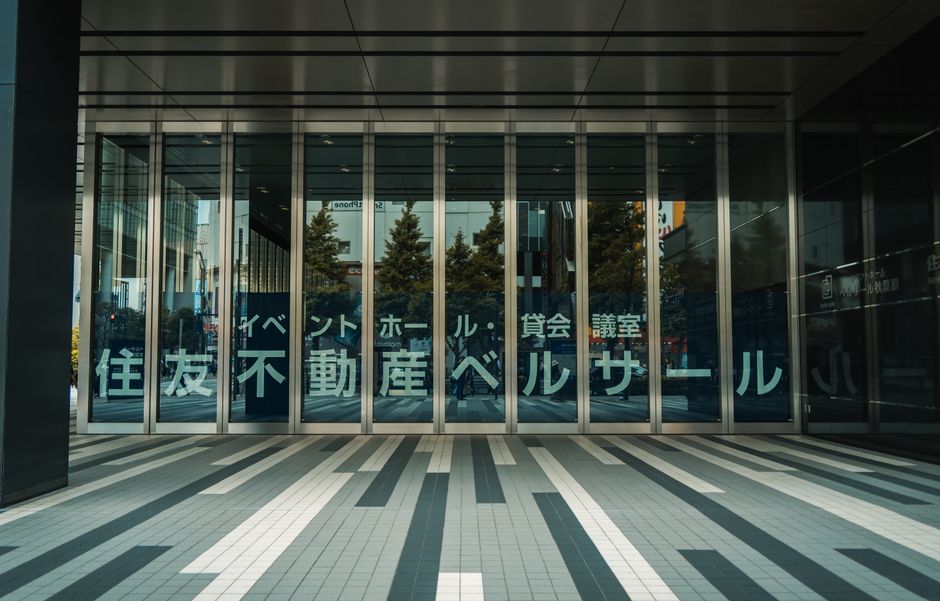
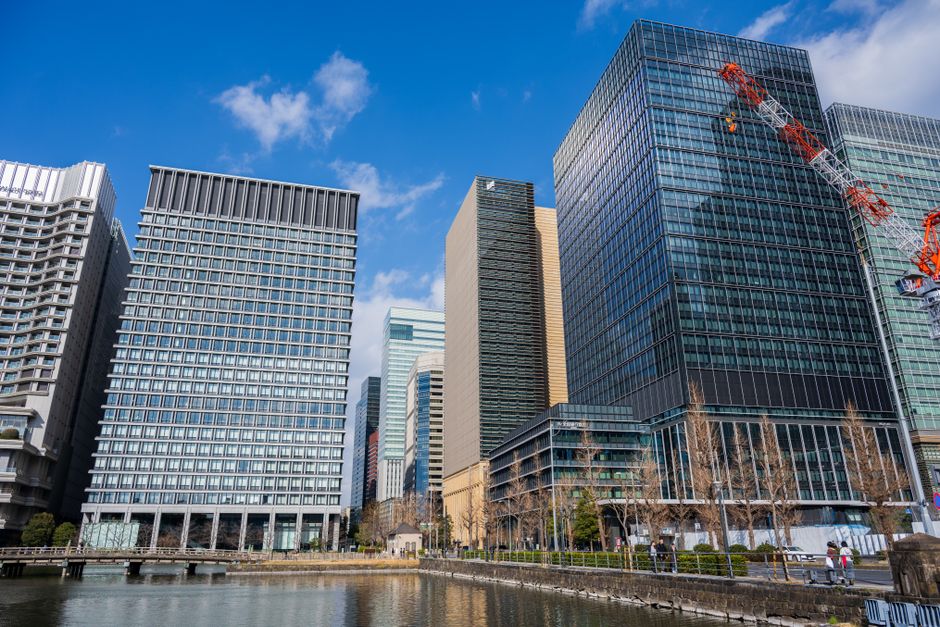
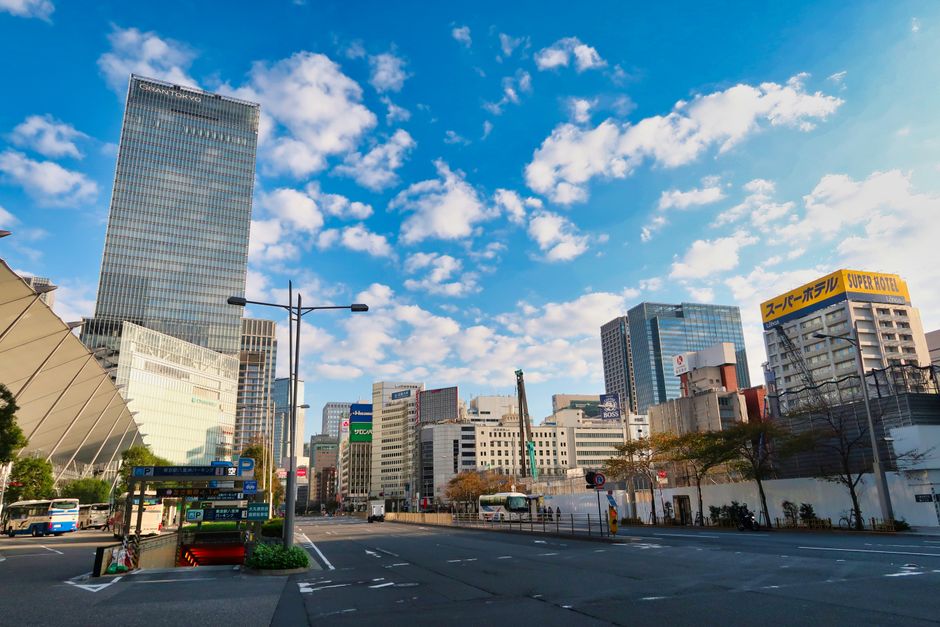
Walk through Marunouchi or Minato Ward these days, and you'll notice fewer family-run restaurants and more gleaming office lobbies. That's no accident. Tokyo's commercial property market is experiencing a significant shift, and the ripple effects are touching everyone from young families to pensioners who've lived here for decades.
Commercial property valuations in central Tokyo have climbed roughly 15-20% over the past two years, according to major real estate indices. Prime office space in the Otemachi and Hibiya districts—traditionally Japan's financial heartland—now commands rents exceeding ¥15,000 per square metre monthly. Tech firms and international corporations are gobbling up everything available, driving landlords to renovate older buildings and push out smaller tenants who can't afford the new rates.
But here's what affects your daily life: when commercial real estate becomes more valuable than residential property, developers prioritize office conversion over apartment building. In Shibuya and Shinjuku, several mid-sized residential buildings have been demolished or redesignated for mixed-use development—heavy on offices, light on homes. Young professionals moving to Tokyo are finding fewer affordable options precisely where jobs are concentrated, forcing commutes of 60+ minutes from outer wards like Adachi or Katsushika.
The gentrification effect is tangible in neighbourhood pockets too. As commercial rents climb, small businesses that anchored Tokyo's social fabric struggle. In areas like Ebisu and Daikanyama, family cafes and independent shops have given way to corporate chain franchises or temporary pop-up spaces. Local communities lose gathering points; the character that made Tokyo's neighbourhoods distinctive diminishes.
Property owners aren't villains here—they're responding to market forces. International investors view Tokyo's office sector as stable and resilient, especially with hybrid work normalizing and companies consolidating into premium spaces. That capital inflow is real, and it benefits pension funds and institutional investors. But it also means residential renters absorb costs indirectly through reduced housing stock and higher competition for available units.
For everyday residents, the practical takeaway is straightforward: if you're considering a move or long-term housing, act sooner rather than later in your target neighbourhood. Commercial pressure is moving outward from central wards. Neighbourhoods like Nakano and Koenji remain relatively affordable now, but their turn may come. Understanding these market currents isn't about speculation—it's about protecting your family's stability in a city that's changing faster than most realize.
This article was compiled by AI from the sources linked above and screened before publishing. See our editorial standards.