Tokyo's Startup Scene Shifts as VC Money Flows Toward Climate Tech and AI Infrastructure
With funding patterns changing rapidly, entrepreneurs in Shibuya and beyond need to understand where investor appetite lies in the second half of 2026.
With funding patterns changing rapidly, entrepreneurs in Shibuya and beyond need to understand where investor appetite lies in the second half of 2026.
Tokyo's innovation districts are experiencing a significant rebalancing. After years of consumer-focused startups dominating Shibuya and Shinjuku, venture capital flows are decisively moving toward climate technology and foundational AI infrastructure—a shift that carries immediate implications for founders seeking Series A funding and early-stage investors.
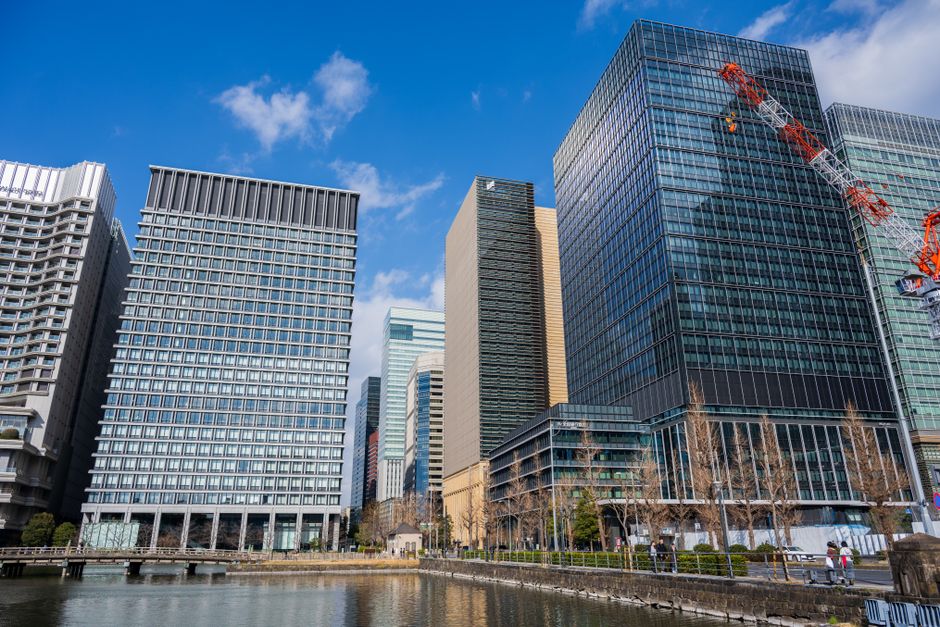
Data from the Japan Venture Capital Association shows that climate-tech and energy-efficiency startups absorbed 34% of deployed VC capital in the first quarter of 2026, up from 18% three years ago. Meanwhile, consumer app funding has contracted to single-digit percentages. This matters enormously for the thousands of startups clustered around Cerulean Tower in Shibuya and the emerging hub near Tokyo Station's Otemachi district, where real estate costs continue climbing.
The practical reality: founders pitching consumer social networks or on-demand services increasingly hear "no" from major funds like Recruit Ventures and SoftBank Vision Fund subsidiaries. Those targeting industrial decarbonization, grid optimization, or AI model efficiency find open doors—and often pre-emptive outreach from limited partners eager to deploy capital into what they see as secular growth trends.
Office rental patterns reflect this shift. Properties in Otemachi, traditionally favored by financial services, now see startup occupancy rising as climate-tech and deep-tech companies establish bases closer to potential enterprise clients. Meanwhile, premium Shibuya office space—once commanding ¥180,000 to ¥250,000 per tsubo annually—is gradually softening as demand from traditional startup cohorts cools.
The Japanese government, recognizing this momentum, has doubled down on supporting the transition. The Ministry of Economy, Trade and Industry's 100 Billion Yen Green Growth Strategy Fund, announced earlier this year, specifically targets startups addressing industrial carbon reduction. For business leaders and emerging entrepreneurs, this signals long-term policy alignment beyond typical venture cycles.
What founders need to know immediately: pitch decks emphasizing market size are less compelling than those demonstrating climate or efficiency impact alongside revenue models. Due diligence timelines for climate-tech deals have extended to six to nine months, reflecting both investor caution and genuine technical complexity. And the talent competition for engineers with physics or hardware backgrounds has intensified sharply, making recruitment from established companies far more expensive than eighteen months ago.
For established businesses watching Tokyo's startup ecosystem, the message is equally clear: acquisition targets with defensible climate or AI infrastructure assets will command premium valuations. The age of consumer-app arbitrage appears to be closing. The new cycle is only beginning.
This article was compiled by AI from the sources linked above and screened before publishing. See our editorial standards.
How does this story make you feel?
Spread the word
About this article
Published by The Daily Tokyo
Daily brief
Free, in your inbox before 7am. Weekdays.
More in Business