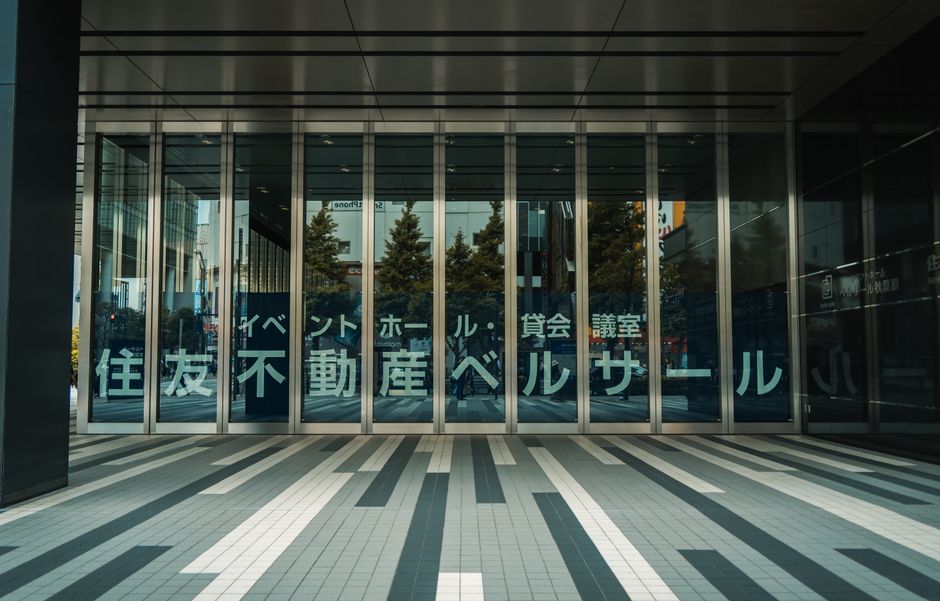
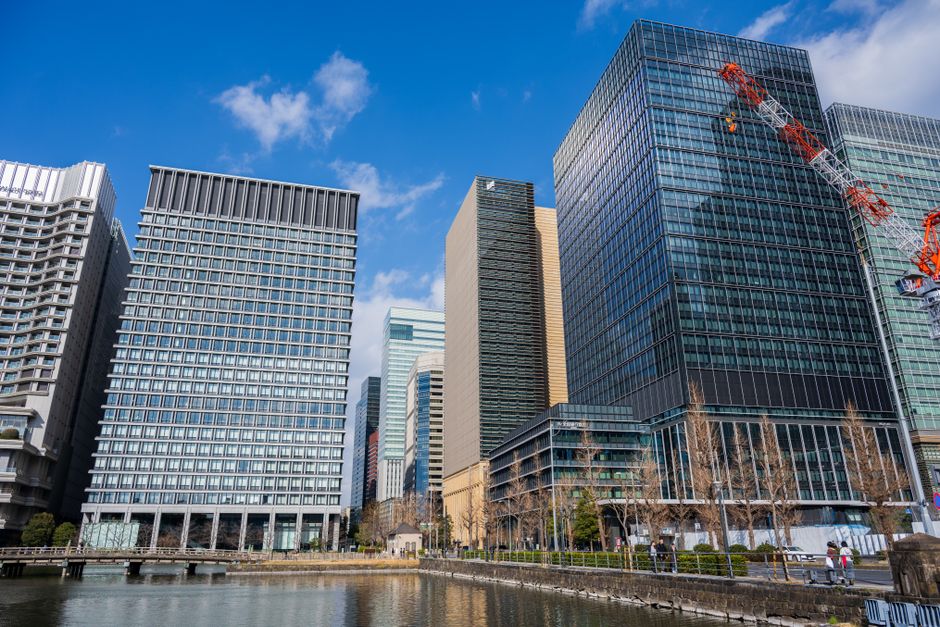
In a nondescript office building just off Meiji-dori in Shibuya, a quiet revolution is unfolding. Over the past eighteen months, cleantech startup Helix Energy Solutions has grown from a four-person operation to a 47-person team, secured ¥2.8 billion in Series B funding, and secured contracts with major utilities across Japan, South Korea, and Taiwan. The company's founder and CEO, Yuki Tanaka, represents a new breed of Tokyo entrepreneur: digitally native, globally ambitious, and determined to solve infrastructure challenges that Western venture capital has largely overlooked.
Founded in 2023, Helix Energy Solutions develops AI-powered systems to optimize energy distribution in aging electrical grids across East Asia—a market worth an estimated $340 billion by 2030. Tanaka's insight came from frustration: Japan's power infrastructure, built in the 1970s and 1980s, loses roughly 5 percent of electricity during transmission, while utilities lack real-time data to address bottlenecks. Most venture investors dismissed the problem as unsexy; Tanaka saw an opportunity.
"The Tokyo startup ecosystem has matured significantly," said Daichi Matsumoto, general partner at Coral Ventures, one of Tanaka's lead investors. "What we're seeing now are founders tackling deeply local problems with global-scale ambitions. That's where real value emerges."
Helix's headquarters occupies two floors of a renovated building in Shibuya's emerging tech corridor, near the Fukutoshin line station. The neighborhood has become increasingly attractive to startups seeking proximity to Shinjuku's financial district while maintaining lower overhead than central Tokyo's premium neighborhoods. Average office rents in the area hover around ¥15,000 per square meter—roughly half the price of comparable space in Minato ward.
The company's growth mirrors broader trends in Tokyo's startup ecosystem. According to Japan External Trade Organization data, venture funding for Japanese startups reached ¥1.03 trillion in 2025, a 34 percent increase year-over-year. Tokyo accounts for roughly 68 percent of that activity, with particular strength in climate tech, robotics, and fintech sectors.
For Tanaka, success hinges on execution speed and solving problems that incumbents cannot. Helix is currently recruiting software engineers and grid specialists, offering competitive salaries that now rival those at major tech firms. The company plans to expand into Southeast Asia next year, with offices potentially opening in Singapore and Bangkok by Q3 2027.
In a global innovation landscape increasingly fragmented by geopolitical tensions, Tokyo's focus on practical, region-specific solutions may prove its greatest competitive advantage.
This article was compiled by AI from the sources linked above and screened before publishing. See our editorial standards.