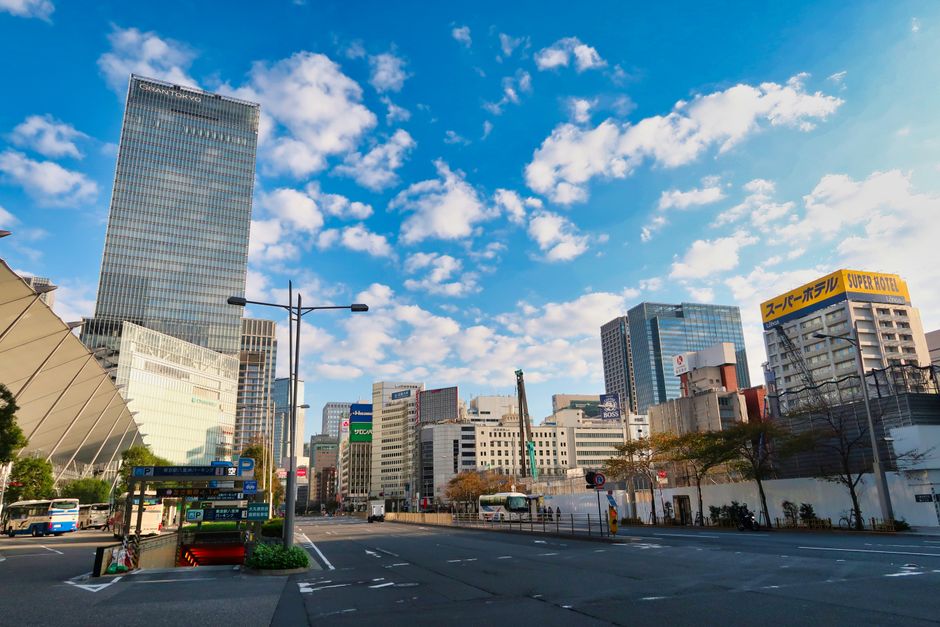
Walk through the gleaming office towers of Marunouchi on any weekday morning, and you'll see the familiar rush of salarymen heading into the headquarters of Japan's major trading houses. But behind the polished glass facades, executives are grappling with a year that has tested the very foundations of global commerce in ways not seen since the pandemic shutdowns.
The challenges are mounting. Geopolitical tensions in the Middle East and tensions between major powers have disrupted shipping lanes and forced companies to rethink decades-old supply chain assumptions. Meanwhile, rising protectionism—particularly from major trading partners—has made the tariff environment increasingly unpredictable for Tokyo-based exporters and trading corporations that depend on predictable market access.
"We're seeing clients make contingency plans for scenarios that seemed unthinkable two years ago," explains one logistics director at a major firm near Tokyo Station, speaking on condition of anonymity. Port congestion at Tokyo and Yokohama has also spiked, with container dwell times increasing by nearly 15 percent compared to the same period last year, according to port authority data.
The numbers tell a sobering story. Japan's export growth has slowed to 2.3 percent year-on-year as of May 2026, a sharp deceleration from the 8.5 percent growth recorded in early 2025. For trading houses—the sogo shosha that have historically been Japan's connection to global markets—profit margins are tightening as shipping costs remain elevated and customers demand price reductions.
In the business districts around Nihonbashi and Otemachi, where many mid-sized trading firms operate, there's palpable anxiety. Companies that specialize in importing raw materials or exporting manufactured goods face currency headwinds too; the yen's volatility has made forward planning difficult for firms operating on thin margins.
Some are adapting. A growing number of Tokyo-based trading companies are exploring nearshoring arrangements and investing in regional supply chains within Southeast Asia to reduce exposure to global disruptions. Others are diversifying into services and digital solutions rather than relying solely on physical goods trading.
For Tokyo's business community, 2026 is proving to be a year of reckoning. The era of smooth, predictable global trade flows—the foundation upon which postwar Japanese prosperity was built—appears to be firmly in the rearview mirror. How quickly companies can adapt may determine which trading houses thrive and which ones struggle in the decade ahead.
This article was compiled by AI from the sources linked above and screened before publishing. See our editorial standards.