Tokyo's startup ecosystem is undergoing a significant geographic and sectoral shift that entrepreneurs cannot ignore. While Shibuya and Shinjuku have historically commanded premium valuations, real estate pressures are reshaping where innovation actually happens—and what gets funded.
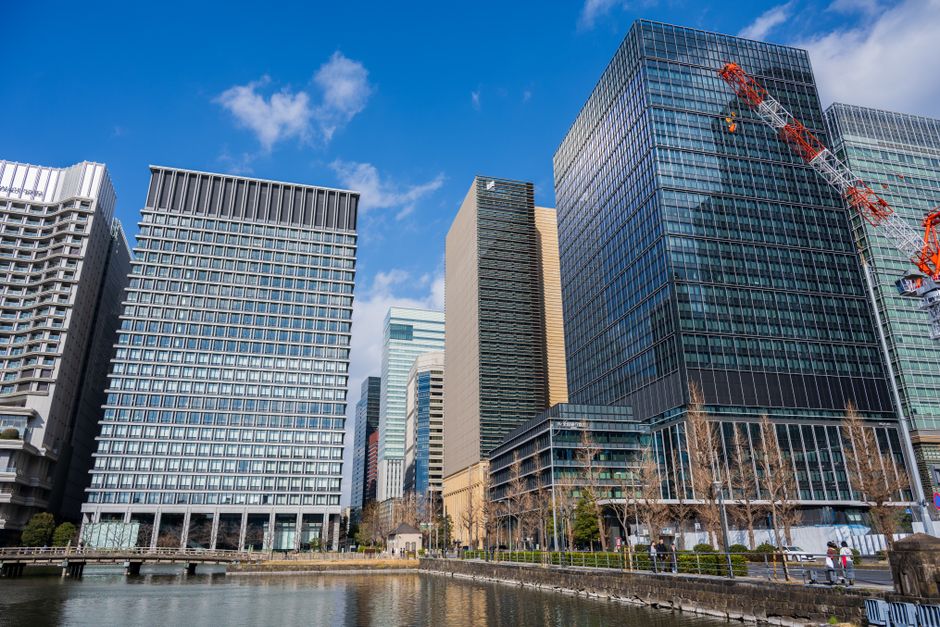
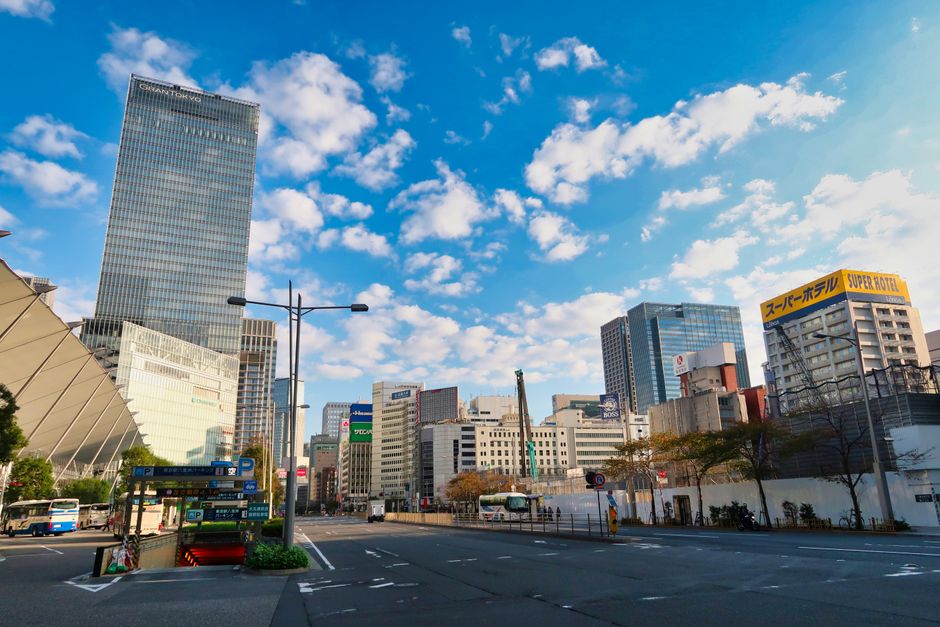
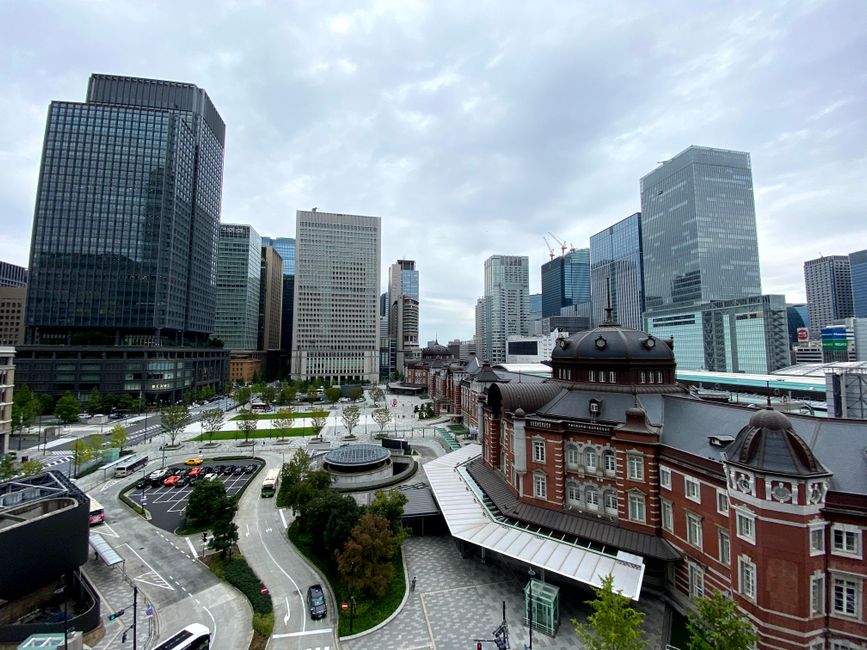
The most immediate trend: accelerating migration towards Chiyoda and Minato wards. Office space in central Shibuya now averages ¥15,000 per square metre monthly, up 23 percent since 2023, prompting venture-backed startups to relocate to neighborhoods around Akasaka and Roppongi. Several incubators that traditionally clustered near Shibuya Station have opened satellite offices along the Oedo Line, where comparable space costs ¥8,500 per square metre. This geographical dispersal isn't merely about cost—it's creating secondary innovation clusters with distinct specializations. Chiyoda-based firms increasingly focus on enterprise software and fintech, while Minato has become the epicentre for hardware and robotics ventures.
Second: AI infrastructure has become non-negotiable for funding. According to data from the Tokyo Startup Research Institute, ventures explicitly integrating large language models or generative AI received 41 percent of early-stage funding in Q1 2026, compared to 18 percent two years earlier. However, investors are now distinguishing between genuine AI innovation and repackaged solutions. Founders pitching to funds along Roppongi's venture corridor report that differentiation matters more than simply adding AI features. The subset of startups building proprietary training datasets or specialized models for Japanese language processing have attracted disproportionate capital.
Third: sustainability and climate tech are transitioning from niche to mainstream investment thesis. Tokyo Metropolitan Government's net-zero commitment by 2050 has created structural demand for green technology ventures. Startups focused on building decarbonization software for manufacturers, circular economy logistics, and energy optimization have secured notably larger Series A rounds—averaging ¥800 million compared to ¥450 million for other sectors. This reflects both regulatory tailwinds and genuine corporate demand from Japan's industrial base.
The practical implications are clear. Entrepreneurs should reassess real estate assumptions: prime Shibuya locations may no longer justify premium prices when comparable talent and infrastructure exist eastward. Funding conversations now require specific technical depth around AI applications rather than aspirational mentions. And for founders pursuing non-climate sectors, the competitive intensity has increased—margins for non-differentiated solutions are compressing.
The next 18 months will likely see further consolidation around these trends. Tokyo's startup economy remains dynamic, but the rules governing where to locate, what to build, and how to raise capital have shifted materially.
This article was compiled by AI from the sources linked above and screened before publishing. See our editorial standards.