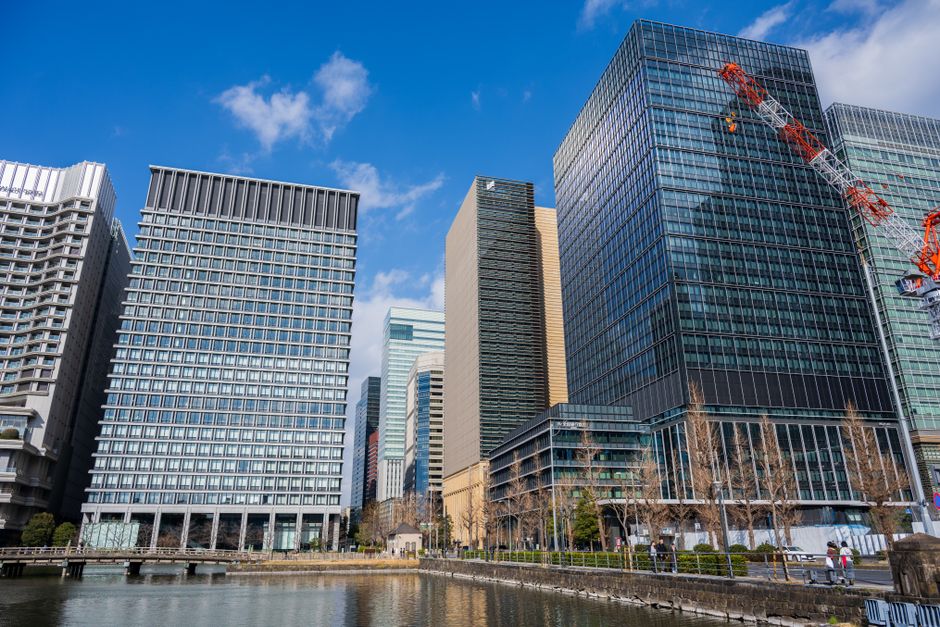
Walk through the gleaming office corridors of the Marunouchi financial district these days, and you'll hear a familiar refrain: we need people who understand non-traditional trade routes. The traditional pillars of Japan's export economy—automotive, electronics, machinery—remain important, but the geometry of global commerce is tilting in unexpected directions, and Tokyo's labour market is struggling to keep pace.
The shift is most visible in Minato ward, where trading houses and logistics firms have begun competing fiercely for talent with completely different skill sets than those prized five years ago. Regional trade agreements that bypass traditional Western markets have created demand for professionals fluent not just in Mandarin or Korean, but in emerging market regulations, African commodity supply chains, and Southeast Asian regulatory frameworks. A recruiter at a mid-sized trading firm on Roppongi Hills' lower floors noted recently that salaries for supply-chain specialists with African market experience have climbed 22 percent year-on-year since 2024.
Universities across the Kanto region report unusual hiring requests from major corporations. Tokyo Metropolitan University's graduate business school has seen enrollment in its emerging markets programme nearly triple since 2024, suggesting companies are signalling where they expect future demand to concentrate. Yet even this pipeline struggles to meet immediate needs. The shortage has created a curious inversion: mid-career professionals retraining in their 40s are now competitive candidates, and language schools in Shinjuku report booming demand for courses in Portuguese and Swahili from office workers seeking career insurance.
The economic data backs the anecdotal observations. Tokyo Chamber of Commerce surveys show 64 percent of mid-sized trading and manufacturing firms report difficulty filling trade-related positions, compared to 38 percent reporting similar challenges in 2022. Meanwhile, employment in traditional export sectors has contracted modestly, while positions in trade facilitation and emerging-market logistics have expanded by roughly 8 percent annually.
Not everyone sees opportunity equally. Recruitment firms note that older workers in conventional trading roles face steeper retraining costs and longer hiring timelines. Meanwhile, younger professionals educated abroad—particularly those with experience in India, Vietnam, or Brazil—command premiums that compress margins for domestic talent.
The broader implication is clear: Tokyo's position as a global business hub increasingly depends on its ability to retrain workers and attract international talent, not just retain them. The city's recruiters are learning that a globalised trade environment demands genuinely global workforces.
This article was compiled by AI from the sources linked above and screened before publishing. See our editorial standards.