Tokyo's Business Cost Reality: Market Trends Every Company Needs to Track Now
Rising wages, energy volatility, and shifting consumer demand are reshaping the capital's operating landscape—here's what executives must watch in the second half of 2026.
Rising wages, energy volatility, and shifting consumer demand are reshaping the capital's operating landscape—here's what executives must watch in the second half of 2026.
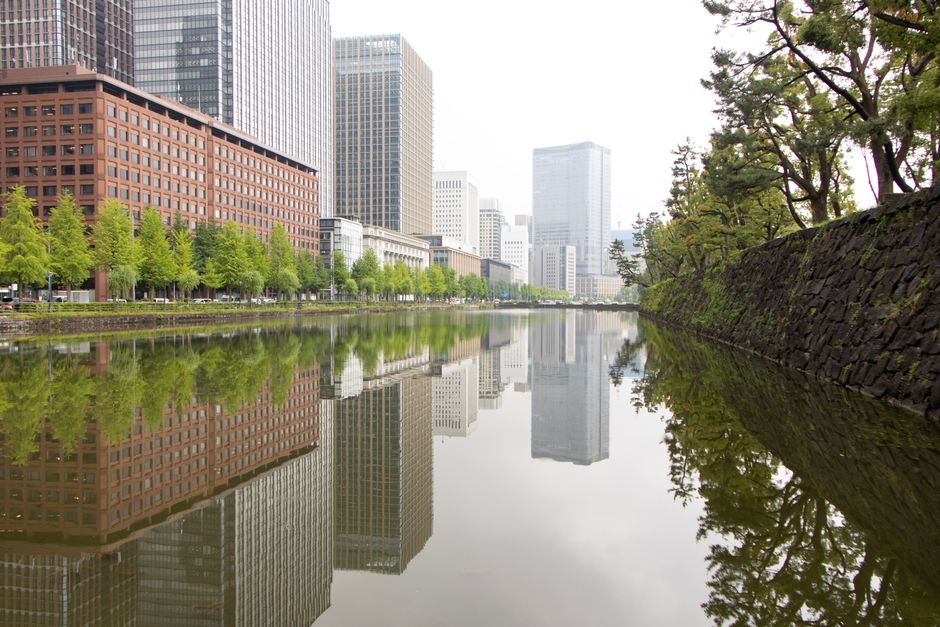
Tokyo's business environment is entering a critical juncture. While the Nikkei 225 has shown resilience, the real story unfolding on the ground tells a more nuanced tale that demands attention from anyone operating in the capital.
Labour costs continue their upward trajectory. The minimum wage in Tokyo now sits at ¥1,113 per hour—a 3.3% increase from last year—putting pressure on retail, hospitality, and service sectors that cluster densely around Shibuya, Shinjuku, and the emerging tech hubs in Minato. Small and medium enterprises operating along Omotesandō and in the Marunouchi business district report tighter margins, with some establishments forced to reassess staffing models or accelerate automation investments.
Energy costs remain volatile. While Japan's renewable energy portfolio has expanded, businesses still face quarterly fluctuations tied to global LNG markets and seasonal demand. Manufacturing and logistics operations—particularly those with warehouses in the Kasumigaseki and Odaiba waterfront zones—are budgeting for continued unpredictability.
Real estate dynamics are shifting noticeably. Grade-A office space in the Marunouchi-Hibiya corridor commands ¥30,000-¥35,000 per tsubo annually, but secondary districts like Iidabashi and Kudanshita are seeing renewed interest as hybrid work patterns stabilise. Companies are reassessing their portfolios, balancing prestige locations against actual occupancy needs.
Consumer spending patterns have fragmented. The affluent segments around Ginza and Roppongi continue strong discretionary spending, but middle-income households are becoming more cautious. Convenience store operators and quick-service restaurants report flattening foot traffic in some locations while seeing gains in others—suggesting that local micro-economics matter more than macro trends.
Digital investment remains a bright spot. Software development, cloud services, and fintech companies are expanding, particularly in the Otemachi financial district and newer startup spaces in Aoyama. These sectors are outpacing traditional industries in hiring and growth prospects.
For businesses planning the second half of 2026, the message is clear: avoid assumptions. The capital's economy is granular, with outcomes varying significantly by sector, location, and customer base. Companies should stress-test assumptions around labour availability, energy costs, and consumer behaviour specific to their operational footprint. Those operating in high-rent districts face particular urgency in justifying their real estate investments. Conversely, those willing to explore secondary locations or embrace flexible arrangements may unlock competitive advantages. The centre of Tokyo's business gravity isn't shifting dramatically, but it is redistributing.
This article was compiled by AI from the sources linked above and screened before publishing. See our editorial standards.
How does this story make you feel?
Spread the word
About this article
Published by The Daily Tokyo
Daily brief
Free, in your inbox before 7am. Weekdays.
More in Business


