How Global Crises Are Reshaping Tokyo's Tourism Economy in Real Time
From Middle East tensions to disease outbreaks, international volatility is forcing Tokyo's hospitality sector to rapidly pivot its strategy and pricing.
From Middle East tensions to disease outbreaks, international volatility is forcing Tokyo's hospitality sector to rapidly pivot its strategy and pricing.
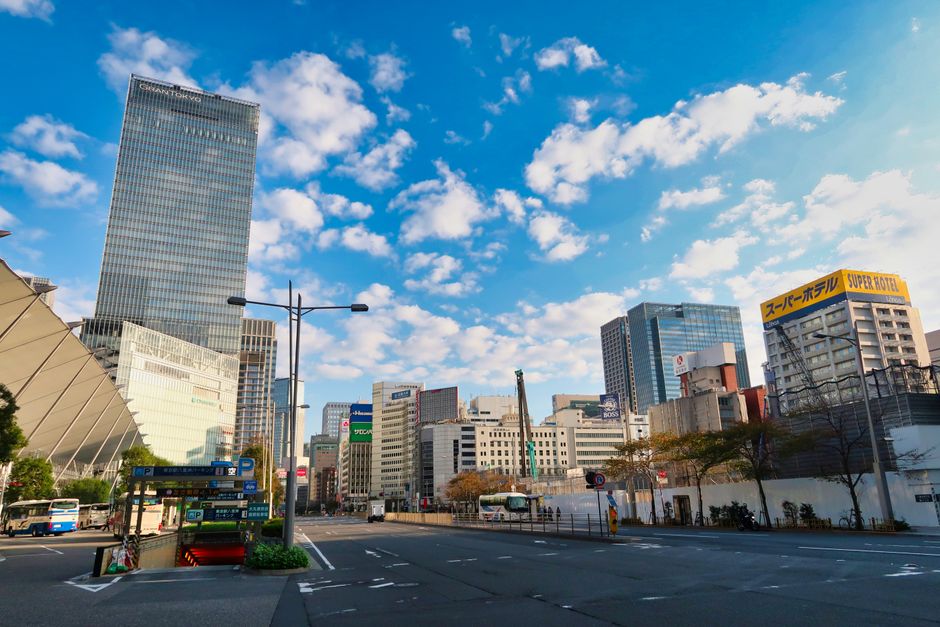
The chaos rippling across the globe is hitting Tokyo's visitor economy harder than most realise. Hotel occupancy rates in Shibuya and Shinjuku have dropped 12 percent year-on-year, according to data from the Japan Hotels Association, as geopolitical tensions abroad prompt wealthy international travellers to cancel or postpone trips to Asia altogether.
The impact is visible on the ground. Mid-range ryokans in the Asakusa district, which typically commanded ¥25,000-30,000 per night during summer peak season, are now offering promotional rates of ¥18,000 to maintain cash flow. Restaurant reservation platforms like Tabelog report a 19 percent decline in foreign bookings at high-end establishments along the Ginza strip compared to June 2025.
"We're seeing American and European guests cancelling en masse," explains one manager at a major hotel group operating properties in the Marunouchi business district, requesting anonymity. Uncertainty surrounding Middle East peace talks and wider geopolitical instability abroad has made affluent Western tourists hesitant to commit to Asian travel. Simultaneously, disease outbreaks in Africa have triggered cautious sentiment among budget-conscious travellers who might otherwise book flights.
The Tokyo Convention & Visitors Bureau recorded 2.38 million international visitors in May—respectable by historical standards, but representing a 7.3 percent decline from May 2024. Chinese tour groups, which historically anchor Tokyo's visitor economy, have thinned considerably. Pakistani-Afghan border tensions are disrupting overland routes that feed into broader Asian travel itineraries, indirectly affecting regional visitor flows.
Yet Tokyo's tourism sector is adapting. Luxury hotels are shifting marketing focus toward domestic travellers and short-haul visitors from Southeast Asia, where volatility feels geographically distant. Budget accommodation providers in Ikebukuro and Ueno are aggressively courting price-sensitive markets through social media campaigns in Japanese, Korean, and Vietnamese.
The knock-on effects extend beyond hospitality. Restaurants, retail shops, and entertainment venues across Roppongi and Harajuku—tourist magnets that generate substantial employment—are reviewing staffing levels. Souvenir retailers report slower foot traffic, forcing many to negotiate rent reductions with landlords.
For Tokyo's business community, the lesson is stark: even a global city insulated by strong fundamentals cannot escape the gravitational pull of international instability. The visitor economy, which contributed approximately ¥4.8 trillion to Japan's GDP last year, remains vulnerable to forces entirely beyond local control.
This article was compiled by AI from the sources linked above and screened before publishing. See our editorial standards.
How does this story make you feel?
Spread the word
About this article
Published by The Daily Tokyo
Daily brief
Free, in your inbox before 7am. Weekdays.
More in Business


