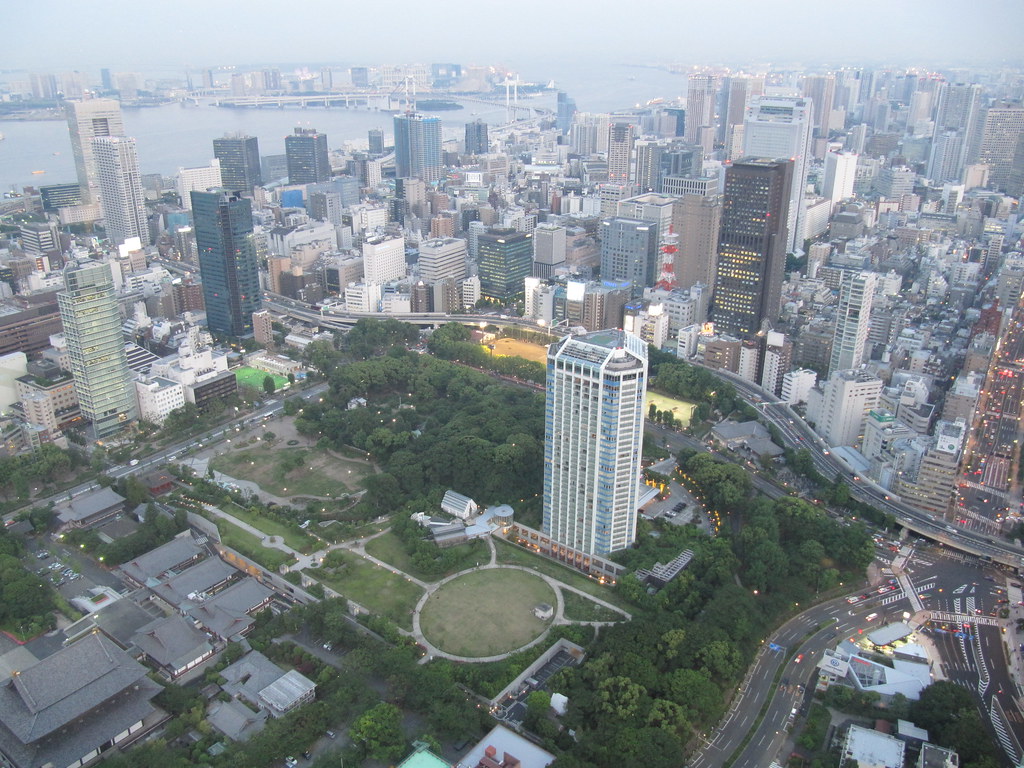
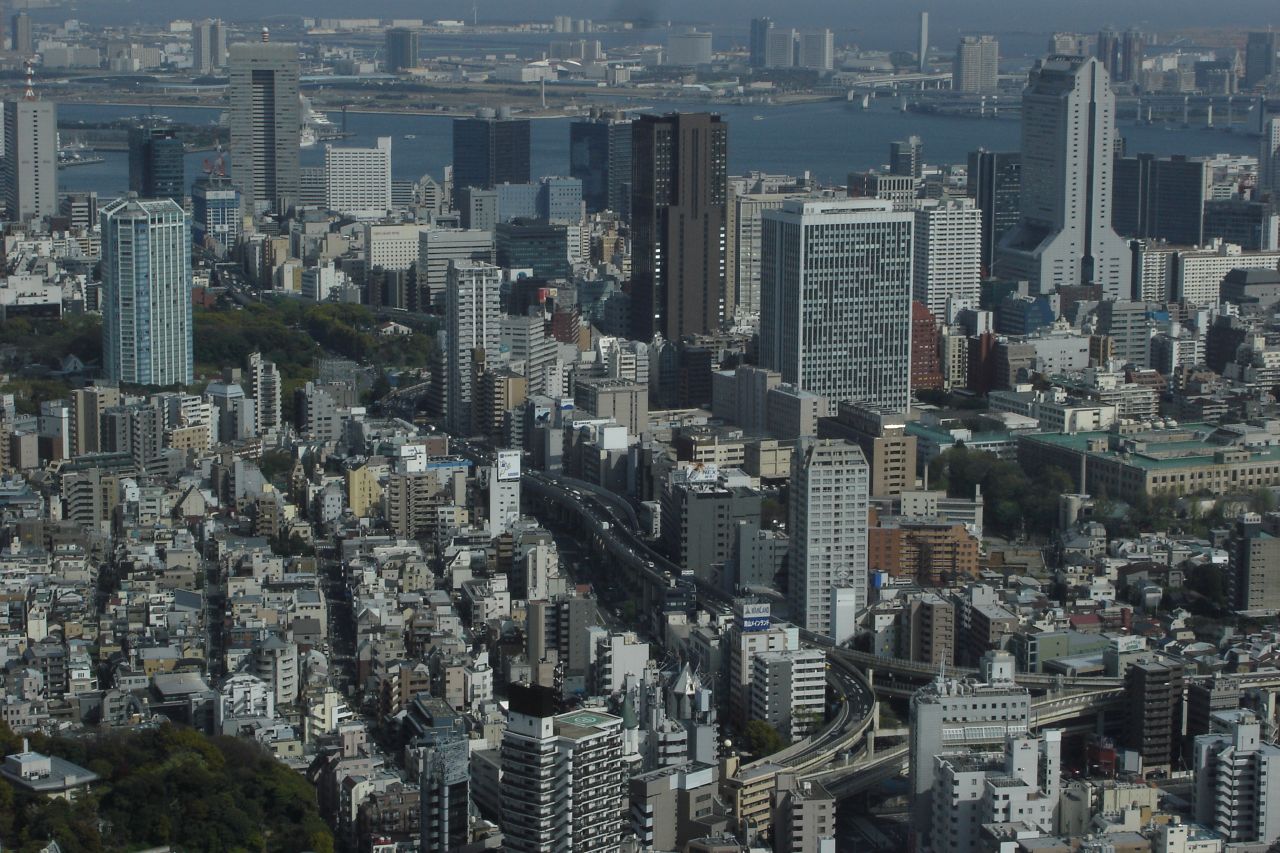
In a nondescript office building a block from Akihabara Station, a quiet revolution in international commerce is unfolding. Sustainable fashion entrepreneur Yuki Tanaka has built a supply chain that connects Tokyo artisans directly to luxury retailers across North America and Europe, bypassing traditional intermediaries and generating an estimated ¥2.8 billion in annual cross-border sales.
Tanaka's operation, which began in 2019 as a small atelier in Harajuku, now employs 47 staff across three Tokyo locations and maintains partnerships with manufacturers in Kyoto, Nara, and Shikoku. The company's model—combining Japanese textile heritage with transparent, blockchain-verified sourcing—has attracted investors from Singapore and Amsterdam, signalling a broader shift in how international buyers approach supply chain ethics.
"The global luxury market was hungry for authenticity," Tanaka explained during a recent industry forum at the Japan External Trade Organization headquarters near Kasumigaseki. "Japanese producers had it all along. We simply created the infrastructure to prove it."
The numbers tell a compelling story. Since establishing European distribution hubs in 2023, Tanaka's company has captured approximately 8% of the ethical luxury segment in Scandinavia and Germany—markets traditionally dominated by Italian and French competitors. Orders from the United States increased 340% year-on-year through 2025, with department stores from New York to Los Angeles now stocking collections exclusively.
What sets this operation apart is its commitment to regional Japanese production. Rather than outsourcing to cheaper labour markets, Tanaka invests heavily in Nishi-Tokyo manufacturing zones and maintains partnerships with family-run dye houses that have operated for generations. This strategy initially seemed commercially risky; premium production costs run 40% higher than offshore alternatives. Yet international buyers increasingly view this as a competitive advantage, willing to pay ¥45,000-¥120,000 per garment for verifiable heritage and sustainability credentials.
Industry observers note that Tanaka's success reflects a broader repositioning of Tokyo within global trade architecture. As traditional manufacturing hubs face rising costs and geopolitical uncertainty, Japanese companies emphasizing quality, transparency, and cultural provenance are experiencing unprecedented international demand.
The company is now expanding its Nihonbashi showroom and preparing for potential stock listings in Singapore and Hong Kong—moves that could establish Tokyo as a genuine nexus for ethical luxury commerce, not merely a production hub.
This article was compiled by AI from the sources linked above and screened before publishing. See our editorial standards.