Global Instability Forces Tokyo's Office Landlords to Rethink Their Strategy
As geopolitical tensions spike and remote work persists, Tokyo's commercial property sector faces pressure to adapt or lose tenants to cheaper markets.
As geopolitical tensions spike and remote work persists, Tokyo's commercial property sector faces pressure to adapt or lose tenants to cheaper markets.
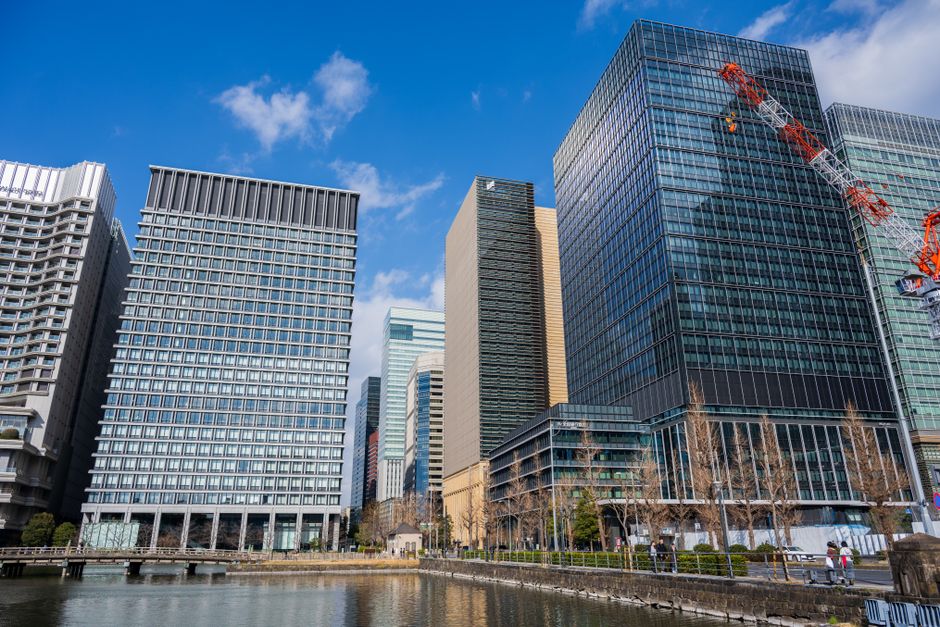
Tokyo's commercial real estate market is experiencing a subtle but unmistakable shift. While headline-grabbing conflicts in the Middle East and political uncertainty in the United States typically capture global attention, they are now reshaping office leasing decisions in Chiyoda ward and beyond—forcing landlords to confront hard truths about how connected the capital's property market has become to international instability.
The numbers tell the story. Grade-A office space in the Marunouchi-Hibiya corridor, long considered Tokyo's premier business address, is seeing vacancy rates hover around 7.2 percent—elevated compared to the 4.8 percent recorded in early 2024. Meanwhile, asking rents for prime real estate near Tokyo Station have softened slightly, dropping to ¥35,000–¥38,000 per tsubo monthly, according to recent data from major property consultancies.
The underlying cause is straightforward: multinational corporations are reconsidering their real estate footprints globally. Persistent geopolitical tension—from the Middle East to South Asia—has made some companies hesitant to expand their Asian hubs. Several financial services firms and tech consultancies have delayed or scaled back office expansion plans in central Tokyo, opting instead to consolidate existing space or negotiate shorter lease terms.
Additionally, the aftermath of global economic uncertainty has reinvigorated hybrid and remote working arrangements. Companies that once viewed Tokyo office space as essential are now questioning whether they need the full square footage they once occupied. This is particularly acute in secondary commercial areas like Kasumigaseki and Otemachi, where landlords are struggling to attract new tenants.
However, not all sectors are retreating. Life sciences, pharmaceutical, and renewable energy firms continue seeking premium office space in central locations, betting that Tokyo remains a strategic hub regardless of global volatility. The Roppongi Hills and ARK Hills complexes, which cater to these industries, report stronger leasing activity than downtown competitors.
Property developers are adapting. Many are investing in flexible workspace solutions and sustainability upgrades to appeal to cost-conscious tenants wary of long-term commitments. Landlords are also emphasizing proximity to major transit hubs—a factor that may protect properties near Shinjuku Station and Shibuya Station from the broader softening trend.
For Tokyo's business community, the lesson is clear: geography alone no longer guarantees demand. In an increasingly unpredictable world, the capital's commercial property sector must compete on flexibility, sustainability, and strategic location—not merely on prestige.
This article was compiled by AI from the sources linked above and screened before publishing. See our editorial standards.
How does this story make you feel?
Spread the word
About this article
Published by The Daily Tokyo
Daily brief
Free, in your inbox before 7am. Weekdays.
More in Business