Tokyo's startup scene shifts: AI talent wars and real estate pressures reshape innovation districts
As venture funding tightens globally, Tokyo entrepreneurs must navigate rising office costs and intensifying competition for engineering talent.
As venture funding tightens globally, Tokyo entrepreneurs must navigate rising office costs and intensifying competition for engineering talent.
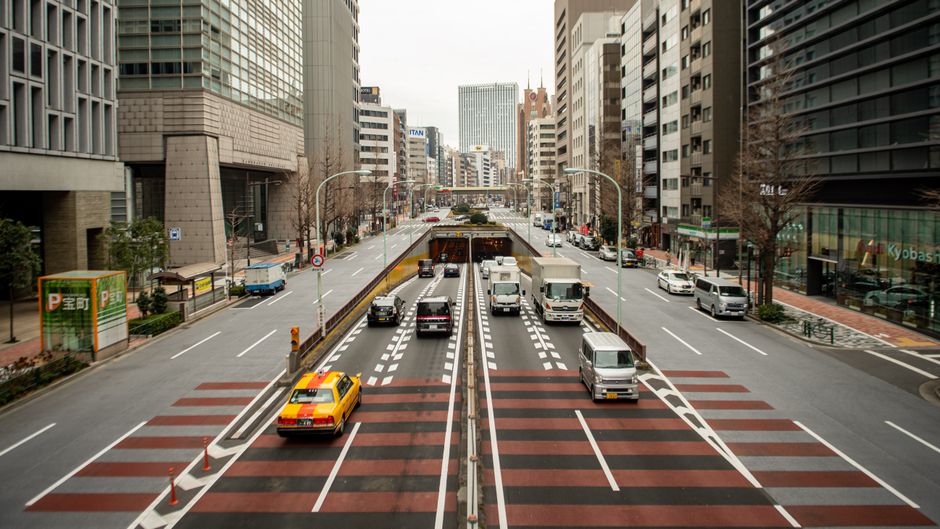
Tokyo's innovation ecosystem is undergoing a significant recalibration as 2026 unfolds. While the city remains Japan's undisputed startup hub, emerging market trends suggest businesses in Shibuya's tech corridor and Minato's emerging venture spaces need to act strategically on multiple fronts.
The most pressing concern facing founders right now is talent acquisition. A recent survey by the Tokyo Startup Research Institute indicates AI and machine learning engineers now command salary premiums 35-40% higher than two years ago. Competition has intensified as major corporations—Sony, Toyota, and Softbank subsidiaries—actively poach talent from early-stage ventures. Office space in prime startup districts tells a similar story. Shonan-Fujisawa where many deep-tech firms cluster, has seen commercial rents climb 18% year-on-year, while Aoyama—traditionally quieter for startups—is experiencing unexpected landlord interest as companies seek alternatives.
Venture capital flow patterns have shifted meaningfully. While global VC funding contracted 22% in the first half of 2026, Tokyo has proven relatively resilient. Japanese institutional investors and family offices continue backing Series A and B rounds, but Series C capital has become noticeably selective. Founders report longer diligence periods and more rigorous unit economics scrutiny than eighteen months ago.
Cross-border considerations are reshaping strategy. Export-focused startups leveraging Japan's manufacturing heritage—robotics, precision components, biotech—are finding unexpected tailwinds from reshoring trends in North America and Europe. Conversely, domestic-focused consumer apps face headwinds from market saturation and demographic challenges.
Regulatory momentum is accelerating positively. The Digital Agency's recent streamlining of startup visa pathways means foreign talent acquisition has become less administratively burdensome. Several venture firms operating from Roppongi have expanded regional hiring teams to capitalize on this opening.
Smart founders are repositioning. Co-working spaces like those around Iidabashi Station report waiting lists for flexible office arrangements—a sign businesses want to test locations before committing to long-term leases. Hybrid models, where startups maintain satellite offices in suburban tech parks while keeping minimal presence in expensive central districts, are gaining traction.
For entrepreneurs planning launches in the next six months, the message is clear: build talent retention strategies early, stress-test your unit economics against conservative funding assumptions, and seriously evaluate whether Shibuya's prestige justifies its 2026 price tag. The window for decisive action is open—but it's closing faster than last year.
This article was compiled by AI from the sources linked above and screened before publishing. See our editorial standards.
How does this story make you feel?
Spread the word
About this article
Published by The Daily Tokyo
Daily brief
Free, in your inbox before 7am. Weekdays.
More in Business


