Tokyo's Ghost Kitchen Revolution Is Reshaping Who Works Where in Food Service
As delivery-only restaurants proliferate across Shibuya and Shinjuku, traditional hospitality venues compete fiercely for staff in a fundamentally altered labour market.
As delivery-only restaurants proliferate across Shibuya and Shinjuku, traditional hospitality venues compete fiercely for staff in a fundamentally altered labour market.
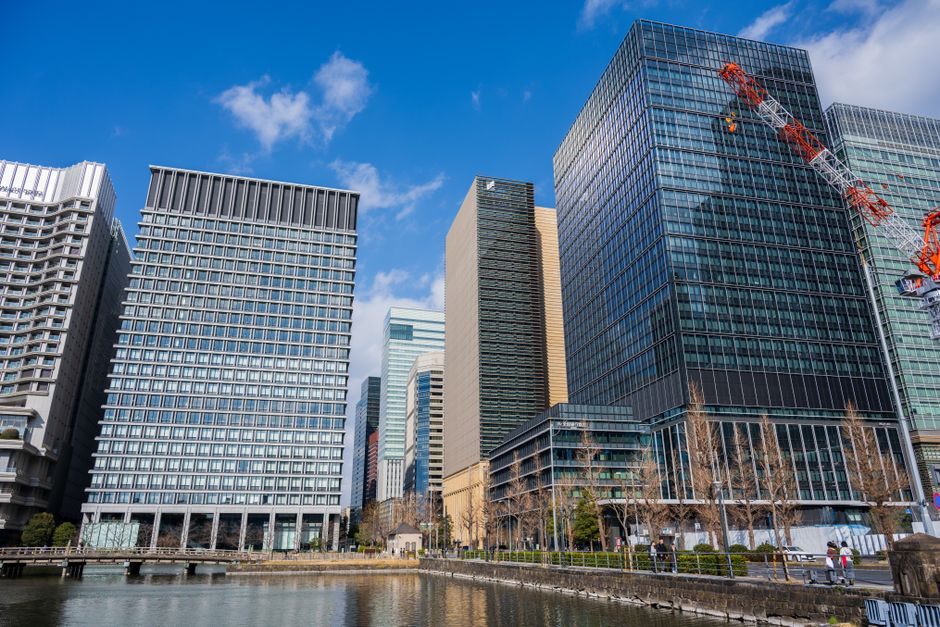
The transformation is visible across Tokyo's commercial districts. Where Shibuya once hosted rows of front-of-house dining establishments, repurposed kitchens now operate exclusively for delivery platforms. This shift—accelerated by pandemic-era patterns that never fully reversed—has triggered a fundamental realignment in how the capital's hospitality sector recruits, trains, and retains talent.
Data from the Tokyo Metropolitan Government's labour bureau indicates that food service positions in traditional restaurants fell 8.4% year-over-year, while ghost kitchen and third-party delivery roles expanded by 23%. The wage differential explains much of this movement: ghost kitchen positions typically offer ¥1,200–¥1,400 per hour with flexible scheduling, whereas sit-down establishments struggle to match these rates while maintaining service standards.
The ripple effects are reshaping working conditions across the sector. Established restaurants in Ginza and Roppongi report difficulty filling front-of-house roles, with some venues reducing service hours or consolidating locations. Conversely, industrial kitchen facilities in less visible areas—the warehouse districts of Koto and Chiyoda—have become recruitment hotspots for younger workers prioritising scheduling flexibility over career progression.
"We're seeing a hollowing out of traditional service skills," says Yuki Tanaka, executive director of the Japan Hospitality Association's Tokyo chapter. The organisation reported in April that 62% of full-service restaurants in central Tokyo have reduced staff by an average of three positions over the past 18 months. Meanwhile, culinary schools report declining enrolment in classical French and kaiseki training programmes—disciplines requiring long apprenticeships that young workers increasingly view as economically unviable.
Premium establishments, however, tell a different story. High-end venues in the Michelin-starred clusters around Nishi-Azabu and along Meiji-dori report stable or growing talent pipelines, suggesting a bifurcated market: luxury hospitality retains appeal, while mid-market and casual dining faces sustained pressure.
The implications extend beyond wages. Ghost kitchen expansion has accelerated consolidation among delivery platforms, reducing competitive pressure on labour costs in that segment. Simultaneously, traditional restaurants are experimenting with hybrid models—maintaining small dining rooms while operating parallel delivery kitchens—to diversify revenue and spread staffing costs. Some Harajuku and Aoyama venues have successfully repositioned as "experience-focused" restaurants commanding premium pricing that supports better compensation packages.
As Tokyo's food service market continues fragmenting, the city's talent landscape is following. Workers increasingly view hospitality roles as temporary income sources rather than career pathways, a shift that will require sustained investment in training and institutional reform if the sector is to rebuild its workforce base.
This article was compiled by AI from the sources linked above and screened before publishing. See our editorial standards.
How does this story make you feel?
Spread the word
About this article
Published by The Daily Tokyo
Daily brief
Free, in your inbox before 7am. Weekdays.
More in Business


