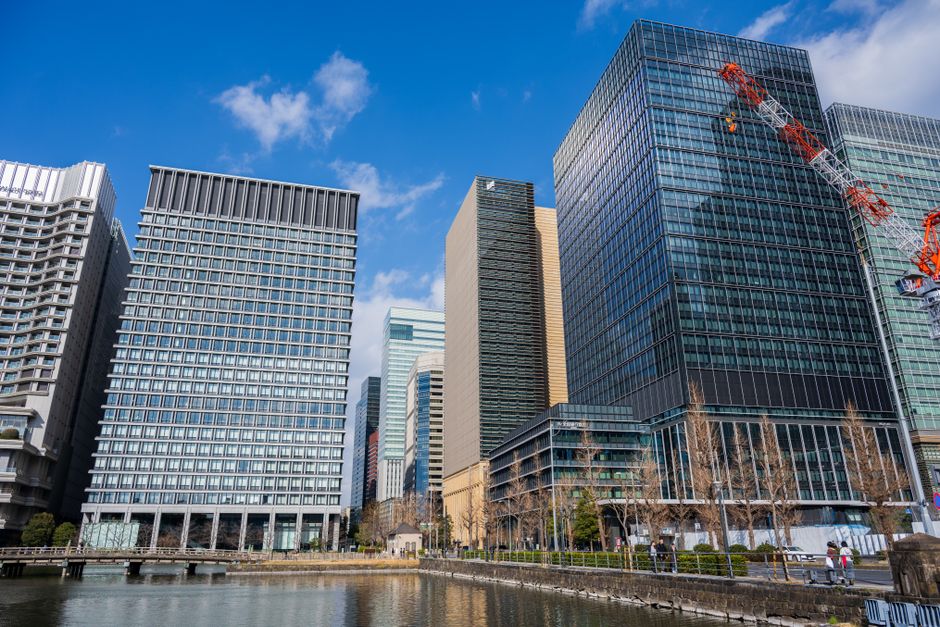
Tokyo's business district is grappling with a paradox: nominal growth continues, yet real purchasing power is tightening in ways that demand strategic recalibration across sectors. For companies operating in Marunouchi, Ginza, and beyond, understanding the current market dynamics isn't optional—it's essential for survival.
The numbers tell a stark story. Commercial real estate in Chiyoda and Minato wards has seen office rents climb 8-12% year-over-year, outpacing wage growth which remains stubbornly modest at 2-3% across most industries. Meanwhile, utility costs have stabilized after earlier volatility, but at levels 15-20% higher than pre-2022 baselines. For businesses operating in the energy-intensive hospitality and retail sectors concentrated around Shibuya and Shinjuku, margin compression is no longer theoretical—it's immediate.
Consumer spending patterns reveal the real adjustment underway. While tourist foot traffic near Senso-ji and along Omotesando has rebounded strongly, domestic discretionary spending remains cautious. Restaurants in the Nishi-Azabu and Daikanyama areas report that premium-tier diners are trading down, while mid-range establishments face pressure from delivery-dependent startups with lower overhead structures. This bifurcation—between tourism-driven resilience and domestic-consumption fragility—is reshaping investment priorities across the hospitality and F&B sectors.
The investment community is responding with defensive positioning. Institutional capital, traditionally flowing toward growth-stage tech ventures in Roppongi Hills' startup ecosystem, is increasingly gravitating toward yield-producing real assets and dividend-paying mature companies. This shift has material implications for SMEs seeking growth capital; venture funding rounds are becoming more rigorous on profitability metrics and less forgiving on revenue-multiple expansion arguments.
Currency dynamics add another layer. The yen's relative stability against the dollar—hovering near 150 yen per dollar—helps exporters but creates headwinds for import-dependent businesses. Companies managing supply chains through Haneda and Tokyo Port face persistent cost pressures that domestic pricing power cannot fully offset.
For business leaders in Tokyo right now, the message is clear: this isn't a moment for aggressive expansion plays or margin-betting strategies. Success requires disciplined cost management, ruthless prioritization of high-return initiatives, and willingness to exit unprofitable segments. The market is rewarding operational excellence and realistic growth targets over narrative-driven expansion. Companies that can demonstrate sustainable unit economics while maintaining service quality will attract capital; those relying on scale arguments alone will find investors increasingly skeptical.
This article was compiled by AI from the sources linked above and screened before publishing. See our editorial standards.