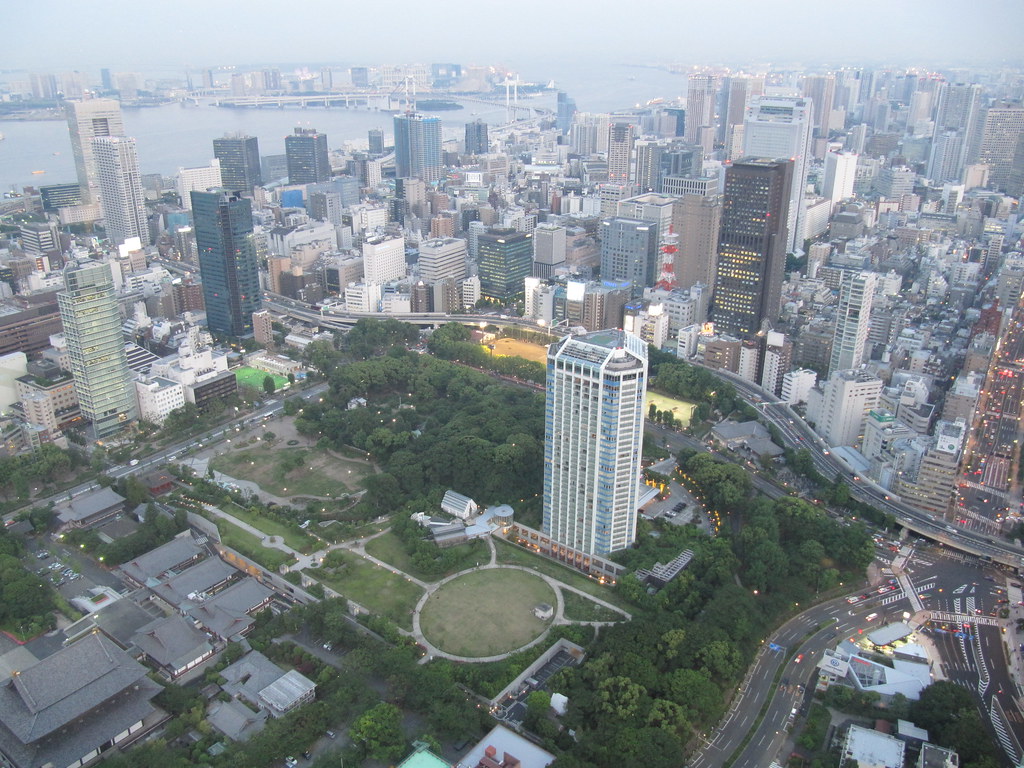
Walk into any of the gleaming office towers along Roppongi Hills or the business corridors of Otemachi, and you'll hear the same refrain: the old playbook for global trade no longer applies. Companies across sectors—from automotive to semiconductors—are frantically reconfiguring supply chains that once ran through politically unstable regions, and Tokyo's logistics and consulting firms are becoming indispensable architects of this transformation.
The opportunity is tangible. According to the Japan External Trade Organization (JETRO), cross-border logistics and supply chain consultancy revenues from Tokyo-based firms have surged 34 percent year-over-year, with particular strength in companies helping manufacturers diversify away from single-source dependencies. Firms specializing in nearshoring strategies—moving production closer to end markets—report backlogs extending into late 2027.
"We're seeing unprecedented demand for companies that can map alternative routes and validate new supplier networks," explains one senior analyst at a major Tokyo consultancy with offices in the Kasumigaseki building. Japanese trading houses like Mitsubishi, Mitsui, and Sumitomo have long operated globally, but mid-sized logistics firms based around the Shinbashi rail corridor are now competing aggressively by offering bespoke solutions rather than commodity services.
The winners so far cluster in specific niches. Software companies offering real-time supply chain visibility—particularly those based in the tech hubs of Akasaka and Shibuya—report valuation multiples climbing sharply. Port logistics operators controlling access points like Tokyo's Ariake terminal have seen utilization rates spike as companies expedite shipments through less volatile corridors. Even traditional trading companies have accelerated digital transformation initiatives centered in their Nihonbashi headquarters.
This shift has trickled down to local service providers. Customs brokerages operating from offices near Haneda Airport have expanded staff by an average of 22 percent this fiscal year. International law firms with strong Tokyo practices report surge pricing for due diligence work on alternative suppliers, with hourly rates climbing to ¥150,000 ($1,000 USD equivalent) for experienced consultants.
Yet skeptics warn the boom may be cyclical. Some economists note that stable geopolitical conditions would reduce demand for constant reconfiguration. Still, for now, Tokyo has positioned itself as the strategic nerve center for companies navigating a fractured world—a role that shows no signs of diminishing as 2026 unfolds.
This article was compiled by AI from the sources linked above and screened before publishing. See our editorial standards.