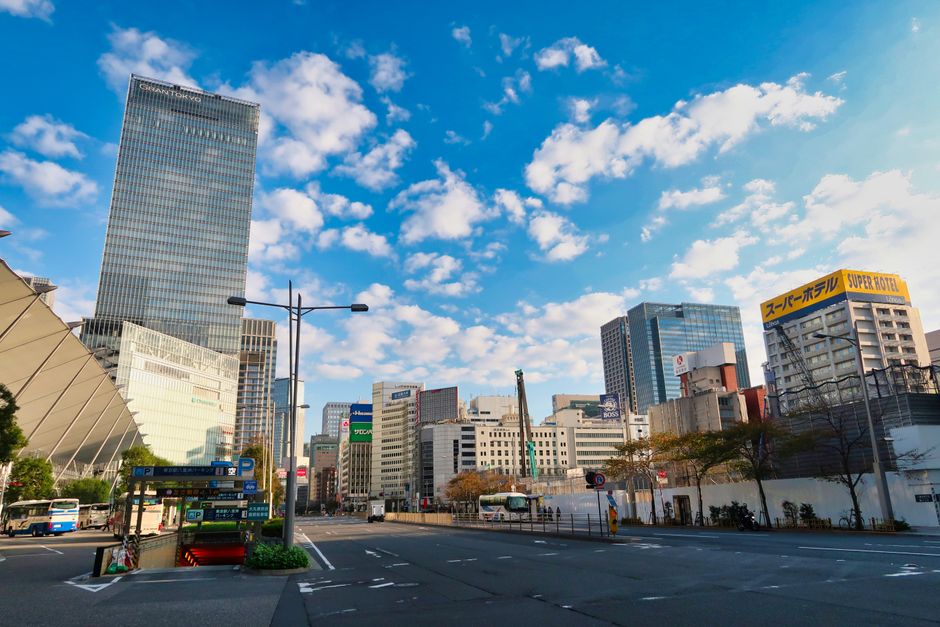
Walk along Roppongi Hills or through the gleaming lobbies of the Otemachi Financial Center, and you'll sense Tokyo's transformation. But what's actually driving the surge in investment flows reshaping the city's skyline and balance sheets?
The numbers tell a compelling story. Japan's foreign direct investment reached ¥17.6 trillion in the first quarter of 2026—a 34% jump year-on-year according to the Japan External Trade Organization. For Tokyo specifically, this translates into concrete projects: new venture capital funds launching in Shibuya, semiconductor manufacturing partnerships in Kawasaki, and residential redevelopment across Shinjuku's western precincts.
Three key indicators explain what's happening. First, the yen's weakness relative to major currencies makes Japanese assets attractive to overseas investors. A dollar that buys roughly 155 yen creates opportunities for Silicon Valley firms to establish R&D centers at lower capital costs than San Francisco or Singapore. Second, Japan's ultra-low corporate tax incentives—recently extended through 2028—are luring multinational acquisitions. Third, demographic shifts are paradoxically attracting real estate capital; investors recognize that while Japan's population shrinks overall, Tokyo remains a magnet for internal migration and international talent.
The investment flows cluster in specific pockets. Minato Ward has captured 28% of Tokyo's commercial real estate investment this year, according to CBRE Japan, with life sciences and fintech companies clustering around the Toranomon Hills complex. Simultaneously, residential property prices in central Chiyoda and Chuo wards have appreciated 8-12% annually, pricing out middle-class Japanese workers but attracting wealthy overseas buyers treating Tokyo apartments as stable long-term holdings.
Cost of living implications are immediate. Rents in Shibuya's premium office districts have climbed to ¥45,000-55,000 per square meter annually—competitive with Singapore but still below London. A family lunch in Ginza averages ¥3,500-5,000 per person, up 6% from last year. Meanwhile, train fares remain controlled at around ¥170-220 per journey, serving as a stabilizing factor for daily expenses.
The Bank of Japan's latest sentiment index shows business confidence rising, particularly among medium-sized exporters benefiting from weakened currency effects. Wage growth, however, lags investment enthusiasm—averaging 2.1% annual increases against inflation closer to 2.8%.
For Tokyo's workers and entrepreneurs, the message is mixed. Investment capital flowing in creates jobs and opportunity, but cost pressures are real. Understanding these flows—tracking foreign ownership patterns, yen movements, and sectoral concentration—separates informed decisions from reactive speculation.
This article was compiled by AI from the sources linked above and screened before publishing. See our editorial standards.