Tokyo's Remote Work Exodus: How Distributed Teams Are Reshaping the Capital's Job Market
As tech companies embrace permanent work-from-anywhere policies, Tokyo's traditionally office-bound employment landscape faces unprecedented structural change.
As tech companies embrace permanent work-from-anywhere policies, Tokyo's traditionally office-bound employment landscape faces unprecedented structural change.
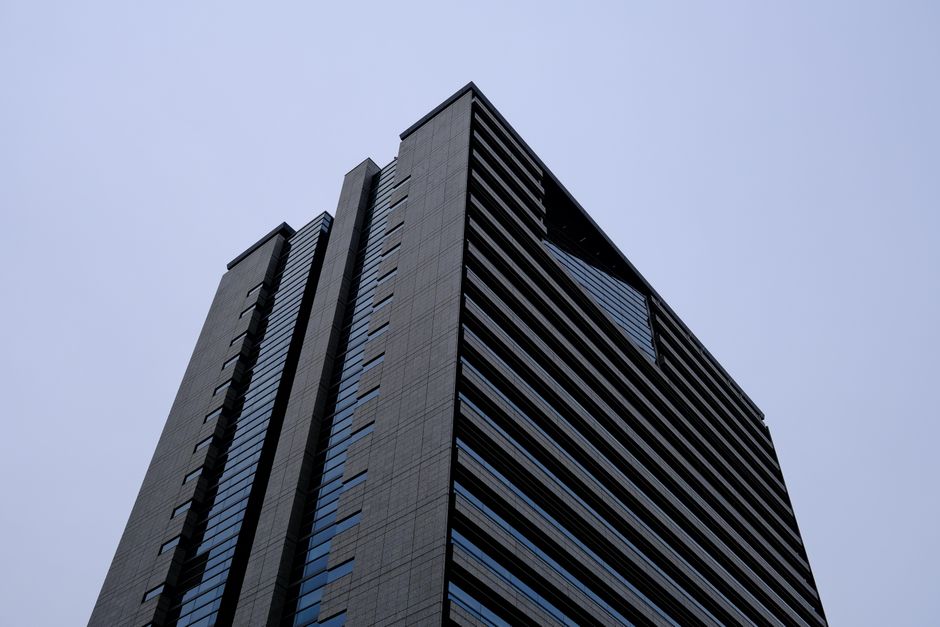
Tokyo's gleaming office towers in Marunouchi and Shibuya are facing an unexpected challenge: fewer workers are required to occupy them full-time. Three years after the initial pandemic pivot, a significant portion of Japan's largest employers have formalized remote-first arrangements, creating ripple effects across the metropolitan job market that extend far beyond the CBD.
Recent surveys indicate that approximately 38 percent of white-collar positions in Greater Tokyo now offer flexible or fully remote work options, up from just 12 percent in 2019. This shift is fundamentally altering where talent clusters form and how companies compete for skilled workers. Major financial services firms and software developers, once anchored to Kasumigaseki's regulatory corridors and Akasaka's corporate campuses, are now recruiting talent from Yokohama, Kawasaki, and even further prefectures without geographic penalty.
The implications for Tokyo's commercial real estate and employment ecosystem are profound. Office vacancy rates in central wards have climbed to levels not seen since the early 2000s, compelling landlords to convert prime Chiyoda real estate into mixed-use developments. Simultaneously, satellite office hubs are emerging in peripheral neighborhoods like Ikebukuro and Ueno, where rental costs for dedicated workspace run 40-50 percent below premium Ginza rates.
For job seekers, the competition dynamics have shifted dramatically. Entry-level salaries for developers and data analysts remain roughly ¥3.2 million annually, but candidates no longer need to relocate to the capital to access these positions. This has intensified talent competition: companies must now differentiate through professional development, equity participation, and work culture rather than simply proximity to headquarters.
Recruitment agencies operating along Roppongi's corporate corridor report a marked increase in candidates prioritizing schedule flexibility over traditional career progression. Tokyo's generalist employment model—where workers remained at single firms for decades—is fracturing in favor of project-based, contract-oriented arrangements that reward specialized expertise over institutional loyalty.
The hospitality and service sectors, unable to leverage remote arrangements, face acute labor shortages. Hotels and restaurants in Shibuya and Shinjuku report wage pressure climbing 8-12 percent annually as workers migrate toward flexible tech roles or leave the capital entirely.
By mid-2026, Tokyo's employment market resembles less a centralized hub and more a distributed network. The city retains overwhelming advantages in capital access, regulatory expertise, and institutional knowledge. But the economic geography of work is unmistakably remaking itself—and Tokyo's most successful employers are those adapting fastest to this new reality.
This article was compiled by AI from the sources linked above and screened before publishing. See our editorial standards.
How does this story make you feel?
Spread the word
About this article
Published by The Daily Tokyo
Daily brief
Free, in your inbox before 7am. Weekdays.
More in Business