Why Your Favourite Shibuya Ramen Shop Just Raised Prices—And What It Means for Your Wallet
Tokyo's retail and food sectors are navigating labour shortages and inflation in ways that will reshape how residents eat, shop, and spend this summer.
Tokyo's retail and food sectors are navigating labour shortages and inflation in ways that will reshape how residents eat, shop, and spend this summer.
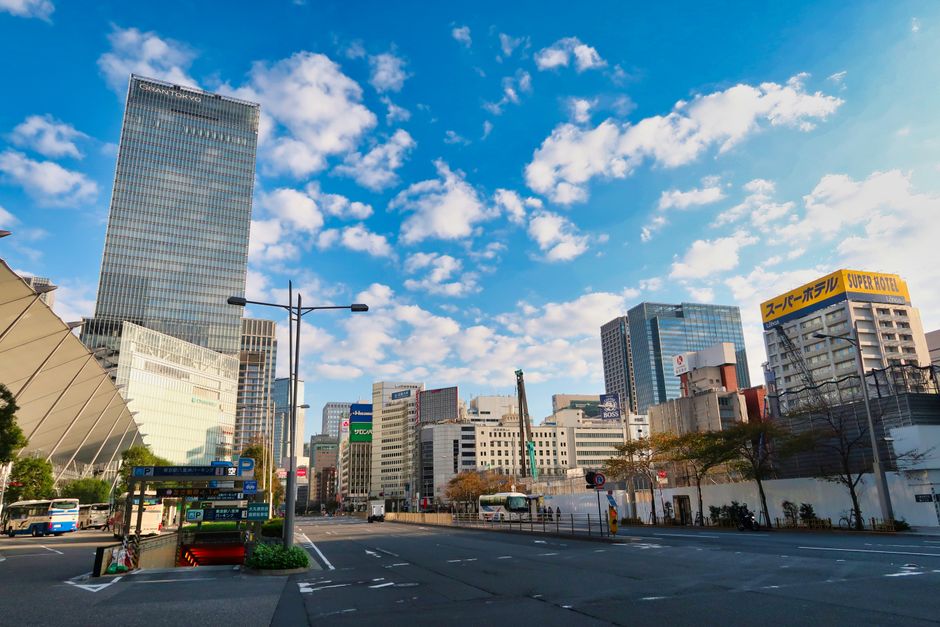
Walk down Meiji-dori in Shibuya or browse the packed shelves at any Don Quijote in Shinjuku, and you'll notice something has shifted. The convenience store meal that cost ¥500 two years ago now hovers around ¥580. A bowl of ramen in Golden Gai has climbed from ¥950 to ¥1,100. This isn't random pricing noise—it reflects fundamental pressures reshaping Tokyo's retail and hospitality sectors that everyday residents need to understand.
Labour costs are the primary culprit. Japan's hospitality industry, which employed roughly 2.7 million people pre-pandemic, continues to face significant staffing gaps. Entry-level kitchen and service roles now command ¥1,300 to ¥1,500 per hour in central wards, up from ¥1,100 just eighteen months ago. For restaurant owners operating on margins typically between 5-8 per cent, these increases are impossible to absorb without passing costs to customers.
The trend extends beyond traditional restaurants. Depachika (department store basements) in Ginza and Shinjuku are reporting shifts in purchasing patterns. Premium items still move, but mid-range bento boxes and prepared foods have seen slight volume declines as consumers adjust spending. Meanwhile, standing sushi bars and casual izakayas in Yurakucho are experimenting with higher check averages rather than raising individual item prices—a psychological strategy to soften sticker shock.
Retail is experiencing parallel strain. Major shopping districts like Omotesando are seeing consolidation among smaller tenants, with landlords increasingly demanding higher rents from chains with proven traffic potential. Several independent boutiques have relocated to secondary streets this quarter, suggesting Tokyo's retail geography is quietly reshaping.
What should matter to residents: expect continued incremental price increases through autumn, particularly in sectors reliant on shift-based labour. Budget-conscious shoppers should monitor convenience store brands—7-Eleven's private label offerings remain competitive. For dining, set lunch menus (teishoku) at established spots still represent genuine value, typically ranging ¥900-¥1,300.
The sector isn't in crisis, but it's adjusting. Chain restaurants are investing in kitchen automation, convenience stores are expanding self-checkout to reduce labour dependency, and some hospitality venues are testing four-day weeks to improve staff retention despite higher hourly costs. These changes are rational business responses—but they signal that Tokyo's famous food and retail convenience may come at gradually higher prices for the foreseeable future. Understanding these dynamics helps residents make smarter spending choices in a transitioning market.
This article was compiled by AI from the sources linked above and screened before publishing. See our editorial standards.
How does this story make you feel?
Spread the word
About this article
Published by The Daily Tokyo
Daily brief
Free, in your inbox before 7am. Weekdays.
More in Business