Why Your Morning Coffee and Evening Commute Just Got Tangled in Global Trade Tensions
As supply chains fracture across the Middle East and Latin America, Tokyo residents face hidden price pressures on everyday essentials—and it's just the beginning.
As supply chains fracture across the Middle East and Latin America, Tokyo residents face hidden price pressures on everyday essentials—and it's just the beginning.
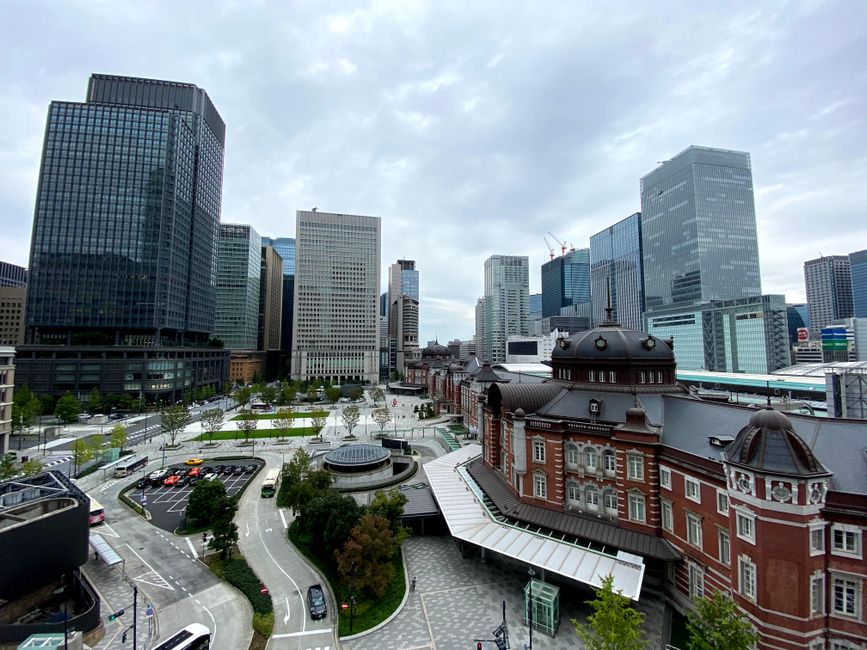
Walk into any convenience store in Shibuya or grab a coffee at a chain café in Shinjuku, and you're witnessing the invisible threads of global trade tightening around Tokyo's daily life. The recent escalation in Middle East tensions and Venezuela's humanitarian crisis aren't distant problems—they're reshaping what you pay for groceries, fuel, and imported goods right here in the city.
Japan imports roughly 90% of its crude oil, with significant portions coming from the Middle East. When geopolitical friction rises, as it has with renewed U.S.-Iran talks and Pakistan's military actions in the region, shipping routes face uncertainty. Energy traders in Tokyo's financial district are already pricing in risk premiums. For the average resident, this translates to subtle increases at the pump and higher electricity bills—costs that ripple through taxi fares, delivery services, and supermarket prices across the 23 wards.
The Venezuela situation hits differently. Japan's modest but steady trade relationship with Venezuela includes agricultural imports, though reduced shipments have tightened global cacao supplies. A 250-gram chocolate bar that cost ¥280 two years ago now regularly exceeds ¥350 at stores along Omotesando or in Ginza shopping complexes. Venezuelan oil production collapse has also pressured global crude supplies, indirectly affecting Japan's import costs.
Perhaps more immediately visible: disruptions in container shipping through the Strait of Hormuz and Panama Canal delays mean Tokyo's retail supply chains are stretched. Electronics shops in Akihabara report longer wait times for certain semiconductors and components. Luxury goods along the Ginza corridor face inventory constraints that weren't common eighteen months ago.
For commuters relying on the Yamanote Line or Tokyo Metro, fare adjustments typically follow energy cost increases with a lag of 6-12 months. The last adjustment occurred in 2023; transportation authorities monitor fuel costs closely.
The larger lesson: Tokyo's prosperity depends on stable global trade flows that most residents never see. When Venezuela struggles or Middle Eastern tensions spike, impacts arrive quietly—not as headlines, but as higher prices at your local supermarket, fewer product choices, or eventual transport fare increases. Understanding these connections helps explain why your monthly household budget feels squeezed, even when headlines focus on distant crises. International trade isn't an abstraction for financial analysts; it's woven into the cost of living in one of the world's most globally integrated cities.
This article was compiled by AI from the sources linked above and screened before publishing. See our editorial standards.
How does this story make you feel?
Spread the word
About this article
Published by The Daily Tokyo
Daily brief
Free, in your inbox before 7am. Weekdays.
More in Business