Hiroshi Tanaka stands in his compact workshop in Nihonbashi, adjusting inventory spreadsheets on a worn laptop. His precision electronics components, bound for overseas markets, now face an uncertain journey. The ongoing negotiations between major powers over Middle Eastern stability have sent shipping insurance premiums climbing 18% in recent weeks—a direct hit to margins that were already thin at 12% for small exporters like his.
Tanaka's situation encapsulates a broader challenge gripping Tokyo's small business ecosystem. The city's estimated 1.2 million small and medium-sized enterprises (SMEs) that depend on global trade are navigating an unusually volatile landscape. Port congestion, elevated freight costs averaging ¥45,000 per 20-foot container from Tokyo to Rotterdam (up from ¥38,000 three months ago), and unpredictable logistics windows are forcing difficult decisions about production schedules and client commitments.
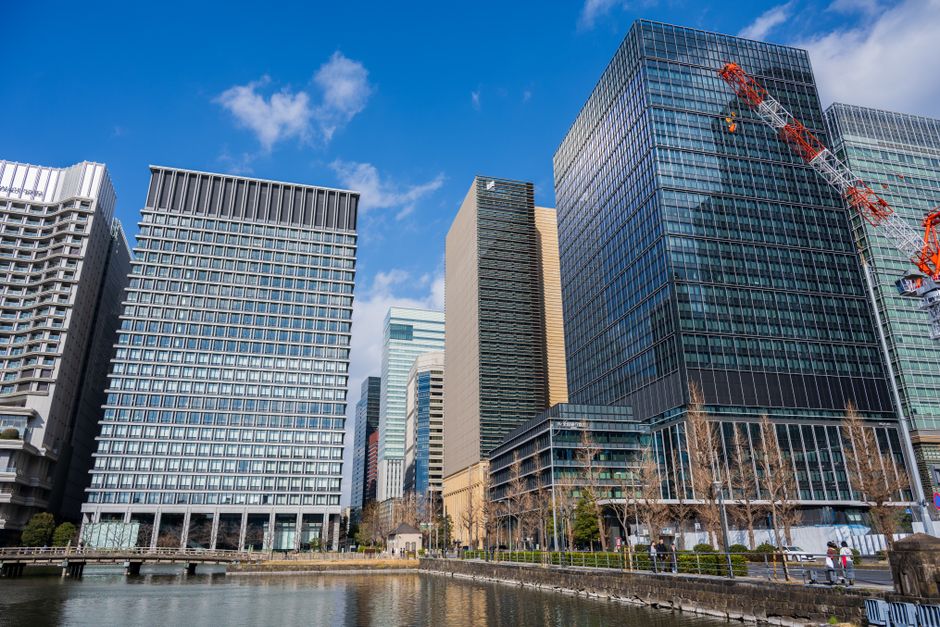
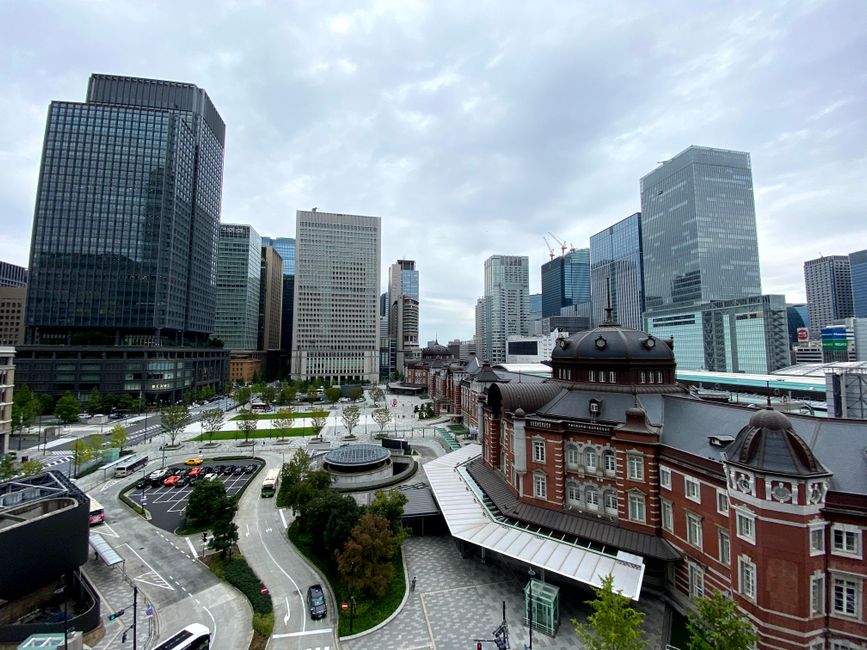
In the Chiyoda Ward business corridors near the Imperial Palace, where dozens of trading companies maintain offices, conversations have shifted dramatically. Several logistics firms report clients requesting alternative routing through Southeast Asian hubs to avoid transit risks, adding 7-10 days to delivery schedules. Meanwhile, sectors reliant on African supply chains—textiles, minerals, and certain pharmaceuticals—face additional uncertainty. The health crises unfolding across the continent have triggered port delays in West African hubs that Tokyo businesses depend on.
Yet some entrepreneurs are adapting strategically. A cosmetics manufacturer operating from a small facility in Minato Ward has begun partnering with regional distributors to establish local inventory in Southeast Asia, reducing exposure to straits-dependent shipping. The strategy costs approximately ¥3.2 million to establish, but provides insulation against route disruptions.
The Tokyo Metropolitan Government's Small Business Promotion Division reports increased demand for advisory services, with consultation requests up 34% year-over-year. Many entrepreneurs are exploring nearshoring arrangements with Vietnam and Thailand, though the pivot requires capital many lack.
Industry associations note that Tokyo's SME sector—historically resilient through rapid adaptation—faces genuine structural challenges this time. Unlike previous disruptions, current global tensions appear less cyclical and more durable. For business owners on Nihonbashi's side streets and Ginza's back alleys, the question is no longer whether global turbulence will pass, but how quickly they can restructure their operations to survive in a permanently altered environment.
The answer may determine which Tokyo small businesses thrive in the next decade and which become cautionary footnotes in the city's commercial history.
This article was compiled by AI from the sources linked above and screened before publishing. See our editorial standards.