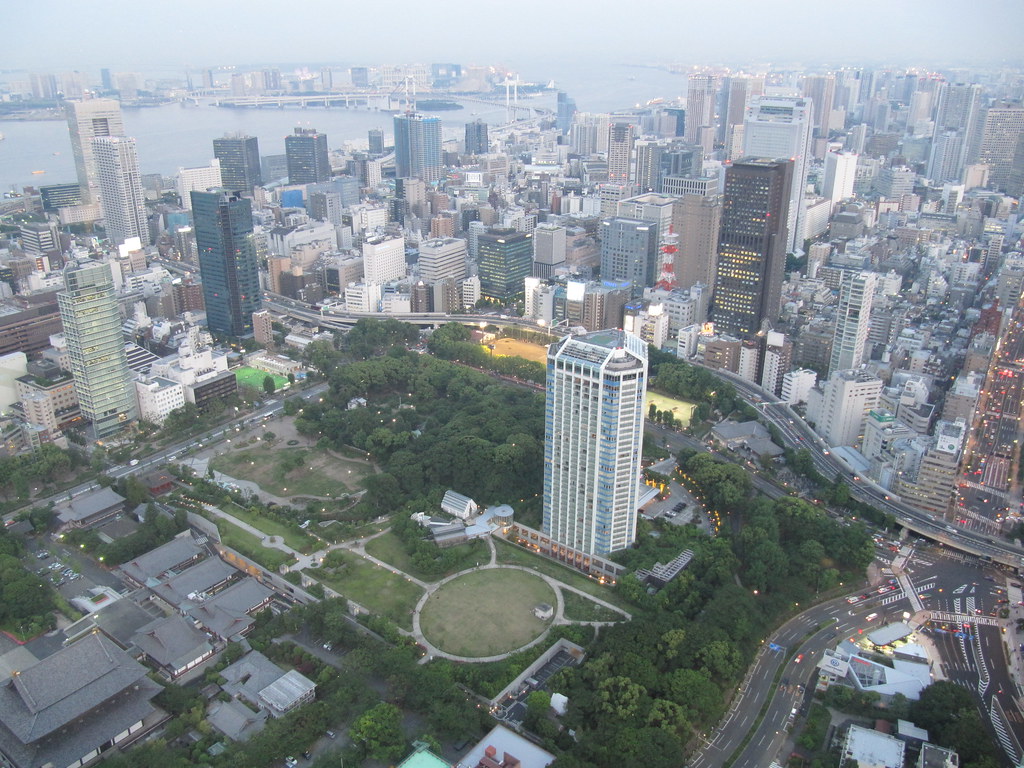
Walk through Marunouchi's gleaming office towers or the startup hubs of Shibuya, and Tokyo's economy appears robust. Yet beneath the surface, employment data tells a more nuanced story—one that explains shifting investment patterns across the city and nation.
The headline figures suggest stability. Tokyo's unemployment rate hovered near 2.3% in May 2026, well below the national average of 2.6%. Yet vacancy rates tell a different tale. Job openings in the capital have contracted 8% year-on-year, according to the Ministry of Health, Labour and Welfare, signalling that companies are becoming more selective about hiring.
This apparent contradiction reflects a critical shift in investment flows. Foreign direct investment into Tokyo declined 15% in the first quarter compared to last year, with multinational corporations increasingly hesitant about expansion. Meanwhile, domestic venture capital has concentrated heavily in artificial intelligence and robotics—sectors where Tokyo's aging workforce crisis makes automation investment particularly attractive.
The geographic distribution of job creation reveals where capital is actually flowing. In Minato Ward's technology corridor, including areas near Roppongi Hills and Azabudai Hills, major tech firms are hiring aggressively in engineering roles, driving salaries up 12% year-on-year. Yet in neighbouring Chiyoda Ward's traditional finance district, recruitment has stagnated, as banks automate back-office operations.
Real estate prices reflect this realignment. Office space in Shibuya and Shinjuku—traditional business hubs—has softened by 6-8%, as companies downsize central locations in favour of distributed remote work arrangements. Conversely, suburban office parks near Yokohama and Kawasaki have seen 18% rental increases, as manufacturers relocate closer to transportation hubs.
Wage data provides the clearest window into investment confidence. Entry-level salaries in fintech and green technology have climbed to ¥3.8-4.2 million annually, while traditional corporate positions remain flat at ¥3.1 million. This wage divergence demonstrates that investment is flowing toward innovation sectors, not legacy industries.
The implications matter for Tokyo's future. Companies are investing heavily in fewer, more specialized roles rather than broad workforce expansion. Foreign investors—traditionally drivers of employment growth—are taking a wait-and-see approach to Japan's interest rate environment and regulatory changes. Meanwhile, domestic capital is betting aggressively on automation and high-skill technical roles.
For job seekers in Tokyo, the message is clear: the market rewards specialization over generalism, and investment flows toward future-facing sectors. The economy isn't shrinking, but it is definitively reshaping itself.
This article was compiled by AI from the sources linked above and screened before publishing. See our editorial standards.