Tokyo's Job Market Faces New Headwinds as Global Instability Reshapes Hiring
From Middle East tensions to mining deals, international crises are rippling through Tokyo's employment landscape faster than ever.
From Middle East tensions to mining deals, international crises are rippling through Tokyo's employment landscape faster than ever.
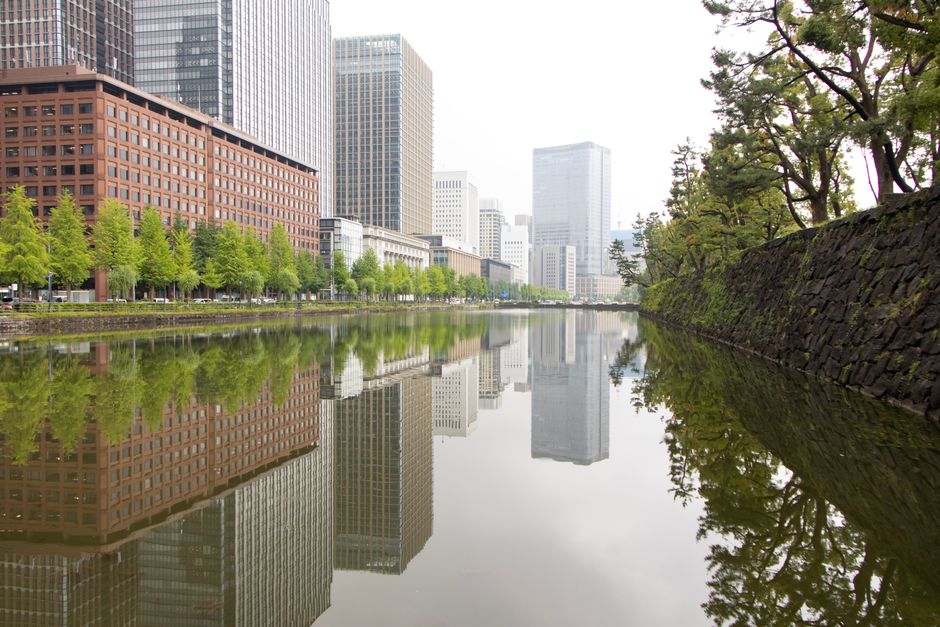
Walking through Marunouchi's gleaming office towers or the startup hubs clustered around Roppongi Hills, Tokyo's business elite are watching global headlines with growing anxiety. The convergence of Middle East instability, mining sector volatility, and disease outbreaks across Africa is creating unexpected pressure on Japan's already-tight labour market—and local employers are adjusting their hiring strategies accordingly.
The numbers tell a cautious story. Tokyo's unemployment rate ticked up to 2.3% in May, the first meaningful increase since early 2024, as companies in financial services and trading houses reassess their international headcount. Major firms along Nihonbashi's banking corridor report that planned expansion hires for their Middle East operations are being postponed. One mid-sized trading company based near Kasumigaseki delayed recruitment for its Dubai office by six months, citing geopolitical uncertainty affecting regional operations.
The mining sector presents another complication. Tokyo hosts the regional headquarters for numerous resource extraction firms, with extensive operations across Africa and Central Asia. Recent developments involving major international deals have prompted sudden portfolio reviews, creating uncertainty about staffing needs. Engineering and technical positions—typically in high demand—are seeing slower growth in hiring announcements, with companies waiting for clearer visibility on project timelines.
Healthcare and pharmaceutical sectors, meanwhile, are experiencing the inverse effect. Several firms headquartered in Chiyoda are expanding their epidemiology and infectious disease research teams, partly in response to emerging global health concerns. Salaries for specialists in these fields have risen 8-12% year-on-year, according to local recruitment agencies, making competition fierce for qualified candidates.
The uncertainty is reshaping Tokyo's employment narrative. Remote work adoption, which had plateaued around 40% across major corporations, is experiencing renewed interest as firms seek flexibility amid global volatility. Flexible staffing agencies in Shibuya report a 15% increase in enquiries from companies looking to scale workforces without long-term commitments.
For job seekers, particularly those with international experience or expertise in geopolitically sensitive regions, opportunities remain—but they're increasingly contingent. Companies are emphasising shorter contract terms and performance-based metrics rather than traditional permanent positions. The cultural shift is notable: five years ago, lifetime employment remained the aspiration for many; today, adaptability commands premium compensation.
Tokyo's economy has weathered global storms before, but the current combination of factors suggests this slowdown could persist. By autumn, clearer patterns should emerge—and with them, whether local employers will weather this storm or brace for deeper structural change.
This article was compiled by AI from the sources linked above and screened before publishing. See our editorial standards.
How does this story make you feel?
Spread the word
About this article
Published by The Daily Tokyo
Daily brief
Free, in your inbox before 7am. Weekdays.
More in Business