Tokyo's Investment Sector Faces Perfect Storm of Headwinds in 2026
Rising inflation, currency volatility, and geopolitical uncertainty are testing the resilience of Japan's financial hub as investors reassess risk appetites.
Rising inflation, currency volatility, and geopolitical uncertainty are testing the resilience of Japan's financial hub as investors reassess risk appetites.
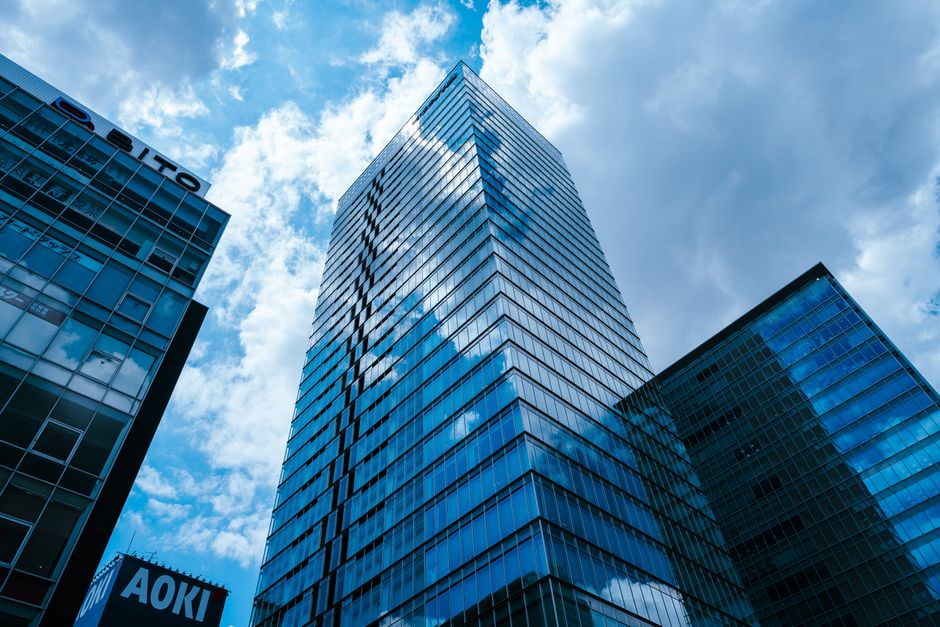
Tokyo's gleaming financial district—from the tower blocks of Marunouchi to the trading floors humming beneath Otemachi's office complexes—is confronting a cascade of challenges that have begun to dampen the city's investment momentum halfway through 2026.
The fundamental problem is visibility. After a relatively buoyant 2024-2025 period, when Tokyo regained some lustre as a safer alternative to volatile emerging markets, the investment landscape has fractured. Inflation, stubbornly above the Bank of Japan's 2% target despite aggressive tightening, has compressed real returns. Residential property prices in central wards like Chiyoda and Minato—which climbed 8-12% annually through 2025—are now cooling, with transactions down 23% year-on-year according to preliminary data from Tokyo Real Estate Exchange.
Currency fluctuations compound the problem. The yen's weakness earlier this year initially attracted foreign capital seeking bargains in Japanese equities and real estate. But recent volatility has reversed that calculus. Foreign direct investment into Tokyo slowed to ¥2.3 trillion in the first quarter of 2026, a sharp drop from ¥3.1 trillion in the same period last year, according to the Japan External Trade Organisation.
Geopolitical tensions, meanwhile, are rattling confidence among institutional investors. The Middle Eastern standoff and ongoing regional instability have prompted major pension funds and asset managers operating from Tokyo's financial offices to reassess emerging market exposure. Several significant investment symposia scheduled for the Roppongi and Shibuya districts have been postponed or scaled back as fund managers delay capital deployment decisions.
The cost-of-living squeeze is also altering investor behaviour. Office rents in prime Ginza and Nihonbashi locations have remained elevated despite economic headwinds—commercial space here averages ¥25,000-30,000 per tsubo annually—forcing smaller asset managers and fintech firms to migrate to secondary locations or reduce headcount. This reshuffling, while creating opportunities in areas like Ikebukslaget or Tamagawa, reflects broader uncertainty.
Perhaps most troubling for Tokyo's financial establishment is the talent drain. Rising living costs—grocery inflation has exceeded 6% year-on-year, and housing remains unaffordable for many young professionals—have prompted skilled traders, analysts, and fund managers to explore opportunities in Singapore, Hong Kong, or remotely.
The city's investment sector isn't in crisis, but it is navigating a notably more treacherous environment than twelve months ago. Recovery will require clearer macroeconomic signals and restored geopolitical stability—conditions unlikely to materialise quickly.
This article was compiled by AI from the sources linked above and screened before publishing. See our editorial standards.
How does this story make you feel?
Spread the word
About this article
Published by The Daily Tokyo
Daily brief
Free, in your inbox before 7am. Weekdays.
More in Business


