Tokyo's Office Market Faces Perfect Storm of Rising Costs and Shifting Work Patterns
Landlords in Marunouchi and Shibuya grapple with elevated vacancy rates and tenant reluctance as hybrid work reshapes demand for premium commercial space.
Landlords in Marunouchi and Shibuya grapple with elevated vacancy rates and tenant reluctance as hybrid work reshapes demand for premium commercial space.
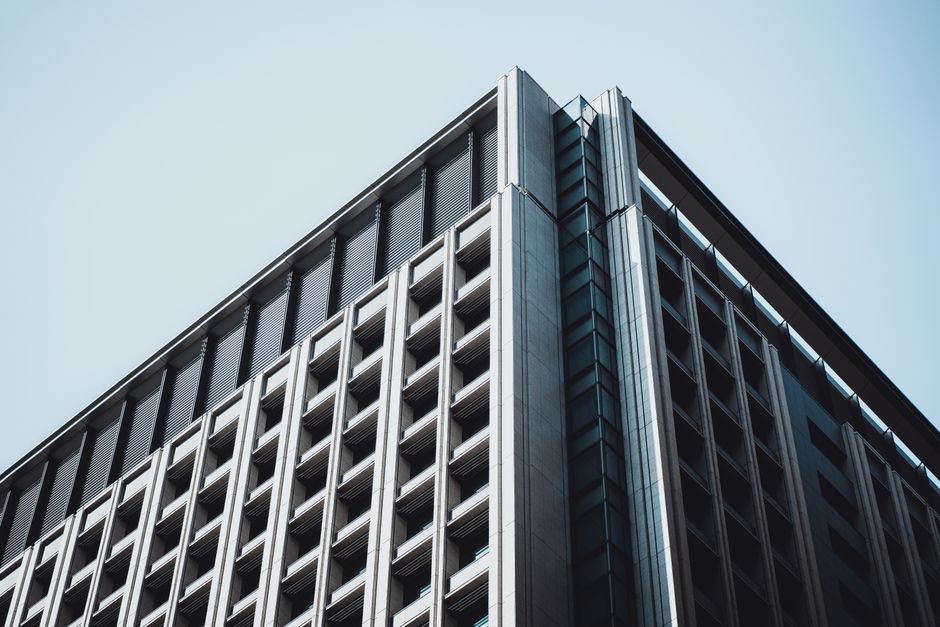
Tokyo's commercial property sector is navigating treacherous waters in 2026, as a confluence of economic headwinds and structural workplace changes test the resilience of one of Asia's most mature real estate markets.
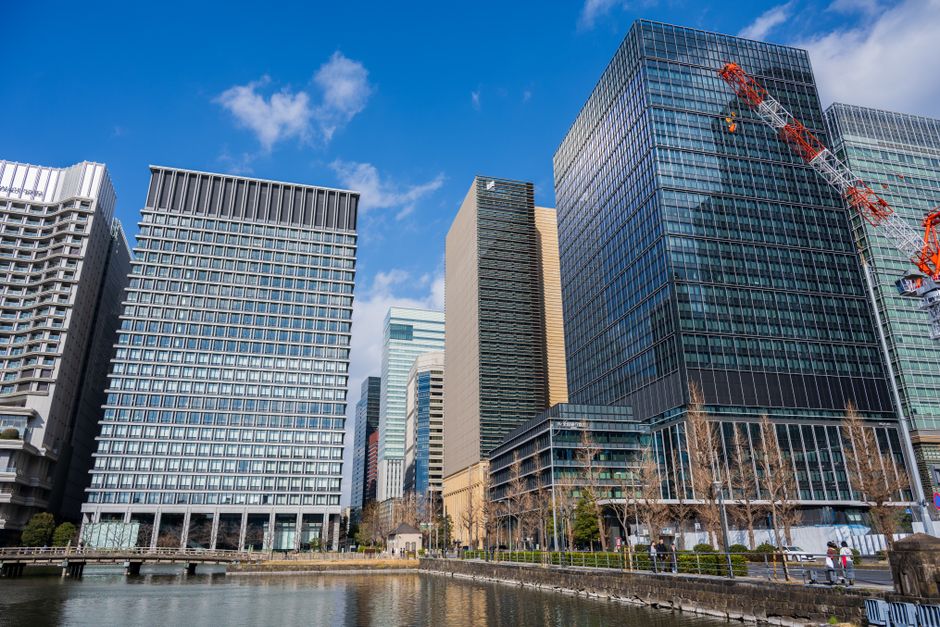
The office vacancy rate in central Tokyo's prime business districts—including Marunouchi, Chiyoda, and Minato—has crept upward to 7.3 per cent, the highest level since 2019, according to recent market surveys. For landlords accustomed to sub-5 per cent figures during the pre-pandemic era, the shift signals a deeper recalibration of corporate space requirements than many anticipated.
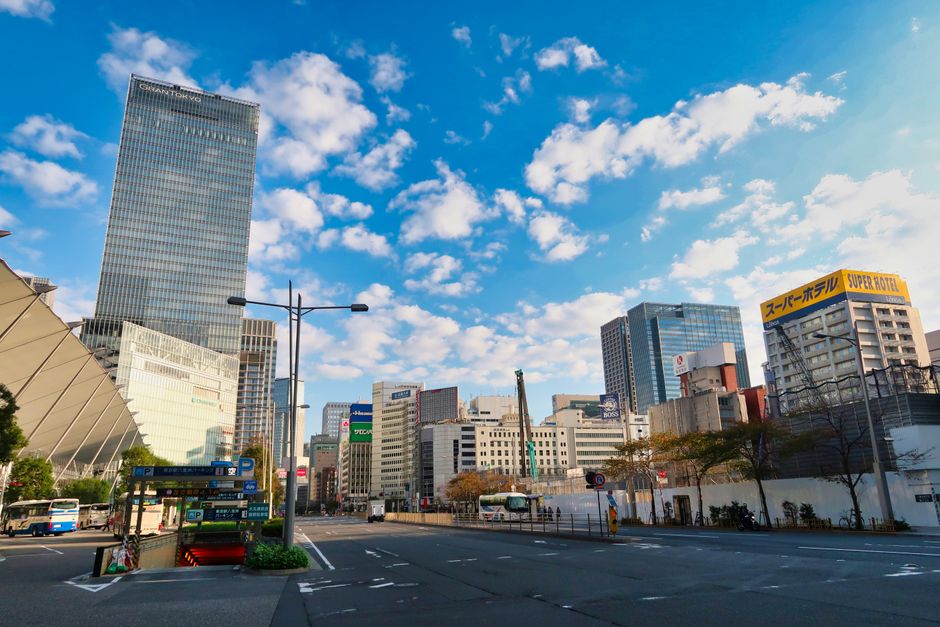
Premium office towers along Marunouchi's main drag have struggled to maintain rental momentum. Buildings that commanded ¥18,000 to ¥22,000 per tsubo ($550-$670 per square metre) three years ago are now offering concessions—free rent periods, reduced rates, or flexibility on lease terms—to retain occupants. Mid-tier properties in Shibuya and Shinjuku face even steeper pressure, with rents softening by 8-12 per cent year-on-year in some pockets.
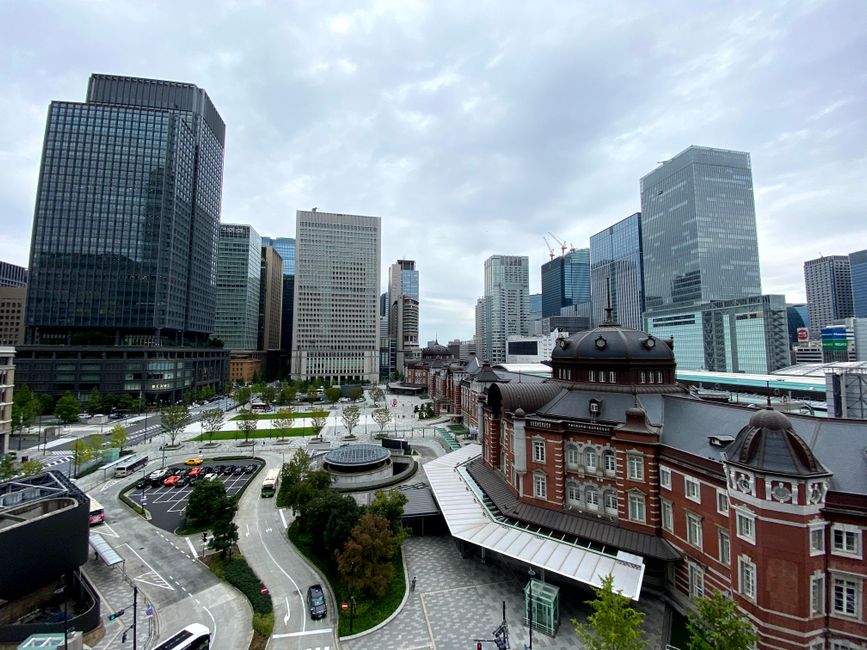
The culprit is multifaceted. Japan's persistently sluggish wage growth has constrained corporate expansion budgets. Simultaneously, the normalisation of hybrid work arrangements has fractured demand. Major financial institutions and tech firms—once anchor tenants commanding entire floors at properties near Tokyo Station—are consolidating footprints, choosing quality over quantity. Some have shifted satellite operations to secondary business hubs in Yokohama and Kawasaki, seeking cost relief.
Construction cost inflation adds another layer of complexity. Material expenses and labour shortages have made new development economically unviable for many projects, leaving existing stock—some of it aging and energy-inefficient—as the primary supply. Retrofit costs to meet stricter environmental standards are daunting landlords with older properties in Ginza and Nihonbashi.
Financing conditions have tightened further. Real estate investment trusts (REITs) focused on office assets have seen share prices decline, making capital-raising for acquisitions or renovations more challenging. Banks, meanwhile, are more cautious about refinancing loans secured against office collateral, particularly for secondary-grade assets.
Some bright spots persist. Buildings offering flexible, co-working arrangements and strong ESG credentials continue to attract interest. Properties with ground-floor retail components—particularly in mixed-use developments like those around Roppongi Hills and Midtown Tokyo—retain resilience. International firms, especially those establishing or expanding Asian headquarters, remain active, though they negotiate harder on terms.
The consensus among Tokyo's real estate community is bracing: the office market will likely remain subdued through 2026, with meaningful recovery contingent on corporate hiring acceleration and clearer direction on workplace normalisation across Japanese business culture.
This article was compiled by AI from the sources linked above and screened before publishing. See our editorial standards.
How does this story make you feel?
Spread the word
About this article
Published by The Daily Tokyo
Daily brief
Free, in your inbox before 7am. Weekdays.
More in Business