Tokyo Innovation Hub Real Estate: Shibuya Office Boom
Tokyo's new Global Innovation Hub in Shibuya and Minato-ku drives office leasing up 23%. Learn how early movers and AI startups are capitalizing on Tokyo's hottest commercial real estate zone.
Tokyo's new Global Innovation Hub in Shibuya and Minato-ku drives office leasing up 23%. Learn how early movers and AI startups are capitalizing on Tokyo's hottest commercial real estate zone.
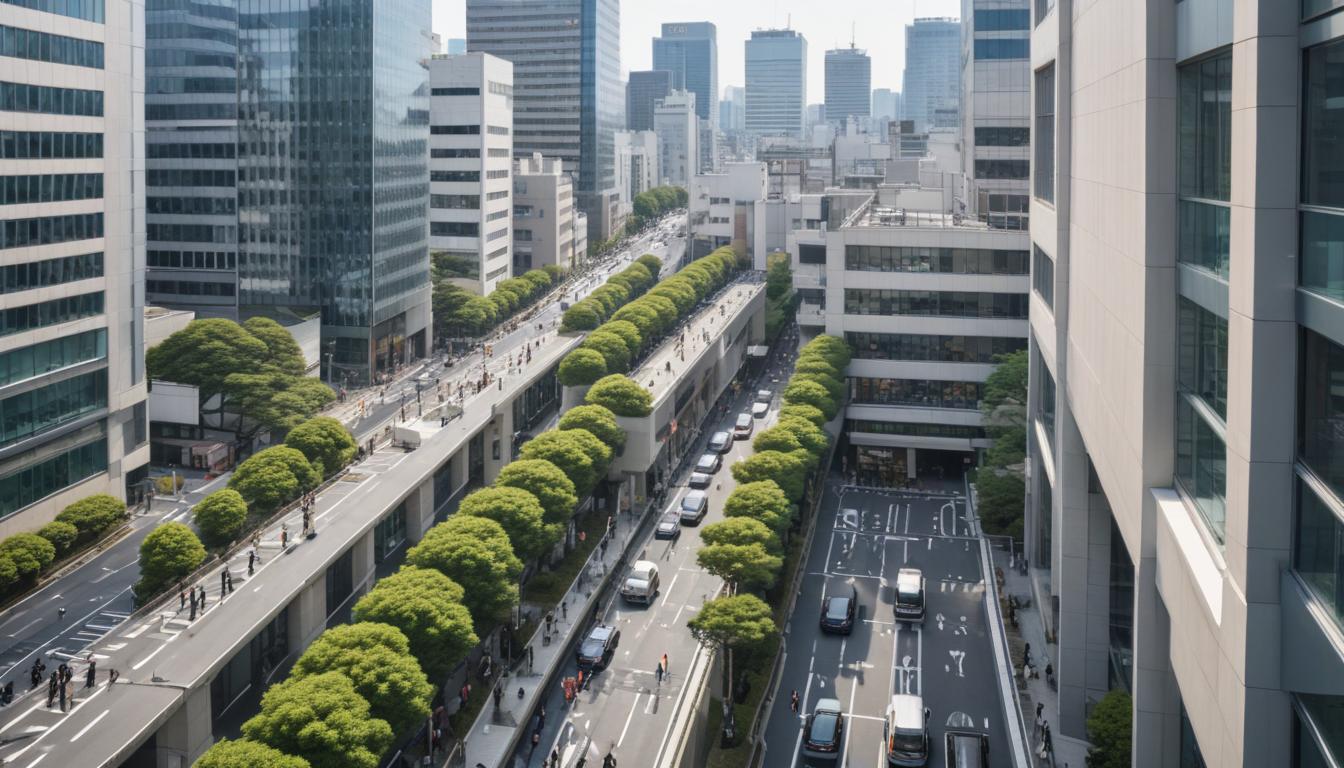
The 47-hectare innovation zone stretching across Shibuya and parts of Minato-ku has become Tokyo's hottest real estate play. Since the metropolitan government formally designated the "Global Innovation Hub" in March, commercial leasing rates in the Dogenzaka and Maruyamacho areas have jumped 23 percent, while office vacancy rates have plummeted to 2.1 percent—the lowest in three years.
The beneficiaries are already visible. Established deep-tech firms like Space Type Systems, which relocated its headquarters to a renovated building near Shibuya Station two years ago, now commands a valuation exceeding ¥15 billion. The company's AI-driven satellite data platform caught the attention of international venture capital firms who have collectively invested ¥2.8 billion in Tokyo-based space tech startups in 2026 alone—triple the 2024 figure.
"Early arrival mattered enormously," explains Yuki Nakamura, founder of an AI ethics consulting firm now operating from a newly converted office complex on Meiji-dori. "We secured a five-year lease at ¥8,500 per square metre before prices accelerated. Today, comparable spaces command ¥12,000."
The infrastructure momentum is undeniable. The Tokyo Innovation Gateway, a government-backed incubator opening this September near Roppongi Hills, will house 120 startups with subsidised rents starting at ¥3,000 per square metre for the first two years. Applications opened in April; by late May, over 900 companies had applied—a 340 percent increase versus the previous incubation programme.
But opportunity asymmetries are sharpening. Firms with Series A funding or existing government connections secured premium locations in Omotesando and around Roppongi Hills by April. Bootstrapped founders and international teams without established networks now face a two-tier market: either compete for discounted spaces in adjacent Ebisu and Daikanyama neighbourhoods, where rents remain 30-40 percent cheaper, or join the waiting list for the Innovation Gateway's September intake.
Venture capital activity reflects the shift. Domestic VC firms deployed ¥189 billion across Tokyo startups in the first half of 2026, with 31 percent concentrated in AI, robotics, and climate-tech clusters. Yet median Series A cheques remain smaller than Silicon Valley equivalents—typically ¥200-400 million versus USD 3-5 million in the US.
The real test arrives in autumn, when Innovation Gateway residents begin operations and the second wave of founders discovers whether late entry can still yield returns. For now, the early entrants are betting it can't.
This article was compiled by AI from the sources linked above and screened before publishing. See our editorial standards.
How does this story make you feel?
Spread the word
About this article
Published by The Daily Tokyo
Daily brief
Free, in your inbox before 7am. Weekdays.
More in Business


