Tokyo's Job Market Faces Perfect Storm of Headwinds as Mid-Year Reality Sets In
Wage stagnation, skill mismatches, and demographic pressures are testing employment stability across Japan's capital as 2026 unfolds.
Wage stagnation, skill mismatches, and demographic pressures are testing employment stability across Japan's capital as 2026 unfolds.
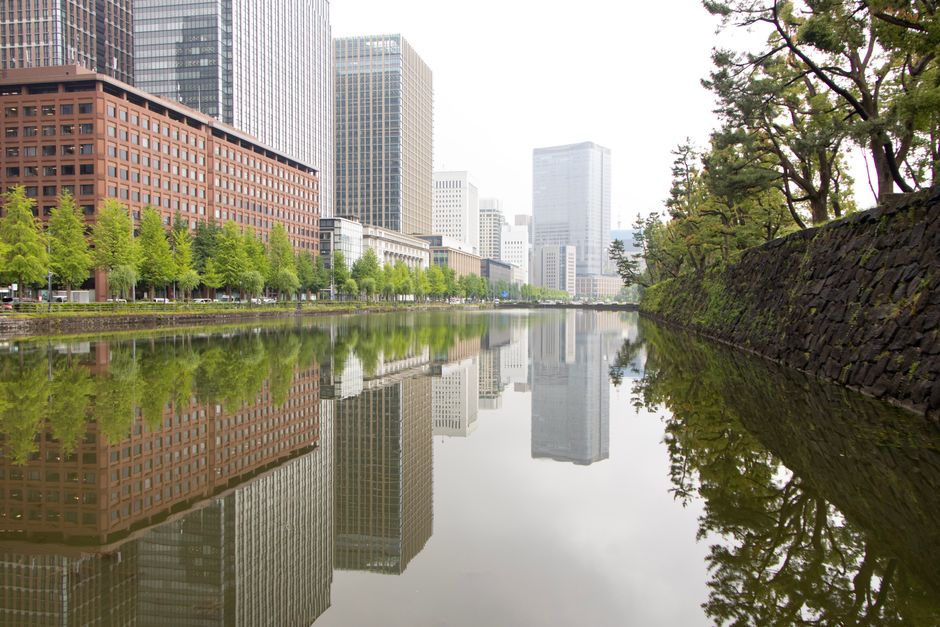
Tokyo's labour market, long considered a bellwether for Japan's economic health, is confronting a convergence of structural challenges that show no signs of abating as the year reaches its midpoint. Despite historically low unemployment figures hovering around 2.4%, business leaders and recruiters across the Marunouchi and Minato wards are reporting growing difficulties in both filling roles and retaining talent—a paradox reflecting deeper fractures in how work functions in the capital.
The most visible pressure comes from wage expectations that have begun outpacing company budgets. Entry-level positions in tech and finance, concentrated around Otemachi and the Roppongi Hills complex, are commanding 15-20% salary premiums compared to 2024 levels, yet companies remain reluctant to meet these demands. "We're seeing candidates reject offers that would have been competitive just eighteen months ago," said one executive recruiter based near Tokyo Station, who declined attribution due to client confidentiality agreements.
Compounding this wage squeeze is a persistent skills gap. Demand for artificial intelligence specialists, cloud infrastructure engineers, and English-fluent business development roles vastly outstrips supply. Meanwhile, traditional sectors—retail, hospitality, and administrative support clustered around Shinjuku and Shibuya—face the opposite problem: oversupply of workers and stagnant pay growth averaging just 1.1% annually according to recent labour ministry data.
Demographic headwinds are amplifying these tensions. Japan's working-age population continues its inexorable decline, shrinking by approximately 800,000 annually. In Tokyo, this has been partly offset by regional migration, yet the capital's ageing workforce means companies are increasingly managing mixed-generation teams with competing values and technological fluency. Hiring managers report retention becoming costlier, with training investments now routinely lost when younger workers pursue opportunities abroad or in emerging sectors.
Workplace flexibilisation, once seen as a recruitment panacea, has created new friction. Remote work policies vary wildly between conglomerates and smaller firms around Ginza and Nihonbashi, creating confusion and inconsistency that disadvantages job seekers without negotiating leverage.
Recruitment agencies operating from offices throughout the Chiyoda ward note that contract and temporary positions—which grew 8% year-on-year—are increasingly the entry point for stable work, a troubling inversion of historical norms. Meanwhile, companies report rising recruitment costs, with headhunter fees now absorbing 25-30% of first-year salary for senior roles.
As Tokyo heads toward the second half of 2026, the labour market's apparent strength masks genuine instability—one that may require urgent structural intervention rather than market-driven solutions alone.
This article was compiled by AI from the sources linked above and screened before publishing. See our editorial standards.
How does this story make you feel?
Spread the word
About this article
Published by The Daily Tokyo
Daily brief
Free, in your inbox before 7am. Weekdays.
More in Business