Global Turbulence Tests Tokyo's Job Market as Geopolitical Tensions Reshape Hiring
Middle East uncertainty and trade volatility are forcing Tokyo employers to reassess recruitment strategies, with tech and logistics sectors hit hardest.
Middle East uncertainty and trade volatility are forcing Tokyo employers to reassess recruitment strategies, with tech and logistics sectors hit hardest.
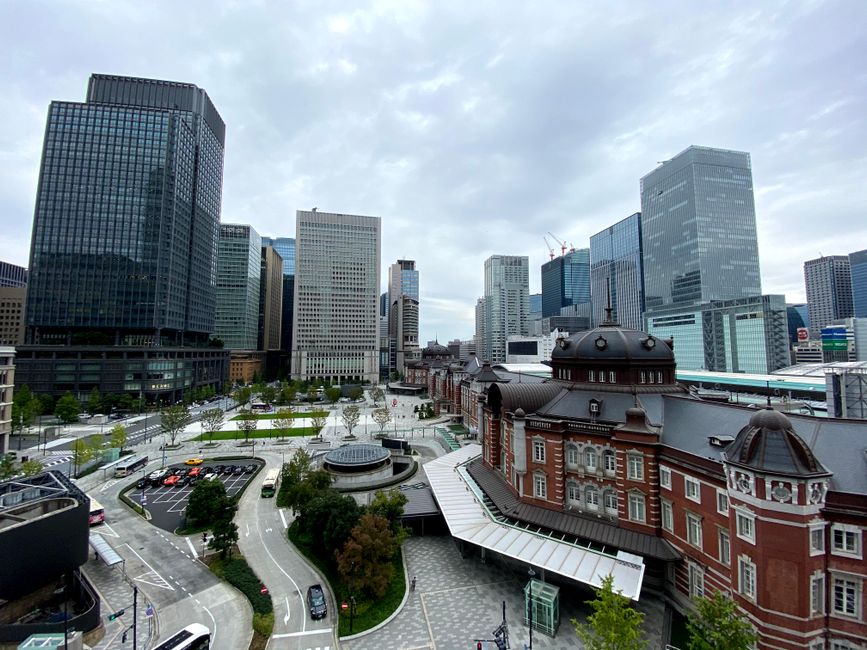
Tokyo's employment landscape is experiencing a subtle but unmistakable shift as geopolitical pressures ripple through Japan's largest business hub. Human resources professionals across Marunouchi, Shibuya, and Shinjuku report that global instability is directly influencing hiring decisions and salary negotiations—a divergence from the relatively stable domestic job market of recent years.
The latest employment data reveals that while Tokyo's overall jobless rate remains low at 2.1%, sectors dependent on Middle Eastern trade and global supply chains are tightening their belts. Information technology firms in the Roppongi Hills and Ark Hills complexes have postponed mid-level recruitment drives, with several major trading companies reporting delayed expansion plans. Manufacturing-linked positions in logistics and export management—historically robust in Tokyo—have seen a 12% decline in new postings since April.
"We're seeing companies adopt a wait-and-see posture," explains one senior recruiter at a major Tokyo-based staffing agency in Chiyoda. Supply chain uncertainty tied to broader international tensions has made businesses reluctant to commit to permanent hires. Instead, many firms are shifting toward contract-based and temporary arrangements, offering positions initially classified as three-month roles rather than full-time tracks.
The impact extends to salary expectations. Average starting salaries for mid-career professionals in import-export roles have plateaued at ¥4.2 million annually, unchanged from 2024, while comparable tech roles in finance continue climbing toward ¥5.5 million. This divergence reflects employer confidence gaps between digitally-native sectors and traditional trade-dependent industries.
International recruitment has also shifted noticeably. Companies typically hiring skilled foreigners through visa sponsorships now emphasize stability over aggressive expansion. Recruitment fairs held near Tokyo Station and in the Ginza business district have drawn fewer employer booths than anticipated, suggesting reduced overseas hiring appetite.
However, certain sectors remain resilient. Healthcare, domestic construction, and entertainment continue robust hiring, buffered from international volatility. The hospitality sector around Shibuya Crossing and Shinjuku Station remains recruitment-heavy, with tourism-related businesses still aggressively filling positions.
For job seekers, the message is mixed. Tokyo's fundamentally strong economy means unemployment remains manageable, but workers in internationally-exposed industries face longer job searches and tighter negotiating positions. The dual-speed job market—thriving domestic sectors versus cautious export-dependent ones—suggests Tokyo's near-term employment gains may concentrate in sectors insulated from global shocks.
This article was compiled by AI from the sources linked above and screened before publishing. See our editorial standards.
How does this story make you feel?
Spread the word
About this article
Published by The Daily Tokyo
Daily brief
Free, in your inbox before 7am. Weekdays.
More in Business


