Tokyo's Office Boom Is Reshaping Your Neighborhood—Here's What You Need to Know
As commercial property transforms central wards, residents face rising rents, crowded stations, and changing streetscapes—but also new opportunities.
As commercial property transforms central wards, residents face rising rents, crowded stations, and changing streetscapes—but also new opportunities.
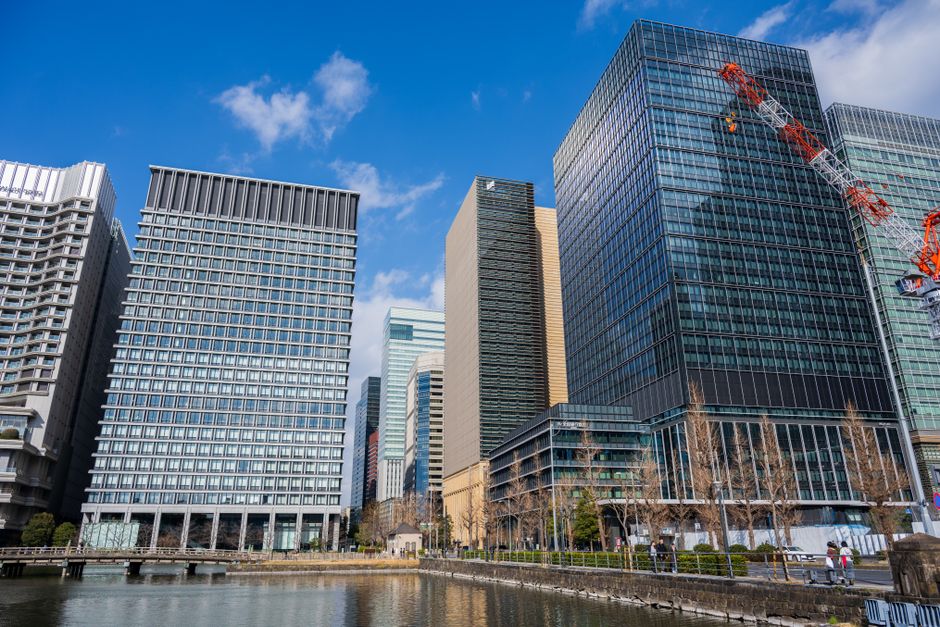
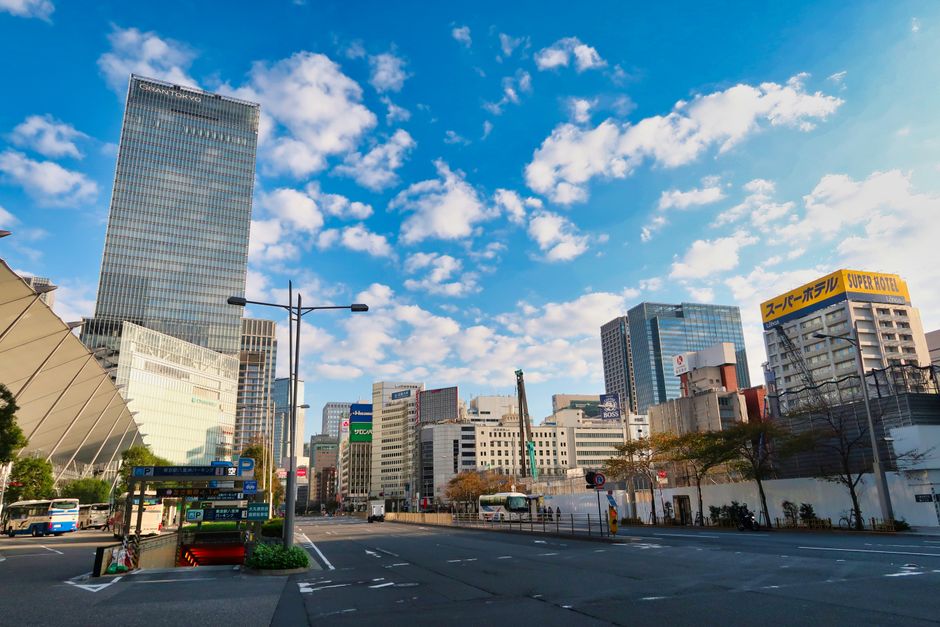
Walk through Marunouchi or Minato-ku these days, and you'll notice something unmistakable: gleaming office towers are rising faster than ever. The commercial property market in Tokyo is experiencing a significant shift, and while headlines focus on corporate deals and investor returns, everyday residents should understand how these changes directly affect their wallets, commutes, and neighbourhoods.
The numbers tell a striking story. Prime office space in central Tokyo now commands ¥15,000 to ¥25,000 per tsubo annually—roughly triple the rates in peripheral wards. Major developments like those clustered around Shinagawa Station and the ongoing redevelopment of the Toranomon area have pulled significant capital and employment into these zones. For residents, this means competition for housing and retail space has intensified dramatically. Apartment rents in Minato-ku have climbed roughly 8-12% over the past two years, outpacing wage growth for many workers.
The rush to convert or renovate aging buildings into modern office complexes carries hidden consequences. Traditional shopping streets in Chiyoda and Shibuya have seen landlords demand higher rents, forcing long-established family businesses and small retailers to relocate or close. Meanwhile, the influx of office workers—and the demand from international corporations—has driven up prices at cafes, lunch spots, and convenience stores throughout central wards.
But it's not entirely negative. New office developments often include public plazas, improved pedestrian infrastructure, and expanded train capacity. The redevelopment around Tokyo Station and Otemachi has created accessible gathering spaces that benefit broader communities, not just office tenants. Some residents have found better employment opportunities as companies establish new regional headquarters in previously quiet neighbourhoods.
The real concern for many is affordability and displacement. If you're renting in Shibuya, Shinjuku, or central Minato, the pressure on landlords to maximize returns means your lease renewal could bring a shock. Conversely, residents in outer wards like Setagaya or Nakano may see slower rent increases but face longer commutes if jobs concentrate downtown.
The key takeaway: Tokyo's commercial property transformation is neither pure benefit nor pure harm. It's reshaping the city's economic geography in ways that favour some residents while squeezing others. Understanding these trends—and where investment is flowing—can help you make smarter decisions about where to live, work, and spend money. Pay attention to development announcements in your ward. They're not just corporate news; they're signals about your neighbourhood's future.
This article was compiled by AI from the sources linked above and screened before publishing. See our editorial standards.
How does this story make you feel?
Spread the word
About this article
Published by The Daily Tokyo
Daily brief
Free, in your inbox before 7am. Weekdays.
More in Business