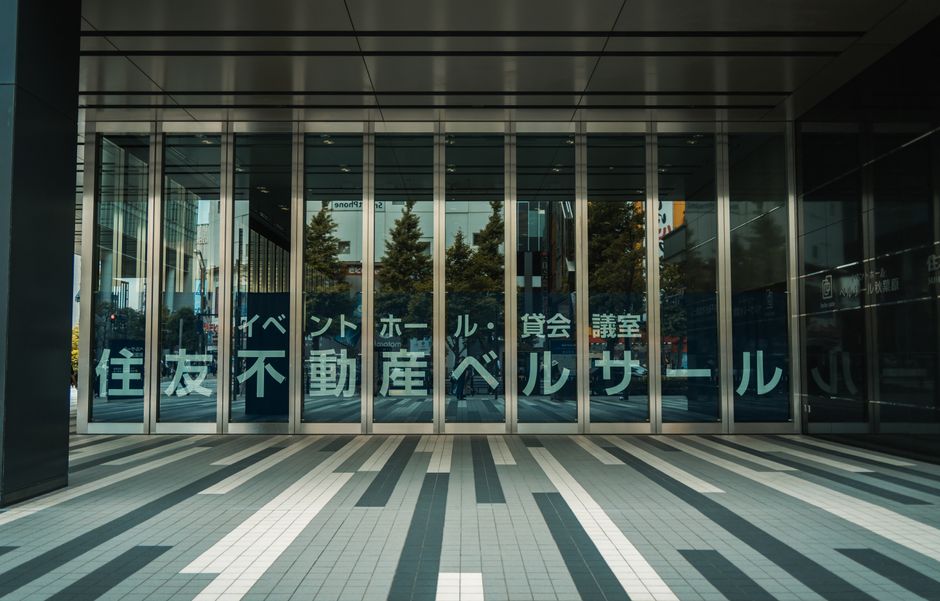
Tokyo's commercial property landscape is undergoing a profound shift, and the ripple effects are redefining how businesses attract and retain talent across the capital. Over the past eighteen months, office vacancy rates in prime districts have climbed to levels unseen since the early 2010s, forcing a recalibration of hiring strategies and workplace culture among the city's major employers.
The transformation is particularly visible in Minato ward, where premium office space in the Roppongi and Akasaka corridors—traditionally commanding ¥15,000 to ¥18,000 per square metre annually—has seen rates dip toward ¥12,000 to ¥14,000 for mid-tier properties. Simultaneously, several major financial services firms have consolidated operations, abandoning satellite offices in secondary locations across Chiyoda and moving core teams into fewer, strategically chosen hubs. This consolidation has created an unexpected talent vacuum in outer business districts while intensifying competition for skilled workers in central zones.
The shift is forcing companies to rethink compensation and flexibility. With physical office footprint no longer a hiring draw, organisations from fintech startups in Shibuya to established trading houses in Nihonbashi are competing on remote work policies, professional development, and lifestyle benefits. Recruitment specialists report that candidates increasingly evaluate companies not by headquarters prestige but by genuine hybrid arrangements and career development pathways. The talent market has become more mobile, less anchored to specific addresses.
Some sectors are adapting more nimbly than others. Tech companies and creative agencies have leaned into distributed teams, with several relocating support functions to lower-cost suburban hubs like Kawagoe and Yokohama. Traditional sectors—banking, law, consulting—remain tethered to central Tokyo presence, though many are experimenting with hotdesking and activity-based working to reduce per-employee space allocation from 12-15 square metres to 8-10 square metres.
Real estate agencies tracking the market note a bifurcated demand pattern: prime addresses command stable rents, while secondary and tertiary properties face structural headwinds. For Tokyo's labour market, this creates opportunity. Emerging talent pools in suburban prefectures, previously locked out by commute-time barriers, now find genuine employment accessibility. Conversely, young professionals in central wards increasingly tolerate longer commutes for superior workplace flexibility.
As the second half of 2026 unfolds, Tokyo's job market is becoming measurably less geographically constrained. Talent wars are won not through office location alone, but through reimagined work culture—a transition that may ultimately make Tokyo's employment ecosystem more resilient and inclusive.
This article was compiled by AI from the sources linked above and screened before publishing. See our editorial standards.