Tokyo's Small Business Boom: Reading the Economic Tea Leaves Behind Shibuya's Revival
As investment flows surge into the capital's entrepreneurial districts, local business owners learn to decode the signals reshaping their market landscape.
As investment flows surge into the capital's entrepreneurial districts, local business owners learn to decode the signals reshaping their market landscape.
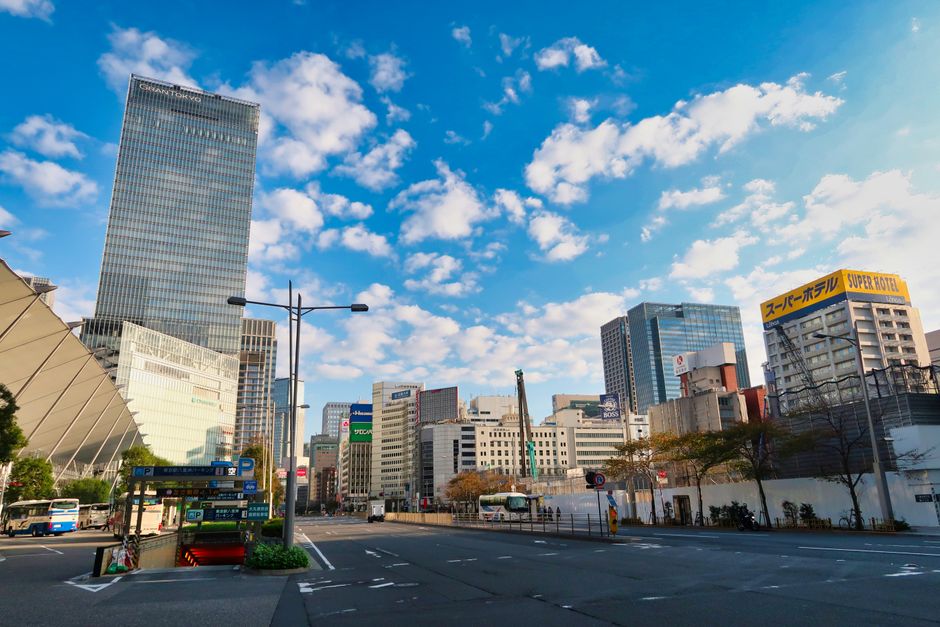
Walk along Meiji-dori in Shibuya these days and you'll spot a telling pattern: storefronts that sat empty eighteen months ago now bustle with activity. This isn't coincidence. It reflects a measurable shift in Japan's investment climate that entrepreneurs across Tokyo are learning to navigate.
The Bank of Japan's latest quarterly survey shows commercial real estate investment in central Tokyo climbing 12% year-on-year, with particular strength in mixed-use districts like Harajuku and Aoyama. For small business owners, understanding what drives these flows matters enormously. When institutional money moves, rents follow—and so do customer patterns.
"Economic indicators are basically a business owner's weather forecast," explains the framework many Tokyo entrepreneurs now adopt. The yen's recent stabilisation around 145 to the dollar has made imported inventory costs more predictable, a relief for retailers stocking everything from craft coffee equipment to fashion basics. Meanwhile, domestic consumption data—measuring what everyday customers actually spend—guides stock decisions and staffing levels.
Consider a small ramen shop owner in Yurakucho. When the Tokyo Metropolitan Government's consumer confidence index ticked up 3.2 points last quarter, it signalled wallets opening slightly. That entrepreneur might add evening staff, knowing foot traffic typically follows sentiment shifts by four to six weeks. It's not guesswork; it's pattern recognition grounded in accessible data.
Investment flows tell an equally important story. The sustained interest from venture capital firms in Roppongi's tech corridor—venture funding reached ¥87 billion across the first half of 2026—creates a secondary effect: these companies hire contractors, rent office space, and eat lunch locally. A beverage vendor near Roppongi Hills watches startup density and adjusts inventory accordingly.
What makes today's environment different is transparency. Unlike previous decades, detailed economic dashboards are freely available. The Tokyo Chamber of Commerce publishes monthly business indicators. The Japan Small Business Finance Corporation tracks lending patterns. A proprietor in Ginza checking these figures can see whether their sector is attracting capital or losing it.
The practical lesson: small business success increasingly depends on reading broader market signals. A cosmetics shop owner in Shimokitazawa observing that beauty sector investment upticked 8% last quarter—thanks to international tourist recovery—might expand product lines targeting visitors. A bookstore owner noticing flat domestic publishing investment might pivot toward events and community engagement.
In Tokyo's intricate business ecosystem, the entrepreneurs thriving in 2026 aren't just reacting to change—they're anticipating it, one economic indicator at a time.
This article was compiled by AI from the sources linked above and screened before publishing. See our editorial standards.
How does this story make you feel?
Spread the word
About this article
Published by The Daily Tokyo
Daily brief
Free, in your inbox before 7am. Weekdays.
More in Business


