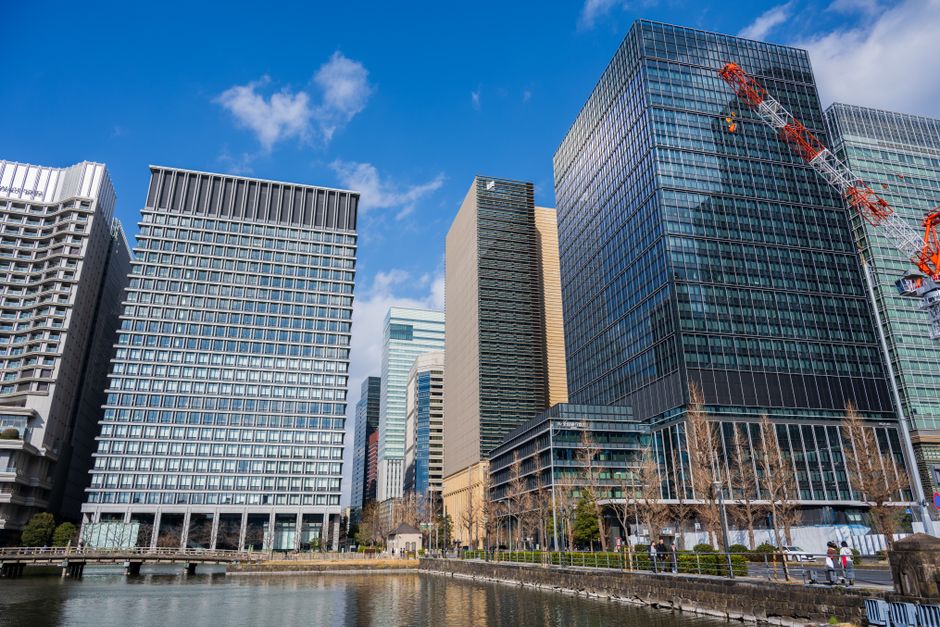
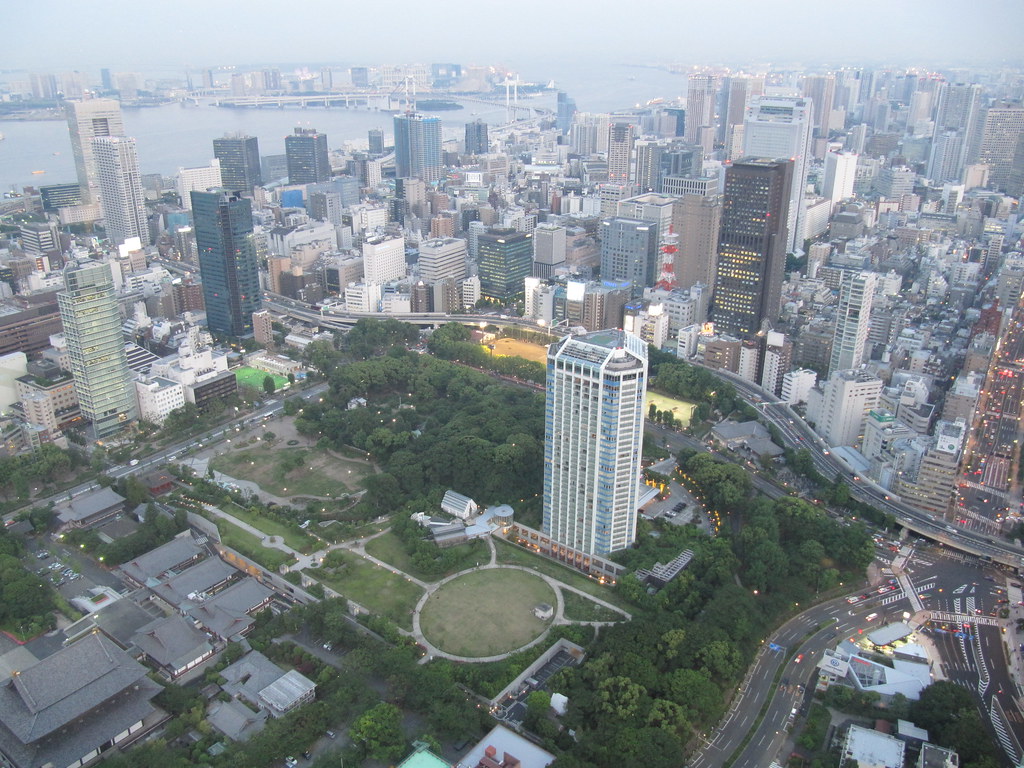
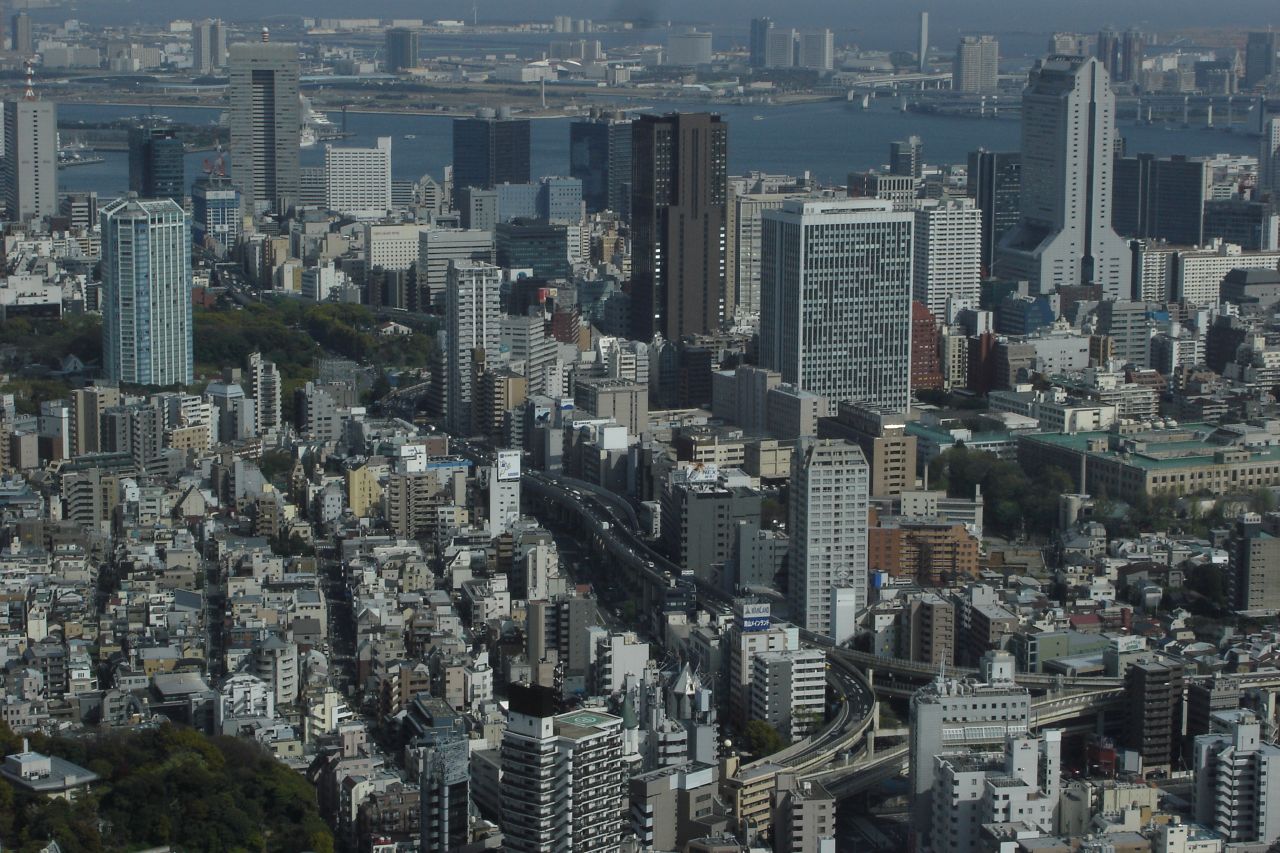
Walk through Marunouchi or Shibuya these days, and you'll encounter a palpable anxiety beneath the usual bustle. Tokyo's famously resilient job market is beginning to show strain from forces far beyond Japan's borders, with employment agencies reporting a marked slowdown in hiring for the first time in three years.
The numbers tell an unsettling story. According to the Japan External Trade Organization, recruitment across Tokyo's financial and logistics sectors has contracted 12% compared to the same period last year. For a city that added 45,000 jobs in 2025, this represents a meaningful reversal.
The culprits are global. Supply chain disruptions stemming from Middle East tensions have forced companies headquartered in the Otemachi financial district to reconsider expansion timelines. Meanwhile, unpredictable trade policies are pushing multinational corporations to freeze positions they'd previously committed to filling. Several major trading houses have quietly postponed their summer hiring cycles, according to recruitment specialists operating from Roppongi's corporate tower cluster.
"We're seeing clients who were planning to hire 200 people scale back to 50," explains one senior recruiter based in Nihonbashi, speaking on condition of anonymity due to client confidentiality. "The uncertainty factor is crushing confidence."
The pain is unevenly distributed. Foreign exchange volatility has particularly hammered export-dependent manufacturers and logistics companies that recruit heavily from Odaiba's industrial zones. Conversely, Tokyo's tech sector around Aoyama and Minato remains relatively resilient, with software and AI-related positions still commanding strong salaries—though even these are seeing slower hiring velocity than six months ago.
Salary expectations are shifting too. Entry-level positions in international trade, which typically offered ¥3.2-3.8 million annually, are now settling closer to ¥2.9 million. Mid-career professionals in supply chain management report longer job searches and more competitive interview processes.
For job seekers, the moment demands strategic thinking. Those with skills in crisis management, supply chain optimization, or emerging market expertise are finding themselves in elevated demand. Language capabilities—particularly Mandarin and Korean alongside English—remain premium assets in Tokyo's increasingly fluid labor market.
The consensus among labor economists is cautious. Most expect the slowdown to persist through autumn, with potential acceleration if geopolitical tensions escalate further. For Tokyo—a city whose economic dynamism depends on global stability—that prospect is deeply unsettling.
This article was compiled by AI from the sources linked above and screened before publishing. See our editorial standards.