Tokyo's Economic Signals: How Global Investment Flows Shape Your Cost of Living
Understanding the invisible forces that move capital into Japan's capital—and what it means for your wallet.
Understanding the invisible forces that move capital into Japan's capital—and what it means for your wallet.
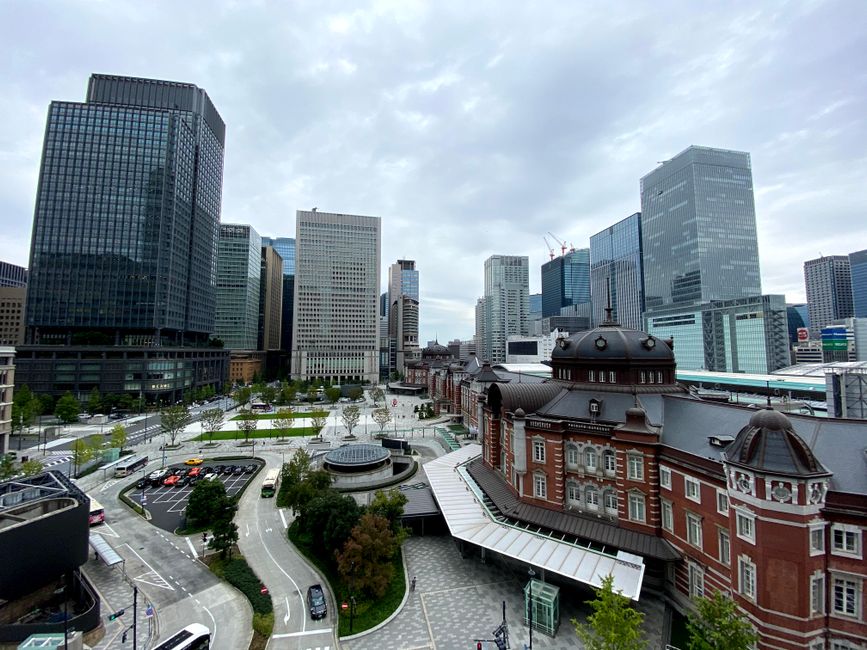
Walk through Marunouchi's gleaming financial district on any weekday morning, and you'll witness billions of yen flowing through trading floors. Yet most Tokyo residents remain unclear about how these investment currents directly affect their daily expenses—from ramen prices in Shinjuku to apartment rents in Shibuya.
The relationship between foreign direct investment (FDI) and domestic cost of living operates through surprisingly straightforward mechanisms. When international investors inject capital into Japanese equities and real estate, the yen typically strengthens. This makes imports cheaper: a barrel of crude oil priced in dollars becomes less expensive in yen terms, eventually lowering petrol prices at stations across the city. Conversely, when investment flows reverse—as happened in March when geopolitical tensions reduced risk appetite—the yen weakened, pushing import-dependent prices upward.
Japan's investment climate hinges on three critical indicators tracked obsessively by portfolio managers overseeing trillions of yen. First: the Bank of Japan's policy rate, currently held steady while global central banks shift positions. Second: the yield differential between Japanese government bonds and US Treasuries, which determines whether investors allocate capital toward Tokyo or overseas markets. Third: corporate earnings growth, particularly among the technology and manufacturing firms headquartered in Minato Ward's Roppongi Hills.
Current data reveals telling patterns. The Nikkei 225 index has climbed 18 percent year-to-date, attracting record pension fund allocations. Yet this strength masks underlying pressures on household budgets. Average Tokyo apartment rents in central wards have climbed 7 percent annually, reflecting investor appetite for residential property near stations like Iidabashi and Yotsuya. Simultaneously, imported food costs rose 5.2 percent in the first half of 2026, offsetting gains from stronger manufacturing exports.
The disconnect matters practically. A salaryman earning 4.2 million yen annually sees his purchasing power compressed even as the broader economy signals strength. Real estate developers operating around Kasumigaseki and Chiyoda are flush with capital, bidding aggressively for development sites. Yet small retailers on the backstreets of Asakusa struggle with rising operating costs.
Understanding these flows explains Tokyo's dual economy: booming for multinational corporations and institutional investors, tighter for ordinary residents. The summer months typically bring portfolio rebalancing as foreign funds adjust positions ahead of fiscal year-ends globally. Watch for signals from Nagatacho's policy makers and New York's Federal Reserve closely. Tokyo's next cost-of-living shock may originate in boardrooms thousands of kilometers away.
This article was compiled by AI from the sources linked above and screened before publishing. See our editorial standards.
How does this story make you feel?
Spread the word
About this article
Published by The Daily Tokyo
Daily brief
Free, in your inbox before 7am. Weekdays.
More in Business