The past six months have been extraordinarily profitable for Japan's middle-market trading and logistics firms—and the momentum shows no sign of slowing. As geopolitical risks mount across the Strait of Hormuz, the Afghanistan-Pakistan border region, and parts of the Caucasus, international manufacturers are urgently reconfiguring their supply chains, and Tokyo's Nihonbashi district has become command central for this seismic shift.
Marubeni Corporation and Sumitomo Corporation, the city's two largest trading houses, report a combined 23% surge in regional diversification consultancy requests since January. But the real winners are smaller, nimbler firms operating from office parks along Eitai-dori and in the Otemachi financial hub. These companies specialise in routing semiconductors, automotive components, and pharmaceutical ingredients through alternative corridors via Southeast Asia, South Korea, and Japan itself.
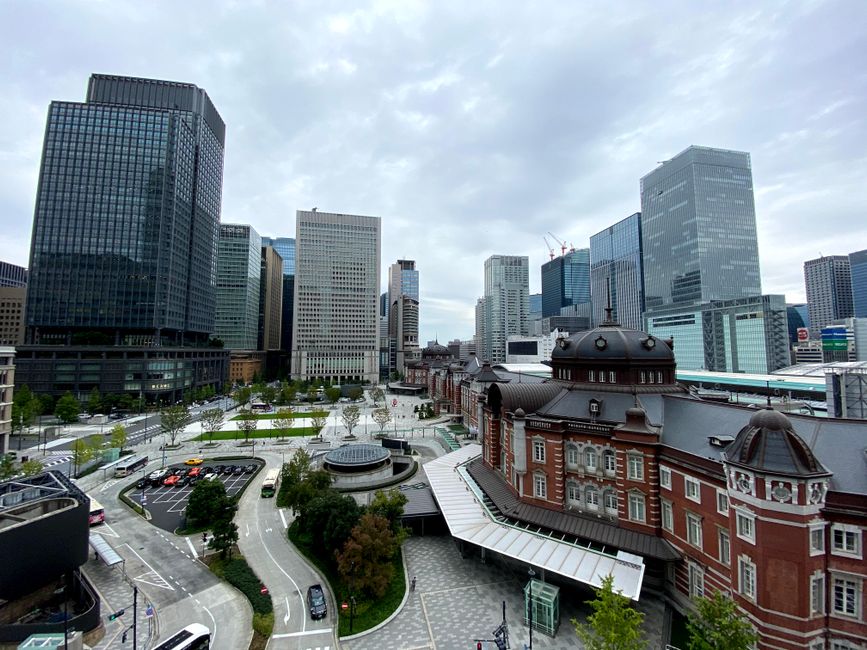
"We've tripled our staff in the last eight months," says one logistics manager at a mid-sized firm based near Tokyo Station, speaking on condition of anonymity. "Every week, we're fielding calls from European and American companies asking: can you get this through Japan instead of the Persian Gulf? Can you warehouse this in Kobe rather than Dubai?"
The numbers are striking. Container throughput at Tokyo's Port of Tokyo has jumped 18% year-on-year, with particular gains in chemical and semiconductor transshipment. Warehouse vacancy rates in Chiba Prefecture, traditionally Japan's logistics hub, have tightened to 2.8%—the lowest in a decade. Premium logistics space in Ichikawa now commands ¥6,500 per square metre monthly, up from ¥5,100 a year ago.
Japanese customs brokers report processing times have stretched to four weeks, overwhelmed by rerouting applications. The Japan External Trade Organisation (JETRO) has opened three additional advisory desks at its Marunouchi office to handle inquiries from foreign firms exploring Japan-centric supply chains.
The arbitrage opportunity extends beyond logistics. Trading companies with existing relationships in Vietnam, Thailand, and Indonesia are leveraging those networks to offer clients "safe corridor" procurement services, purchasing raw materials and components through stable Southeast Asian nodes rather than volatile regions. Margin expansion has been substantial.
What distinguishes this moment from previous supply chain disruptions is its apparent durability. Unlike temporary port strikes or weather events, geopolitical reconfiguration typically locks in for years once embedded. Tokyo's business establishment is betting that this window of opportunity—and elevated margins—will remain open well into 2027 and beyond.
This article was compiled by AI from the sources linked above and screened before publishing. See our editorial standards.