Why Tokyo's Ramen Shop Revolution Matters to Your Wallet and Neighbourhood
As independent ramen vendors expand across Shinjuku and Shibuya, residents and diners need to understand how this shift is reshaping local economics and food culture.
As independent ramen vendors expand across Shinjuku and Shibuya, residents and diners need to understand how this shift is reshaping local economics and food culture.
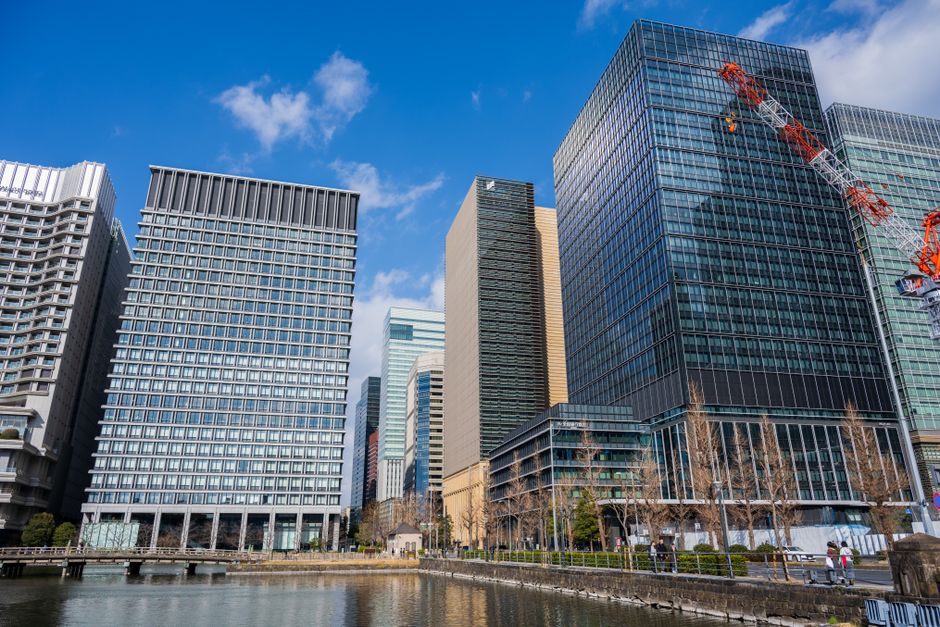
Walk down the narrow alleys of Memory Lane (Omoide Yokocho) in Shinjuku these days, and you'll notice something striking: independent ramen shops are thriving while larger chain operators are consolidating. For Tokyo residents accustomed to predictable pricing and standardised menus, this shift carries real implications for both your dining choices and neighbourhood character.
The numbers tell a revealing story. According to data from the Japan Ramen Association, independent ramen vendors now account for approximately 62% of Tokyo's ramen market—up from 48% just four years ago. A typical bowl at an independent shop in Shibuya or Harajuku now costs between ¥950 and ¥1,200, compared to chain averages of ¥780. Yet consumers increasingly accept this premium, willing to pay for regional specialities and locally-sourced broths that mass-produced competitors cannot replicate.
What does this mean for everyday residents? First, neighbourhood character is being reclaimed. In areas like Chiyoda ward, micro-entrepreneurs are replacing shuttered storefronts with single-counter establishments that draw foot traffic and foster community identity. A survey by the Tokyo Chamber of Commerce found that neighbourhoods with higher concentrations of independent food vendors report 23% greater residential satisfaction than areas dominated by chain stores.
Second, your wallet requires strategic navigation. Independent shops compete fiercely on quality rather than volume—expect longer waits during peak hours (typically 11:30am-1:30pm and 6pm-8pm) and less flexibility with payment methods, as many still operate cash-only. However, loyalty programmes and seasonal specials offer genuine savings; regular customers at established shops in Minato ward report effective discounts of 10-15% through punch cards and family deals.
Third, supply chain vulnerabilities have become visible. Rising ingredient costs—particularly premium pork for tonkotsu broths—have forced many small operators to adjust portions or recipe components. Residents should expect menu evolution rather than stagnation, with many shops introducing seasonal vegetables or sustainable sourcing practices.
The broader lesson: Tokyo's food economy is decentralising. Rather than top-down standardisation, neighbourhood-specific culinary traditions are reasserting themselves. For consumers, this demands slightly more research and flexibility, but rewards discovery and supports the local economic ecosystem that defines Tokyo's unique character.
Understanding these dynamics helps residents make informed choices that simultaneously satisfy personal preferences and strengthen community resilience.
This article was compiled by AI from the sources linked above and screened before publishing. See our editorial standards.
How does this story make you feel?
Spread the word
About this article
Published by The Daily Tokyo
Daily brief
Free, in your inbox before 7am. Weekdays.
More in Business


