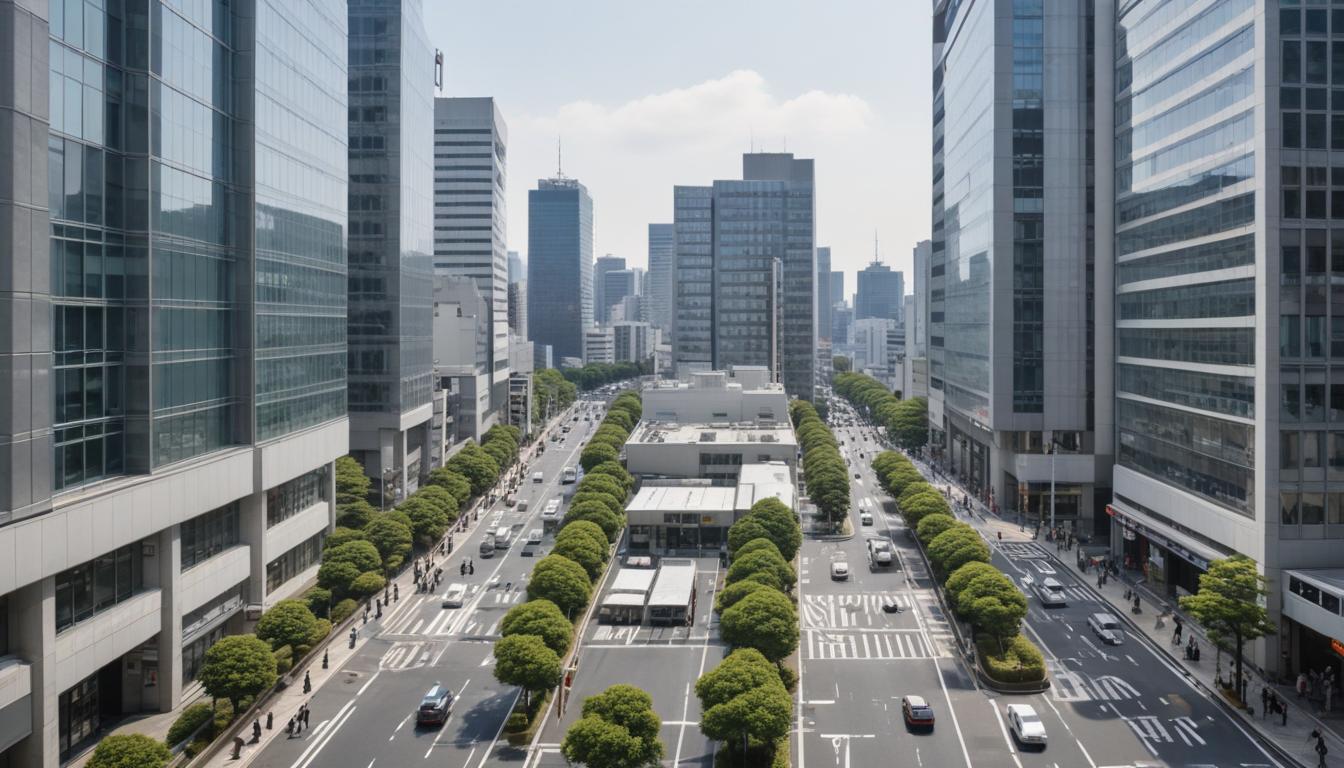
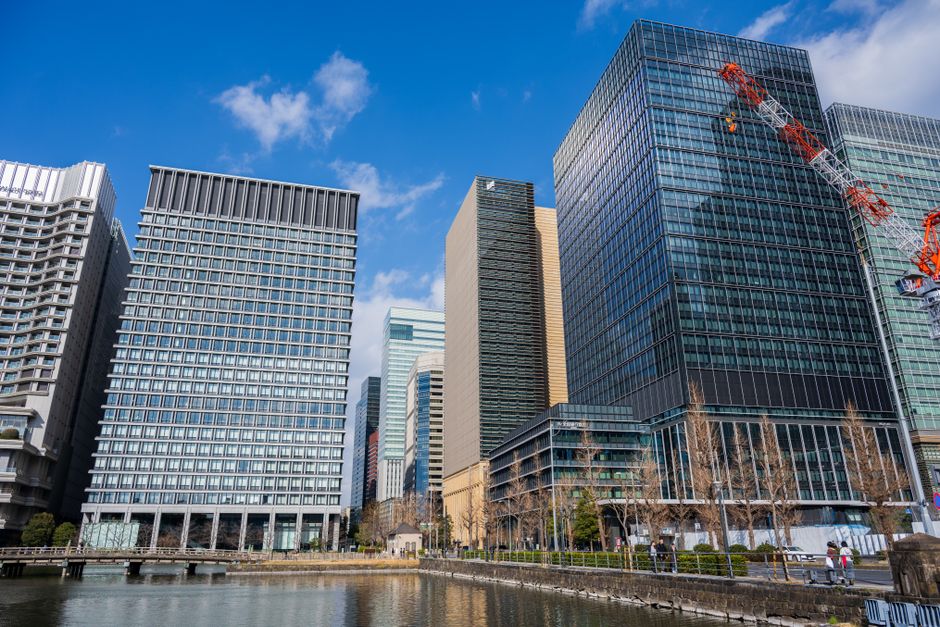
Walk through the gleaming lobbies of Marunouchi's financial district these days and you'll notice something: the hiring velocity has shifted. International uncertainty—from Middle Eastern tensions threatening shipping lanes to political upheaval across multiple continents—is forcing Tokyo's major corporations and mid-sized firms to recalibrate their employment strategies in real time.
The impact is tangible. According to recruitment data from major Tokyo employment agencies, foreign direct investment job postings have declined 12% in the first half of 2026 compared to the same period last year, particularly in finance and logistics sectors centred around the Nihonbashi area. For Tokyo's economy, which depends heavily on multinational operations and international trade, this represents meaningful friction.
"Companies are adopting a wait-and-see posture," explains the employment landscape in Tokyo's Shibuya ward, where tech startups and venture-backed firms typically lead hiring trends. What was previously aggressive international expansion planning has shifted toward domestic consolidation. Several mid-tier firms operating out of Roppongi's business complexes have frozen overseas recruitment, instead promoting remote-work arrangements and deepening domestic talent pipelines.
The salary environment reflects this caution. While entry-level positions in central wards like Chiyoda remain competitive—averaging ¥3.8 million annually for university graduates—mid-career foreign worker salaries have stagnated. Companies like those headquartered near Tokyo Station are increasingly reluctant to sponsor visas, making it harder for international talent to secure positions.
Manufacturing-adjacent sectors show different pressures. Supply chain disruptions are forcing companies in the Koto ward's logistics and industrial hubs to hire more aggressively in warehouse and operations roles, even as white-collar hiring freezes persist. This creates a bifurcated labour market where certain skill sets remain in high demand while others face unexpected headwinds.
Young Tokyo professionals are adapting accordingly. Career counsellors at education centres throughout Minato report increased interest in domestic-focused roles, language training for regional markets, and skills that don't depend on international mobility. The appetite for positions requiring frequent overseas travel has notably declined.
What happens in Tehran, Caracas, or Eastern Europe no longer feels distant to Tokyo's salaried workers and entrepreneurs. The global context—whether geopolitical instability or economic hesitation from major trading partners—now directly determines how many entry-level positions open in Shinjuku's corporate parks and whether mid-career professionals can negotiate relocation packages. For a city built on international commerce, the message is clear: Tokyo's jobs are only as secure as global stability allows.
This article was compiled by AI from the sources linked above and screened before publishing. See our editorial standards.