Tokyo's Shifting Office Market Reshapes Local Job and Talent Landscape
A surge in demand for flexible workspaces is altering the capital's employment landscape, with far-reaching implications for workers and businesses alike.
A surge in demand for flexible workspaces is altering the capital's employment landscape, with far-reaching implications for workers and businesses alike.
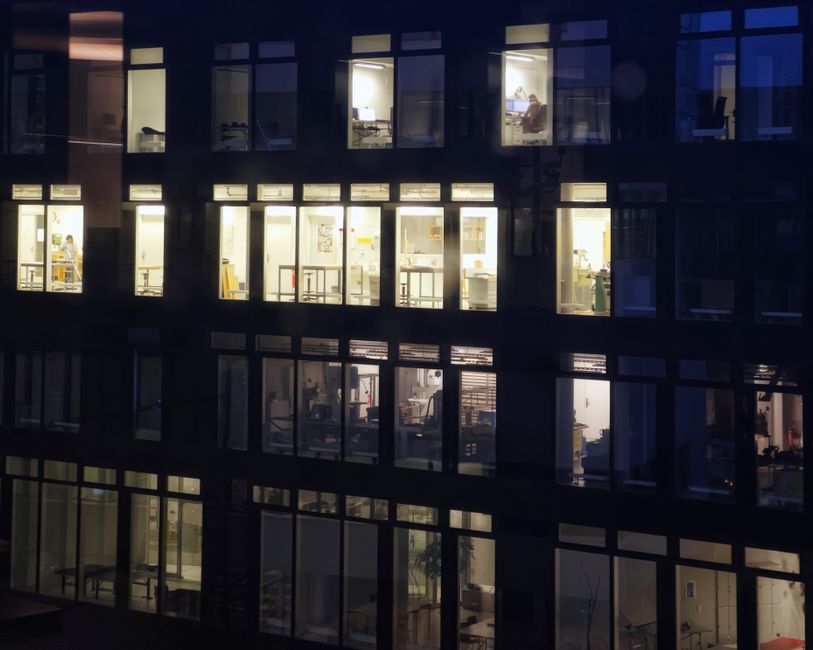
Tokyo's commercial property market is experiencing a significant shift, with a growing demand for flexible and shared office spaces. This trend is having a profound impact on the local job market, as companies increasingly prioritize agility and adaptability in their hiring practices.
The current market conditions make this trend particularly relevant, as Tokyo's business scene continues to evolve in response to global economic pressures and technological advancements. With many multinational corporations maintaining a presence in the city, the demand for skilled workers with expertise in fields like technology, finance, and marketing remains high. However, the way these companies operate and hire is changing, with a greater emphasis on remote work, freelancing, and collaborative workspaces.
In areas like Shibuya, Roppongi, and Marunouchi, a proliferation of coworking spaces and serviced offices is transforming the local employment landscape. Organisations like WeWork, which has a significant presence in Tokyo, and local players like DMM Make and Tokyo Office Factory, are catering to the growing demand for flexible work arrangements. The impact is being felt in popular neighborhoods like Omotesando, where startups and small businesses are taking advantage of short-term leases and shared facilities to launch and grow their operations.
According to a recent report by Jones Lang LaSalle, the average rent for office space in Tokyo's central business district has increased by 12% over the past year, reaching ¥43,800 per square meter. Meanwhile, the vacancy rate for office space has fallen to 2.5%, indicating a highly competitive market. These conditions are driving companies to explore alternative arrangements, such as coworking spaces, which can offer greater flexibility and cost savings. For example, a desk in a shared office space in the Shibuya area can cost around ¥50,000 per month, compared to ¥200,000 per month for a traditional office lease.
As the market continues to evolve, workers and businesses in Tokyo must adapt to the changing landscape. With the rise of flexible work arrangements, employees are increasingly expected to be self-motivated, disciplined, and able to work independently. Companies, on the other hand, must prioritize agility and innovation, leveraging the latest technologies and collaborative tools to stay ahead of the competition. As the city's office market continues to shift, one thing is clear: the traditional 9-to-5 model is no longer the only option, and workers and businesses must be prepared to thrive in a more dynamic and flexible environment.
How does this story make you feel?
Spread the word
About this article
Published by The Daily Tokyo
Daily brief
Free, in your inbox before 7am. Weekdays.
More in Business