community
A respectful Asakusa visit begins with the official Tokyo neighbourhood guide
A respectful Asakusa visit begins with the official Tokyo neighbourhood guide.
Listen in English · 4 min
How we reported this
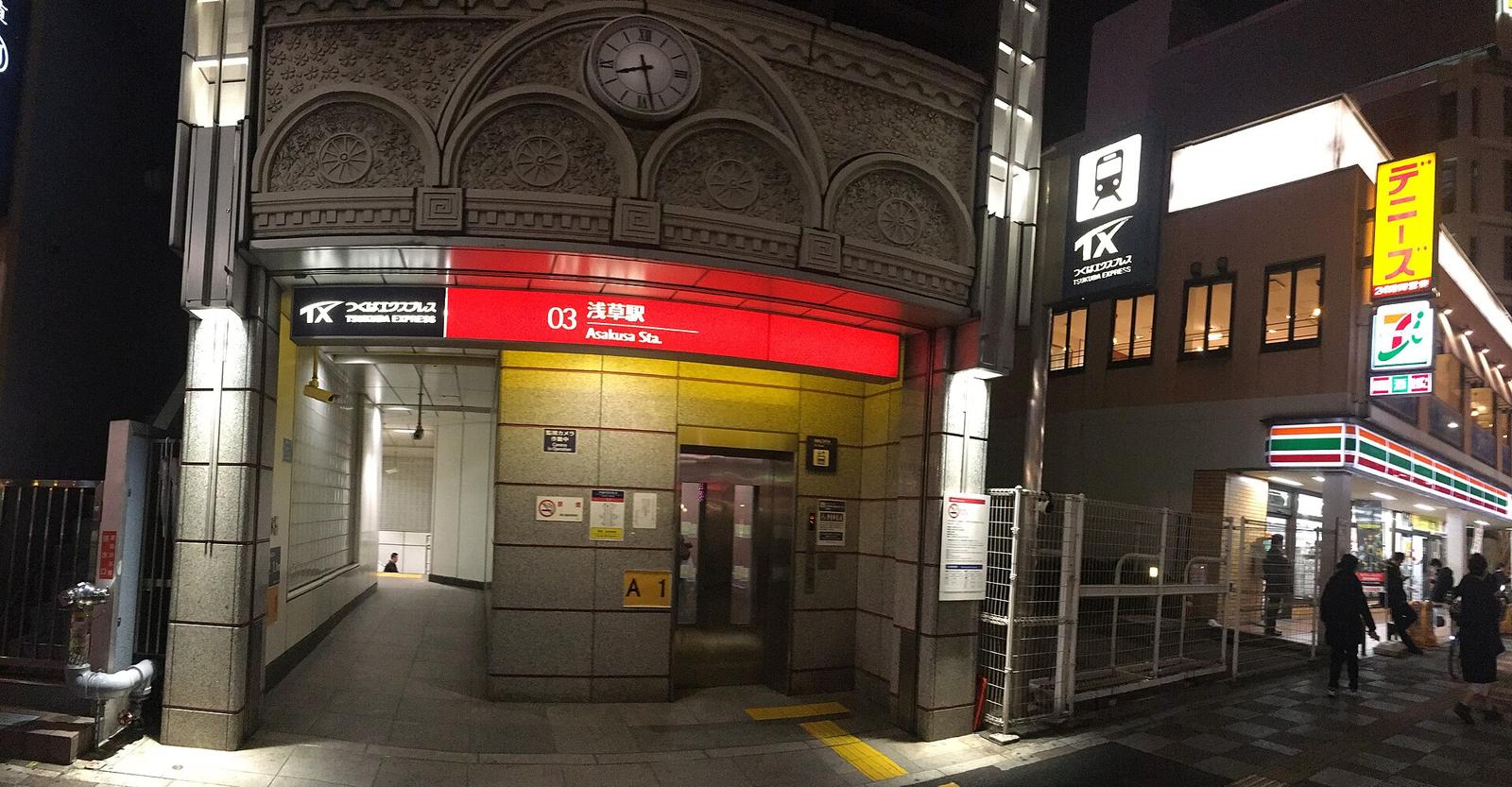
Asakusa is a working Tokyo neighbourhood as well as a visitor destination, and the official GO TOKYO guide gives readers a grounded way to approach it. The guide centres the area on Sensoji Temple, Kaminarimon, or Thunder Gate, and Nakamise shopping street. It describes a place shaped by tradition, arts, crafts and food rather than a backdrop that exists only for photographs.
Respect begins with understanding the setting. Kaminarimon and Nakamise lead towards a major temple area, while the guide also describes traditional shops and stalls. Visitors can move slowly, keep entrances and paths clear, and follow the instructions displayed at religious sites and businesses. These are practical habits that do not require an invented rulebook. The official page is the right source for any specific visitor instruction.
Transport is part of considerate planning. GO TOKYO identifies Asakusa Station on the Tokyo Metro Ginza Line, Toei Asakusa Line and Tobu Skytree Line. It also places the waterbus pier a short walk from the station. Checking the route before arrival helps a visitor avoid blocking a busy entrance while trying to work out the next step.
The guide presents Nakamise as a street with stalls and shops selling Japanese goods. Visitors can browse without treating every business as a photo opportunity. If a shop, shrine or resident indicates that photography is restricted, the request should be followed. The article does not claim that one etiquette rule applies everywhere; it encourages attention to the official setting and the people using it.
Asakusa’s history is part of its present-day character. The GO TOKYO page describes the area as centred on Sensoji and surrounded by water, with traditions, arts and crafts continuing through the neighbourhood. That context makes a slower visit more rewarding than a rushed checklist. A reader can choose a small route, leave space for other pedestrians and return to the source for current details.
For Tokyo readers, respectful travel is not complicated. Use the official guide, follow site instructions, ask before taking close photographs, keep the route adaptable and remember that Asakusa belongs to its residents and religious communities as well as its visitors. The cited source supports the named places, transport lines and neighbourhood description; no unsupported crowd figures, rankings or claims are added.
The official page should remain the final reference before travel. Opening hours, access arrangements, event details and seasonal information can change, and this article does not add facts that are not stated by the cited source. The useful habit is simple: start with the named Tokyo destination, read the current listing, and leave enough time to respond to conditions on the day.
That approach also keeps the plan local. It does not promise a ranking, a hidden bargain or a universal “best” experience. It gives readers a confirmed place, a practical way to think about the visit, and a clear reminder to check the source again before setting out.