Your Complete Guide to Tokyo's Best Local Heritage Experiences Right Now
From restored merchant quarters to living craft traditions, here's where to experience authentic Tokyo culture in 2026.
From restored merchant quarters to living craft traditions, here's where to experience authentic Tokyo culture in 2026.
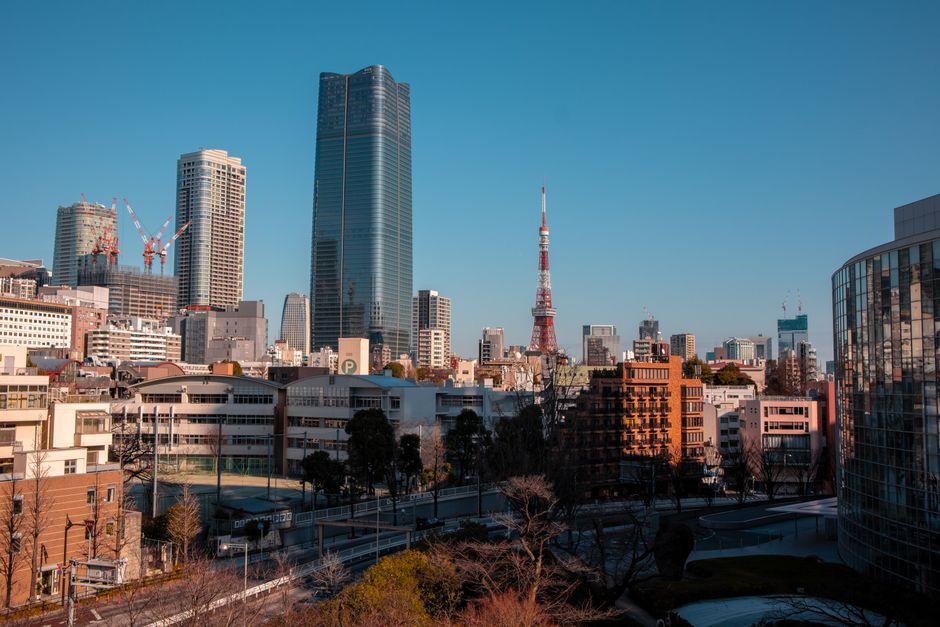
Tokyo's cultural identity isn't frozen in museums—it's alive in the neighbourhoods where locals actually live and work. This season offers unprecedented access to heritage experiences that reveal how the city's past shapes its present.
Start in Yanaka, where the narrow streets of this historically merchant-class district remain largely unchanged since the early 20th century. The neighbourhood's survival through wartime destruction makes it exceptionally rare; roughly 80 percent of original wooden machiya townhouses still stand. Visitors can explore the Yanaka Ginza shopping street (a 170-metre pedestrian arcade built in 1970 but lined with family-run shops since the 1950s), then detour to smaller galleries showcasing contemporary artists working within historic spaces. Entry to most is free; independent cafés here average ¥800–1,200 for coffee.
The Kuramae district, recently revitalised around its historic textile wholesale market, now balances industrial heritage with modern creativity. The area's connection to kimono production runs deep—several family-operated dyeworks still operate in converted warehouse spaces along the Sumida River. The Museum of Traditional Crafts Aoyama (¥1,000 entry) profiles seven major Tokyo craft traditions, but the real education happens by walking Kuramae's side streets where artisans maintain open studios during business hours.
For living cultural practice, the Meiji Shrine precinct in Shibuya remains Japan's most visited Shinto site, hosting approximately 3 million visitors annually. But fewer tourists venture to the Omotesando Onsen district nearby, where three public bathhouses dating to the 1960s–80s still operate (entry ¥500–700). These spaces represent Tokyo's neighbourly social infrastructure that predates the digital age.
Don't miss the Asakusa Culture and Tourism Center's newly expanded heritage map (free, available in five languages), which highlights 47 registered tangible cultural properties within walking distance. The Nakamise shopping street, despite its tourist reputation, employs over 90 vendors maintaining traditional crafts—many family operations spanning three generations.
The optimal strategy: spend mornings in less-crowded Yanaka or Kuramae (arrive by 8am for authentic street life), then move to major sites after 3pm when tour groups thin out. Most neighbourhoods are best explored on foot; Tokyo Metro day passes cost ¥900.
Summer festivals begin mid-July across these districts—Yanaka Matsuri and Kuramae Matsuri draw locals reconnecting with cultural anchors their families have known for decades. This is Tokyo heritage not as artifact, but as active, evolving practice.
This article was compiled by AI from the sources linked above and screened before publishing. See our editorial standards.
How does this story make you feel?
Spread the word
About this article
Published by The Daily Tokyo
Daily brief
Free, in your inbox before 7am. Weekdays.
More in culture