Your Complete Guide to Tokyo's Best Gallery and Museum Experiences Right Now
From cutting-edge contemporary spaces in Roppongi to intimate neighbourhood galleries, here's where Tokyo's art world is heading this summer.
From cutting-edge contemporary spaces in Roppongi to intimate neighbourhood galleries, here's where Tokyo's art world is heading this summer.
Tokyo's art scene is experiencing a particularly vibrant moment. With major institutions reopening after renovations and emerging galleries reshaping the cultural landscape, June 2026 offers visitors and locals alike an unprecedented range of experiences across the city's diverse neighbourhoods.
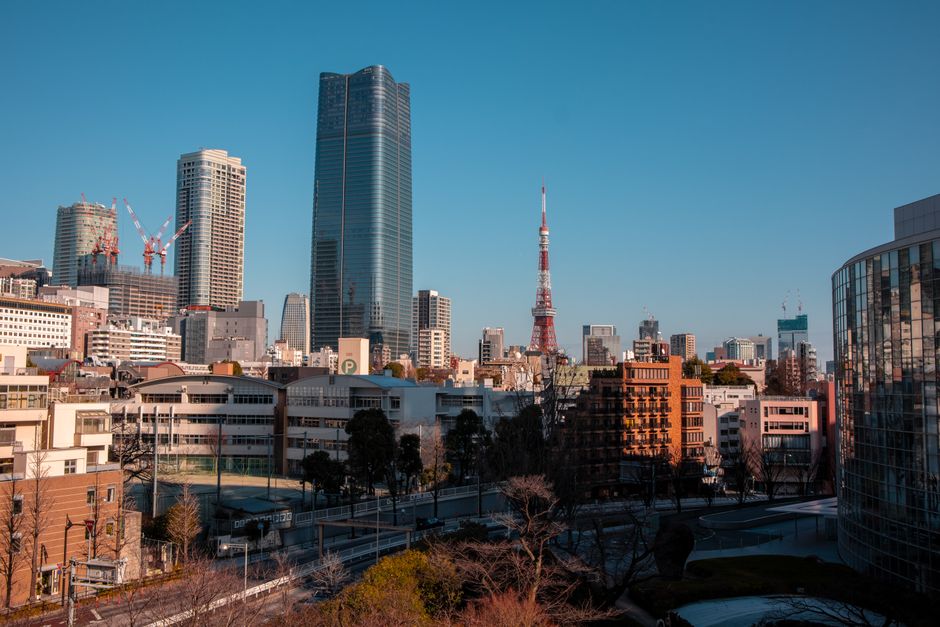
The Roppongi art corridor remains the city's heavyweight champion. The Museum of Modern Art, Kamakura—a short train ride away—attracts approximately 450,000 visitors annually, but closer to home, the National Art Centre Tokyo on Roppongi-dori continues its ambitious exhibition schedule without a permanent collection, instead rotating world-class shows. Entry typically runs ¥2,000-¥2,500 depending on exhibitions. Just steps away, the Mori Art Museum sits atop Roppongi Hills, offering both challenging contemporary work and sweeping city views that justify the ¥2,500 admission fee.
Shibuya's increasingly sophisticated gallery scene deserves equal attention. Parco Museum on the ninth floor of Parco shopping complex punches well above its weight with rotating contemporary shows that often reflect Tokyo's cutting-edge artistic movements. The ¥1,500 entry fee makes it accessible to curious browsers. Meanwhile, smaller independent galleries cluster along Udagawa-dori and side streets, where you'll find everything from photography collectives to experimental video installations, many offering free entry.
For something more intimate, head to Kuramae. This historically working-class neighbourhood has transformed into an unexpected creative hub. The Nakamise covered shopping street now intermixes traditional craft shops with artist-run galleries occupying converted warehouses. Many spaces charge no admission, creating natural gathering spots for the city's artistic community.
Ueno's museum district remains unmatched for sheer scale. The Tokyo National Museum—Japan's oldest and largest—attracts nearly two million visitors annually across its sprawling grounds. At ¥1,300 for general admission, it's essential viewing, particularly the Japanese art sections. The Museum of Western Art next door offers a fascinating counterpoint, while smaller institutions like the Shitamachi Museum preserve downtown Tokyo's vanishing heritage.
Don't overlook Meguro. The Meguro Art Museum and nearby Yebisu area galleries create an emerging secondary cluster worth a dedicated afternoon. The neighbourhood's industrial heritage attracts artists seeking affordable studio space, making it an authentic glimpse of Tokyo's creative infrastructure rather than polished tourism.
Most major institutions stay open until 5 or 6 PM weekdays, extending to 9 PM on select Fridays. Summer hours often shift earlier. Check individual websites, as exhibition schedules rotate monthly. Many offer reduced rates for students and seniors, while several neighbourhood galleries remain free year-round.
This article was compiled by AI from the sources linked above and screened before publishing. See our editorial standards.
How does this story make you feel?
Spread the word
About this article
Published by The Daily Tokyo
Daily brief
Free, in your inbox before 7am. Weekdays.
More in culture