How Shimokitazawa Became Tokyo's Soul: Tracing Three Decades of Bohemian Resistance and Revival
Once threatened with demolition, the neighbourhood's intimate theatres and vintage shops have shaped a cultural identity that defines modern Tokyo.
Once threatened with demolition, the neighbourhood's intimate theatres and vintage shops have shaped a cultural identity that defines modern Tokyo.
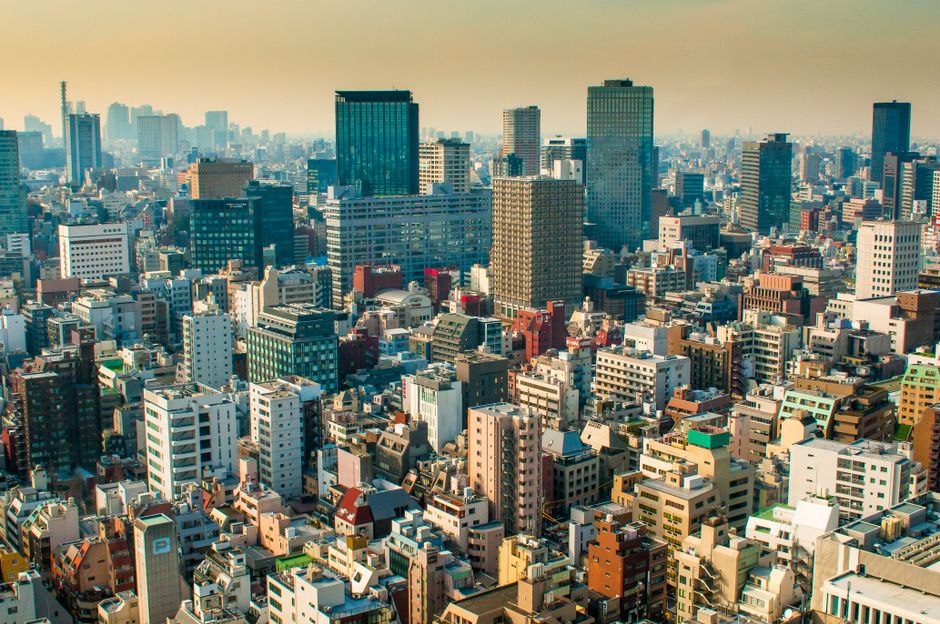
Walk down the narrow alleys of Shimokitazawa on a Friday evening, and you'll encounter a Tokyo that contradicts every skyscraper stereotype. Vintage record shops spill jazz onto cracked pavements. Tiny theatre companies rehearse in converted wooden buildings. At Bonus Track, a record store that has occupied the same corner since 1985, owner Hiroshi Nakamura stocks 40,000 vinyl records in a space barely larger than a shipping container. "This neighbourhood exists because people fought to keep it alive," he says, gesturing toward the warren of backstreets.
That fight was literal. In the late 1990s and early 2000s, the Tokyo Metropolitan Government planned to demolish much of Shimokitazawa for a new railway line. The neighbourhood—which had evolved since the 1960s into a bohemian hub for artists, musicians, and theatre makers—faced erasure. Residents, venue operators, and performers staged concerts, exhibitions, and theatrical protests. The campaign delayed the project significantly and preserved the neighbourhood's essential character, though construction ultimately proceeded in phases through 2019.
Today, that resistance remains embedded in Shimokitazawa's DNA. The Theatre Company Kaitaisha, founded in 1982, continues operating from a 120-seat venue tucked between ramen shops and vintage clothing boutiques. The neighbourhood now hosts approximately 250 small theatres and live music venues—more per capita than any other Tokyo district. An estimated 2.3 million tourists visit annually, drawn by authenticity that feels increasingly rare in Japan's capital.
But preservation hasn't meant stagnation. New businesses coexist with institutions. Along Ekimae-dori and Daigaku-dori, the streets throb with a curated chaos: craft coffee shops at ¥600 per cup sit next to hole-in-the-wall ramen joints at ¥800. Shimokitazawa Station itself underwent a stunning renovation completed in 2019, reimagined as a cultural hub rather than a mere transit point.
This evolution reflects something deeper about Tokyo's cultural identity. While global capitalism homogenizes much of the city, Shimokitazawa represents a counter-model: a neighbourhood where history, community resistance, and creative expression are treated as irreplaceable infrastructure. The vintage vinyl, the experimental theatre, the narrow streets themselves—these aren't tourist commodities but living testimony to a different way of building urban culture.
For Tokyo's creative class, Shimokitazawa remains what it has been for sixty years: proof that a city's soul can't be bulldozed if enough people choose to defend it.
This article was compiled by AI from the sources linked above and screened before publishing. See our editorial standards.
How does this story make you feel?
Spread the word
About this article
Published by The Daily Tokyo
Daily brief
Free, in your inbox before 7am. Weekdays.
More in culture