Tokyo's Fashion Renaissance: A Visitor's Guide to the City's Creative Design Scene
From avant-garde ateliers to cutting-edge textile museums, here's what international travellers need to know about experiencing Tokyo's world-class fashion ecosystem.
From avant-garde ateliers to cutting-edge textile museums, here's what international travellers need to know about experiencing Tokyo's world-class fashion ecosystem.
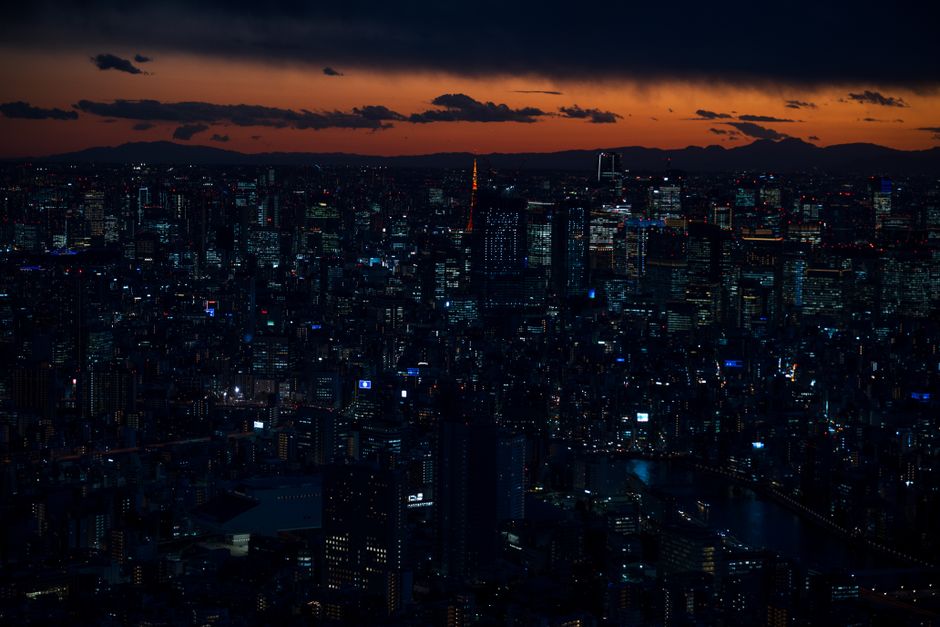
Tokyo has cemented its position as one of the globe's four major fashion capitals, yet most visitors scratch only the surface. Beyond the mainstream department stores of Ginza, the city hosts a thriving ecosystem of independent designers, experimental studios, and world-class institutions that showcase Japan's unique approach to fashion innovation.
Start in Harajuku, where the intersection of Omotesando and Meiji-dori feels like walking through a living laboratory of Japanese street style. While the area's Instagram-famous takeshita alley caters to mass tourism, savvy visitors head instead to the quieter Design Festa Gallery—a converted warehouse hosting rotating exhibitions by emerging Japanese designers. Entry costs just ¥500 (approximately $3.50), and works range from sustainable streetwear to avant-garde couture pieces that rarely appear in mainstream retail.
Shibuya's Parco shopping complex has become essential viewing for anyone interested in contemporary Japanese design. The institution dedicates entire floors to independent fashion labels and collaborative pop-up spaces, with rotating collections that shift monthly. Japan's creative industries contributed ¥24.8 trillion to GDP in 2024, with fashion accounting for roughly 12 percent of that figure—a statistic reflected in the quality and ambition of work on display here.
For deeper immersion, the Kyoto Costume Institute operates a research facility in Minato Ward focusing on textiles and garment history. While primarily scholarly, their seasonal exhibitions—recently exploring sustainable dyeing techniques—welcome public visitors and offer profound insights into Japanese design philosophy. Admission runs ¥1,500, with English materials available.
Don't miss Koenji, a neighbourhood south of Shinjuku where vintage shops cluster alongside young designers' studios. This area has become Tokyo's answer to Brooklyn's industrial cool, with the recent opening of three new textile manufacturing hubs in converted warehouses. It's possible to observe production processes firsthand—many studios welcome respectful visitors during business hours.
For purchasing, the Isetan Shinjuku men's and women's buildings feature dedicated floors showcasing Japanese contemporary labels that international department stores haven't yet discovered. Expect price points ranging from ¥15,000 to ¥80,000 for quality pieces from independent creators.
Plan at least three full days to properly explore Tokyo's fashion scene. The city rewards patience and curiosity: those venturing beyond obvious tourist zones will discover why Tokyo remains essential viewing for anyone serious about understanding contemporary design.
This article was compiled by AI from the sources linked above and screened before publishing. See our editorial standards.
How does this story make you feel?
Spread the word
About this article
Published by The Daily Tokyo
Daily brief
Free, in your inbox before 7am. Weekdays.
More in culture