From Shrine Matsuri to Neon Nights: How Tokyo's Festival Calendar Became a Global Blueprint
Two decades of digital transformation and cultural entrepreneurship have turned Tokyo's seasonal celebrations into a masterclass in urban festival evolution.
Two decades of digital transformation and cultural entrepreneurship have turned Tokyo's seasonal celebrations into a masterclass in urban festival evolution.
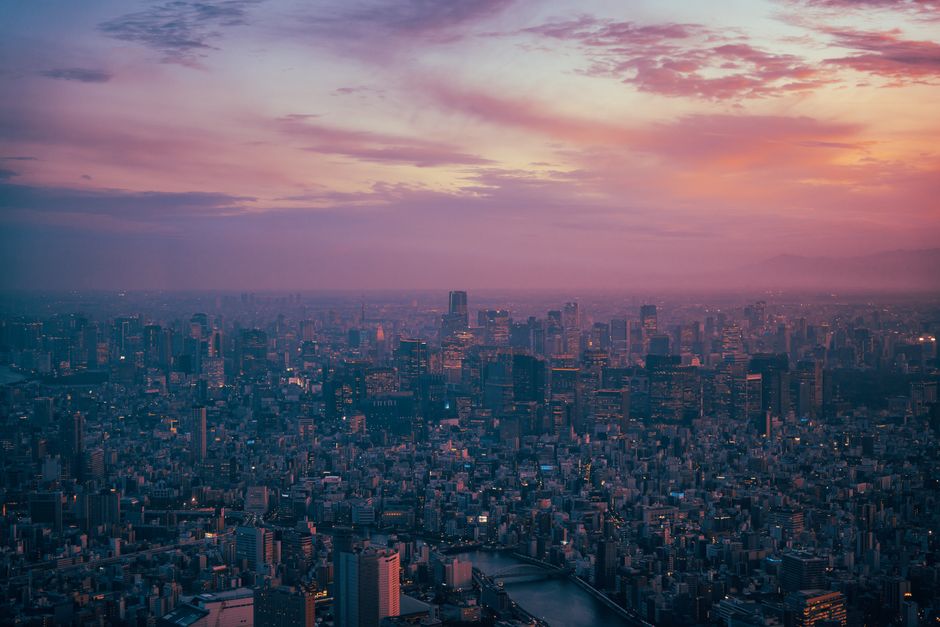
Walk through Shibuya on any given weekend in 2026 and you'll encounter a festival ecosystem that bears little resemblance to the one that dominated Tokyo thirty years ago. Yet the bones remain recognizable—that fundamental Japanese commitment to seasonal marking, to gathering, to the deliberate interruption of ordinary time.
The transformation began quietly. Traditional matsuri—the Sumida River Fireworks Festival in July, the Sanja Matsuri in Asakusa each May—had anchored Tokyo's cultural calendar for centuries. These shrine-centered celebrations, drawing crowds of 500,000 or more, were supplemented by neighborhood street festivals and corporate-sponsored events. But the 2000s brought a seismic shift. The rise of Roppongi Art Triangle in the early 2000s coincided with the explosion of contemporary art fairs and design weeks. Tokyo Design Week, launched in 2004, transformed Meiji Shrine's surroundings into a ten-day destination for global creatives and industry professionals.
The proliferation accelerated through the 2010s. Chiyoda Ward alone now hosts over forty significant cultural events annually—up from roughly a dozen in 2005. Harajuku's Takeshita Street, once purely commercial, became a seasonal installation art venue. The Fuji Rock Festival's expansion into a three-day mega-event drew international headliners and established Tokyo's summer music calendar as a genuine competitor to European festivals.
What's most striking is the evolution in accessibility and diversification. Early-2000s festivals catered primarily to local audiences; today, event organizers actively cultivate international attendance. Ticketing infrastructure—particularly through digital platforms—has replaced the ad-hoc cash collection of earlier decades. Attendance figures tell the story: the Tokyo Metropolitan Government's Office of Culture reported 67 million festival-related visits across the city in 2022, a figure that accounts for approximately 30 percent of all cultural tourism in the metropolitan area.
Perhaps most significantly, the traditional matsuri have themselves transformed. The Sanja Matsuri now competes with curated food festivals, tech conferences, and pop culture conventions for visitor attention. Yet rather than disappearing, many have found renewed purpose—adapting streaming capabilities, partnering with cultural organizations, maintaining relevance for younger generations while preserving ritual authenticity.
This is Tokyo's particular genius: the ability to honor seasonal tradition while embracing new modes of participation and experience. The festival calendar that emerges in June 2026 looks radically different from its precursor, yet it remains fundamentally rooted in the same impulse—the human need to gather, celebrate, and mark time together in a shared public space.
This article was compiled by AI from the sources linked above and screened before publishing. See our editorial standards.
How does this story make you feel?
Spread the word
About this article
Published by The Daily Tokyo
Daily brief
Free, in your inbox before 7am. Weekdays.
More in culture