Tokyo's Living History: What Visitors Must Know to Unlock the City's Soul
From sake breweries in Kuramae to samurai temples in Asakusa, understanding Tokyo's layered past transforms a visit from sightseeing into genuine cultural immersion.
From sake breweries in Kuramae to samurai temples in Asakusa, understanding Tokyo's layered past transforms a visit from sightseeing into genuine cultural immersion.
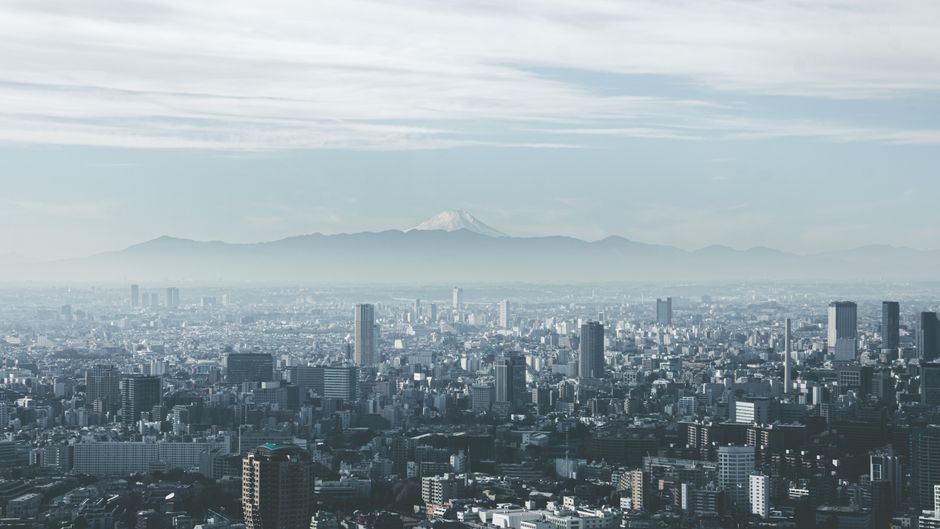
Tokyo's 1,400-year history moves at a pace that catches many visitors off-guard. Unlike European capitals where history sits preserved behind velvet ropes, Tokyo's heritage breathes—it lives in functioning temples, family-run shops spanning generations, and neighbourhoods that have survived war, earthquake and relentless modernisation.
Begin in Asakusa, where the Senso-ji Temple has welcomed worshippers since 645 CE. The vermillion torii gate and lantern-lit Nakamise shopping street aren't museum pieces but working spiritual and commercial spaces. Visitors should arrive before 9 a.m. to experience the authentic rhythm before tour groups overwhelm the narrow lanes. Admission is free; budget ¥1,000–2,000 for temple incense and traditional snacks.
Head east to Kuramae, where sake breweries like Sumida River Brewery offer tastings (¥500–1,500) and reveal how this neighbourhood supplied Tokyo's bars and restaurants for over three centuries. The Edo-Tokyo Museum, located nearby, provides crucial context—Japan's feudal capital became modern Tokyo in 1868, yet the Edo spirit persists in surviving wooden shophouses and craft traditions.
The must-know distinction: Tokyo preserves heritage through *practice*, not perfection. The wooden machiya townhouses of Yanaka—a neighbourhood spared firebombing during World War II—house contemporary galleries, cafés and artisan studios rather than frozen historical displays. Walking Yanaka Ginza, the neighbourhood's pedestrian shopping street, reveals how locals integrate past and present; a 120-year-old miso shop operates metres from a contemporary art space.
Visitors should understand that 1945 shaped modern Tokyo profoundly. American firebombing destroyed 67% of the city's buildings; only scattered pockets of pre-war architecture remain. The Meiji Shrine precinct in Shibuya represents Shinto tradition intact since 1920, while the nearby Omotesando avenue showcases how Tokyo rebuilt itself into an architectural showcase.
Pro tips: Purchase a prepaid IC card (Suica or Pasmo, ¥2,000) for seamless temple and museum visits. Many heritage sites offer free admission on specific days. The Tokyo Metropolitan Government website (metro.tokyo.lg.jp) lists English-language heritage walks led by certified guides (typically ¥5,000–8,000 per person).
What distinguishes Tokyo's heritage experience is its refusal to choose between old and new. Centuries-old Shinto practices coexist with neon-lit pachinko parlours. Understanding this paradox—not as contradiction but as cultural continuity—reveals why Tokyo's identity remains so distinctive among global capitals.
This article was compiled by AI from the sources linked above and screened before publishing. See our editorial standards.
How does this story make you feel?
Spread the word
About this article
Published by The Daily Tokyo
Daily brief
Free, in your inbox before 7am. Weekdays.
More in culture