From Yakitori Stalls to Michelin Stars: How Tokyo's Food Culture Became a Global Template
The capital's restaurant scene has transformed from humble street vendors to fine dining powerhouse over seven decades, reshaping how the world eats.
The capital's restaurant scene has transformed from humble street vendors to fine dining powerhouse over seven decades, reshaping how the world eats.
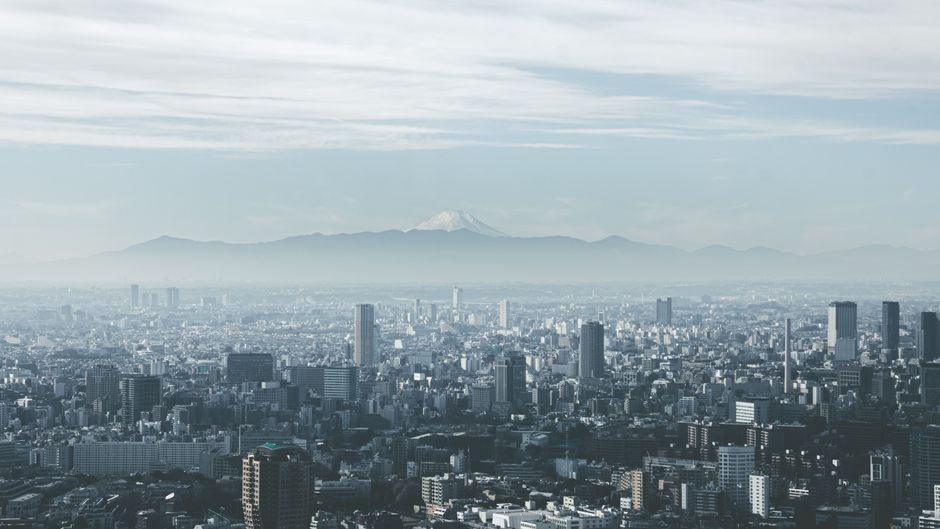
Walk through Yurakucho's narrow alleyways on any evening and you'll witness Tokyo's culinary DNA in real time. Beneath the railway tracks, salarymen crowd around yakitori vendors grilling chicken skewers over charcoal flames—a scene virtually unchanged since the 1950s. Yet venture into nearby Ginza or Shibuya, and you'll find Michelin-starred establishments commanding reservation waitlists months in advance. This paradox defines Tokyo's food culture: a city that venerates tradition while obsessively innovating.
The transformation began in earnest during Japan's post-war reconstruction. Where American occupation forces established themselves, informal eating establishments proliferated—the precursors to today's izakayas. By the 1960s, as Tokyo's economy surged, ramen shops and sushi counters became neighbourhood anchors. The city's population swelled to over 10 million by 1970, and with it came demand for affordable, quick sustenance. Shinjuku's Memory Lane (Omoide Yokocho) crystallised this era, with its warren of tiny establishments still operating under second-generation ownership.
The bubble economy of the 1980s marked a pivotal shift. Fine dining emerged as status symbol. French cuisine gained prestige; Japanese chefs began traveling abroad and returning with refined techniques. Tokyo's first Michelin guide, published in 2007, validated what insiders already knew: the city boasted extraordinary concentration of excellence. Today, Tokyo holds roughly 400 Michelin-starred establishments—more than any other city globally.
Yet the democratisation of food culture runs parallel. Convenience store economics transformed casual dining. 7-Eleven and Lawson colonised every corner, making acceptable meals accessible 24/7 for under ¥1,000. Food halls in department stores like Isetan and Mitsukoshi became temples of accessibility, offering chef-prepared dishes to office workers. Meanwhile, specialisation deepened: ramen shops perfected singular broths across decades; tonkatsu restaurants obsessed over pork provenance and breading technique.
Contemporary Tokyo exhibits remarkable stratification. Tsukiji Outer Market remains a pilgrimage site for fresh seafood culture, even as younger diners embrace fusion concepts in Harajuku's narrow streets. Shibuya's restaurant density—over 8,000 establishments in a single ward—enables extraordinary competition and constant reinvention.
What distinguishes Tokyo's evolution is philosophical. Unlike cities that compartmentalise dining by price or formality, Tokyo insists excellence exists everywhere. A ¥800 bowl of ramen receives the same scrutiny as a kaiseki omakase at ¥30,000. This democratised quality standard, built across generations, explains why the global culinary world watches Tokyo not as trend-follower but as template.
This article was compiled by AI from the sources linked above and screened before publishing. See our editorial standards.
How does this story make you feel?
Spread the word
About this article
Published by The Daily Tokyo
Daily brief
Free, in your inbox before 7am. Weekdays.
More in culture