From Basement Dreams to Packed Houses: The Architects Behind Tokyo's Live Music Renaissance
Meet the venue owners, promoters and sound engineers who transformed Shimokitazawa and beyond into Japan's most vibrant music epicenter.
Meet the venue owners, promoters and sound engineers who transformed Shimokitazawa and beyond into Japan's most vibrant music epicenter.
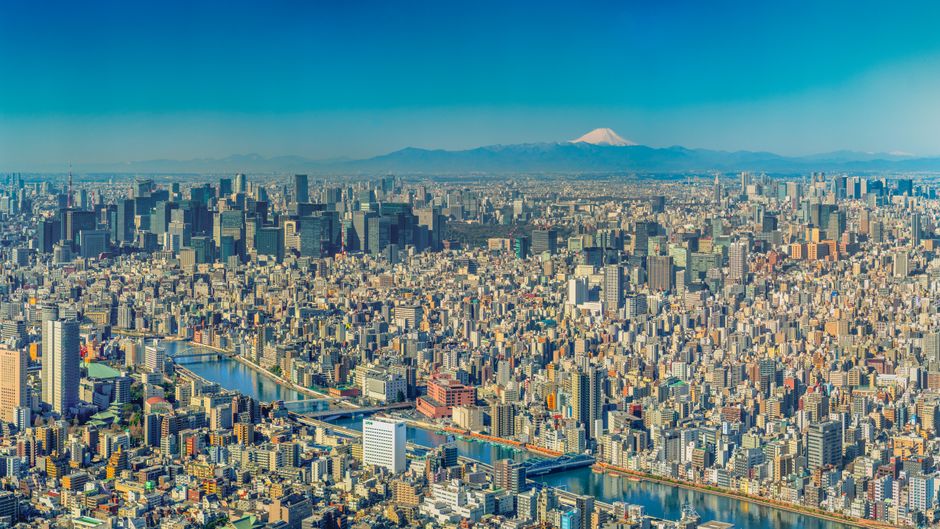
On any given Friday night, Shimokitazawa pulses with the unmistakable energy of Tokyo's live music scene. But this thriving ecosystem—where intimate 150-capacity clubs sit alongside mid-size venues hosting 500 fans—didn't emerge overnight. It's the product of decades of vision, persistence, and calculated risk-taking by a small group of music industry pioneers who refused to let their beloved underground scene vanish.
The story begins in the 1990s, when underground live houses operated almost invisibly, tucked into narrow alleyways and basement spaces throughout the ward. Rent was cheap. Regulations were lax. Audiences were passionate but scattered. "It was chaos, but beautiful chaos," recalls the operational history of venues like Shelter and La.mama, which have documented their own evolution through community archives and oral histories preserved by the Tokyo Live Music Association.
The real turning point came around 2008, when redevelopment threatened to erase entire blocks of Shimokitazawa's cultural fabric. This crisis catalyzed something unexpected: venue operators began collaborating rather than competing. They formed networks with promoters, sound engineers, and booking agents—many earning under ¥2.5 million annually—to collectively advocate for preservation and sustainable growth. Today, approximately 180 live music venues operate across central Tokyo, according to the Tokyo Metropolitan Government's Cultural Facilities Survey.
What distinguishes modern venue operators is their multifaceted approach. They're not simply landlords collecting ticket revenue. They're curators managing nightly lineups, mentors coaching emerging musicians, and community builders hosting everything from artist workshops to neighborhood festivals. A typical small venue might generate ¥15-25 million annually, with margins so tight that many owners work day jobs elsewhere.
The infrastructure behind the scenes remains equally crucial. Sound engineers who've trained for decades now mentor the next generation. Equipment suppliers have established reliable networks. Booking agents maintain relationships with hundreds of artists, from established acts to debut performers. This interlocking system—often invisible to casual concertgoers—enables the seamless production of 1,200+ live events monthly across Tokyo.
Yet challenges persist. Rising real estate costs continue threatening smaller venues. The pandemic's impact on performance culture lingers. Still, younger operators are entering the scene with fresh digital promotion strategies and hybrid event models, ensuring Tokyo's live music culture evolves rather than calcifies.
The people who built this scene remain mostly anonymous to mainstream audiences. But step into any of Tokyo's live houses tonight, and you're experiencing their legacy—a testament to what happens when communities prioritize culture over convenience.
This article was compiled by AI from the sources linked above and screened before publishing. See our editorial standards.
How does this story make you feel?
Spread the word
About this article
Published by The Daily Tokyo
Daily brief
Free, in your inbox before 7am. Weekdays.
More in culture