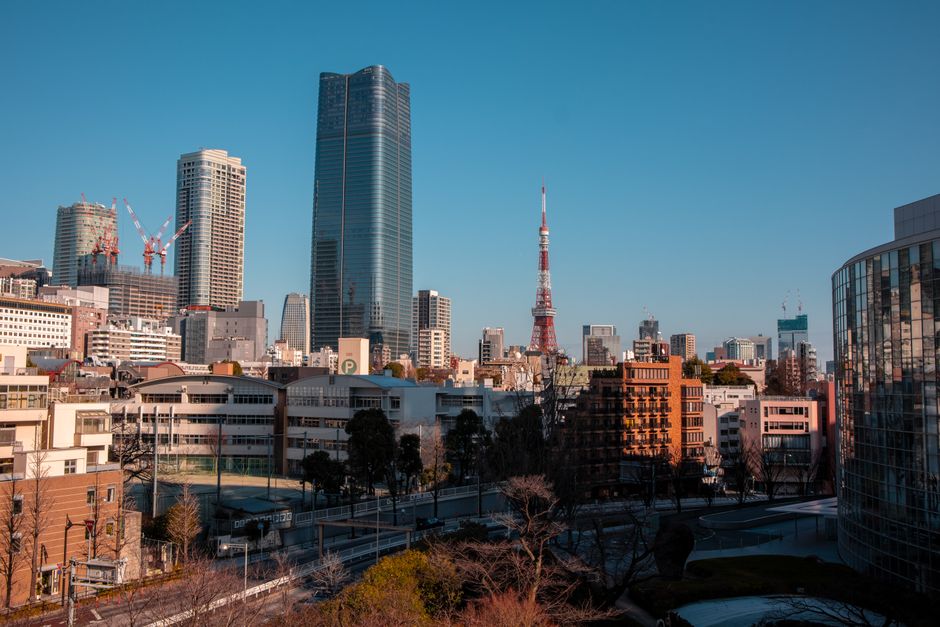
Walk down Meiji-dori in Shibuya today and you'll encounter a landscape unrecognisable to residents of the 1920s. Yet beneath the neon billboards and drone deliveries lies a deeply layered cultural history that explains why this 2.3-square-kilometre neighbourhood has become synonymous with Japanese innovation itself.
Before the postwar economic boom, Shibuya was primarily a geisha district and agricultural zone. The 1964 Olympics catalysed everything. The construction of Shibuya Station's modern facilities and the Yamanote Line's expansion transformed the area into a transport hub. By the 1980s, the pedestrian crossing—now handling roughly 2.6 million crossings daily—became a symbol of Tokyo's chaotic energy and carefully orchestrated urban design.
The Centre-Gai pedestrian street, established in 1966, pioneered the concept of car-free shopping zones in Japan. Today it remains densely packed with vintage record shops, declining from 47 in 2005 to just 12, yet representing Tokyo's ongoing negotiation between preservation and progress. Nearby, the Parco department store, opened in 1973, revolutionised Japanese retail by making shopping a cultural experience rather than mere transaction.
Cultural institutions anchor this evolution. The Bunka Gakuen Costume Museum in nearby Shinjuku preserves 12,000 garments documenting Japan's sartorial history. Meanwhile, the Tokyo Metropolitan Government Building's observation decks, free since 1992, democratised access to the city's visual heritage.
What makes Shibuya's evolution particularly significant is how it absorbed youth counterculture while maintaining commercial viability. The 1990s saw fashion tribes—kogals, bosozoku, decora—emerge here, creating a feedback loop where street fashion fed into global trends. This cycle continues: a single fashion trend spotted on Takeshita Street can generate ¥50 billion in retail activity within months.
Yet this success creates tensions. Rising rents have displaced independent venues that nurtured experimental art scenes. Ongaku Ya record shop, operating since 1975, closed last year. The nonprofit organisation Shibuya Heritage Project now documents disappearing cultural spaces through oral histories and photography.
Today's Shibuya represents a paradox: a place constantly remaking itself while anxiously preserving what made it special. Young musicians still perform in cramped clubs off Center-Gai. Fashion designers still scout trends on crowded streets. The cultural energy remains authentic, even as the infrastructure becomes increasingly corporate and controlled—a tension that defines contemporary Tokyo itself.
This article was compiled by AI from the sources linked above and screened before publishing. See our editorial standards.