Tokyo Fashion Design: Guide to Aoyama & Harajuku
Explore Tokyo's fashion renaissance across Aoyama and Harajuku. Discover flagship stores, Japan Fashion Week venues, and where to see cutting-edge designer ateliers.
Explore Tokyo's fashion renaissance across Aoyama and Harajuku. Discover flagship stores, Japan Fashion Week venues, and where to see cutting-edge designer ateliers.
Tokyo's fashion ecosystem has matured into something far more sophisticated than its teenage-rebellion reputation suggests. With Japan's creative industries now valued at over 2.7 trillion yen annually—and fashion a cornerstone of that economy—the city has become essential infrastructure for serious designers, collectors, and industry observers alike.
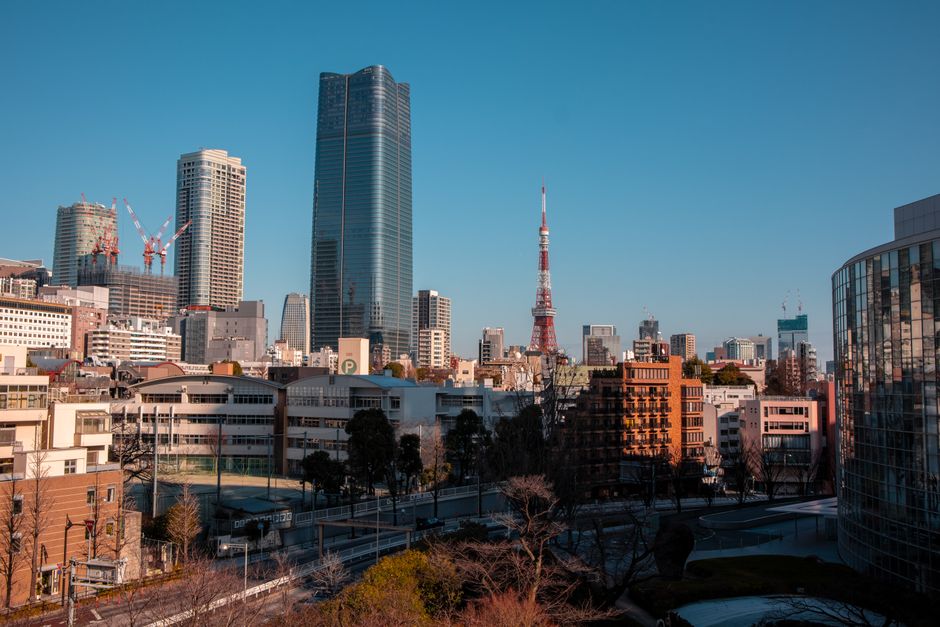
Start in Aoyama, where Tokyo's design establishment clusters around the intersecting streets of Omotesando and Minami-Aoyama. This is where Japanese and international flagship stores signal architectural ambition: towering facades by Tadao Ando and Kazuyo Sejima compete for attention. The Japan Fashion Week, held twice yearly in this district, draws over 10,000 industry professionals. Even between official seasons, the neighbourhood pulses with private showrooms and atelier offices where independent designers work directly with international buyers.
Harajuku remains essential, though its character has shifted. Takeshita Street still draws crowds seeking accessible trend-setting, but serious visitors should venture onto the quieter Omotesando Hills side streets—particularly around Meiji-dori—where concept stores like Dover Street Market Tokyo curate global and Japanese experimental labels. Vintage enthusiasts will find Ura-Harajuku's warren of independent shops increasingly stewarded by a new generation of curation-minded proprietors, many of whom are fashion school graduates positioning Tokyo as a global vintage capitals.
Shibuya's evolution reflects broader shifts. The district now hosts the Tokyo Metropolitan Government's Creative Industries Promotion Division offices, and younger designers favour studio-retail hybrids here over pure commercial spaces. Fashion boutiques increasingly share blocks with galleries and design studios, reflecting how Tokyo's creative workers now operate across disciplines.
Don't miss the Fashion and Textile Museum in Sumida Ward—an underutilised resource with rotating exhibitions exploring Japanese textile traditions alongside contemporary design. Admission runs around 1,500 yen, and the collection contextualises why Japanese craftsmanship commands such premium positioning globally.
Practical intelligence: Tokyo Fashion Week occurs in late September and late March; registering for trade shows requires industry credentials but observer passes sometimes surface through diplomatic channels or university connections. Designer studio visits in Minato and Shibuya typically require advance appointment—local fashion schools like Bunka Fashion College can occasionally facilitate introductions.
The wider lesson: Tokyo's fashion sector thrives because it refuses singular identity. Harajuku's playfulness coexists with Aoyama's architectural seriousness, vintage culture with cutting-edge fabrication research. Visitors should expect—and exploit—this productive contradiction.
This article was compiled by AI from the sources linked above and screened before publishing. See our editorial standards.
How does this story make you feel?
Spread the word
About this article
Published by The Daily Tokyo
Daily brief
Free, in your inbox before 7am. Weekdays.
More in culture