Tokyo's Gallery and Museum Guide: What First-Time Visitors Must Know and Where to Go
From world-class contemporary spaces in Roppongi to intimate neighbourhood galleries, Tokyo's art scene demands strategy—here's how to navigate it like a local.
From world-class contemporary spaces in Roppongi to intimate neighbourhood galleries, Tokyo's art scene demands strategy—here's how to navigate it like a local.
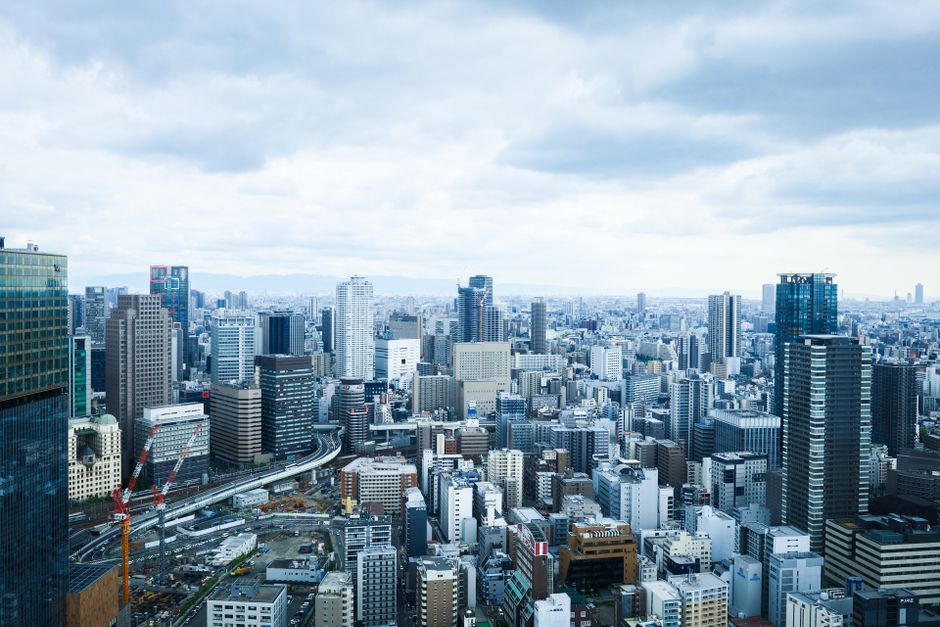
Tokyo's art world operates on a scale that can overwhelm the unprepared visitor. With over 100 galleries and museums scattered across the sprawling metropolis, success requires understanding the city's geography and seasonal rhythms. Unlike Western art capitals, Tokyo's scene is geographically fragmented—there's no single "museum quarter." Instead, distinct neighbourhoods have emerged as cultural hubs, each with its own character and collector base.
Roppongi remains the heavyweight district for contemporary art. The Tokyo Midtown complex alone houses the Suntory Museum of Art alongside commercial galleries representing major Japanese and international artists. The nearby Roppongi Art Triangle—anchored by the Museum of Modern Art, Tokyo—attracts serious collectors and casual visitors alike. Expect queues for blockbuster exhibitions; arriving before 10 a.m. on weekdays saves frustration.
For something fresher, head to Harajuku's quieter eastern precincts or the bohemian stretches along Meiji-dori, where independent galleries often charge no admission. The Ota Memorial Museum of Art, tucked near Omote-sando, specialises in ukiyo-e woodblock prints—essential for understanding Japanese visual culture. Entry is around ¥700.
Shinjuku houses the Tokyo Metropolitan Government Building's free observation deck, but serious art-seekers should visit the Tokyo Metropolitan Museum of Art in nearby Ueno. Ueno Park itself represents old Tokyo money—its cluster of museums (the National Museum, National Science Museum, and Tokyo National Museum) attracts roughly 8 million visitors annually. Go midweek if crowds unsettle you.
Practical intelligence: most museums close Mondays; many offer combined tickets. The Gratis Pass system provides discounts across affiliated venues. International credit cards work at major museums, but smaller galleries remain cash-only. Allow two to three hours minimum per venue; Japanese museum-goers typically spend longer than Western counterparts, creating an unhurried atmosphere.
Summer (now) brings special exhibitions and increased tourist traffic. June-through-August also sees the opening of artist-run spaces in converted warehouses, particularly in Chiyoda-ku's eastern fringes—these rarely advertise beyond Instagram. English signage remains inconsistent; download Google Translate's camera feature.
The crucial lesson: Tokyo's art scene rewards wandering and serendipity. Yes, visit the expected anchors. But equally valuable are the afternoons spent discovering a three-person gallery on a backstreet in Shinjuku or stumbling into a pop-up exhibition in an Aoyama basement. That's where Tokyo's genuine creative pulse resides.
This article was compiled by AI from the sources linked above and screened before publishing. See our editorial standards.
How does this story make you feel?
Spread the word
About this article
Published by The Daily Tokyo
Daily brief
Free, in your inbox before 7am. Weekdays.
More in culture