The Grassroots Revolution Reshaping Tokyo's Theatre and Film Scene
A new generation of independent collectives and neighbourhood venues are democratising performing arts across the capital, moving beyond Ginza's gilded stages.
A new generation of independent collectives and neighbourhood venues are democratising performing arts across the capital, moving beyond Ginza's gilded stages.
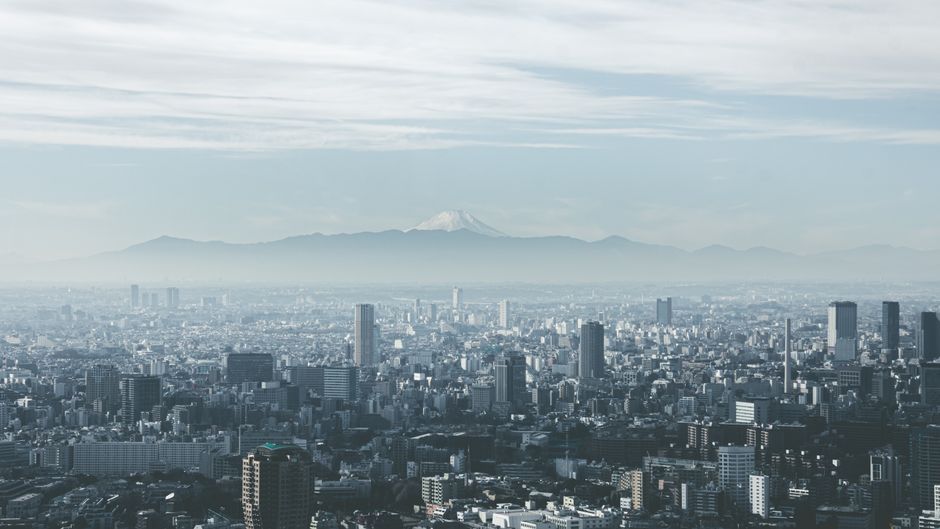
Walk through the narrow streets of Shimokitazawa on any Friday evening, and you'll encounter a Tokyo cultural landscape that barely existed a decade ago. Where vintage clothing shops once dominated, intimate black-box theatres now operate from converted wooden townhouses. The shift isn't coincidental—it reflects a deliberate movement by artists, curators and community organisers to decentralise performing arts away from the corporate-controlled venues of Ginza and Marunouchi.
The transformation accelerated significantly after 2020, when independent theatre groups began experimenting with non-traditional spaces. Today, organisations like the Shimokitazawa Theatre Association coordinate performances across roughly 40 small venues in the neighbourhood alone. Average ticket prices hover between ¥2,000–3,500, substantially undercutting the ¥8,000–15,000 typical at major commercial theatres, while productions increasingly feature experimental works rather than established repertoire.
This democratisation extends to film. The rise of community-run cinema clubs—particularly in eastern Tokyo neighbourhoods like Kuramae and Asakusa—has created screening spaces where audiences actively participate in programming decisions. The Asakusa Cinema Collective, founded in 2023, now hosts monthly curation sessions where regular attendees vote on retrospective themes. Monthly membership costs ¥1,500, making sustained access affordable for precarious workers and students who form the movement's backbone.
What distinguishes this shift is its explicitly anti-corporate philosophy. Unlike previous arts democratisation efforts that retained hierarchical structures, these collectives operate on consensus-based decision-making models. The Koenji Performance Network, spanning roughly 15 venues across the neighbourhood, publishes transparent budgets and rotates leadership annually. Their 2025 annual report showed 73% of revenue distributed directly to artists—a stark contrast to industry standards.
Tokyo's performing arts establishment hasn't ignored the movement. Major theatres including the Tokyo Metropolitan Theatre have begun partnering with independent collectives on co-productions, though tensions persist around artistic autonomy. Still, the numbers suggest irreversible change: independent theatre attendance across Tokyo's five primary grassroots hubs reached approximately 180,000 people last year, growing 34% annually since 2023.
For many practitioners, the movement represents something deeper than venue alternatives. It's about cultural ownership—reclaiming arts production from institutional gatekeeping. As Tokyo's theatre and film communities continue fragmenting into smaller, neighbourhood-based ecosystems, a fundamental question emerges: whether this grassroots revolution will eventually reshape how the entire city experiences performance.
This article was compiled by AI from the sources linked above and screened before publishing. See our editorial standards.
How does this story make you feel?
Spread the word
About this article
Published by The Daily Tokyo
Daily brief
Free, in your inbox before 7am. Weekdays.
More in culture