How Shimokitazawa Became Tokyo's Living Museum of Cultural Evolution
From post-war theatre district to today's heritage hotspot, this compact neighbourhood reveals how Tokyo preserves identity while racing toward the future.
From post-war theatre district to today's heritage hotspot, this compact neighbourhood reveals how Tokyo preserves identity while racing toward the future.
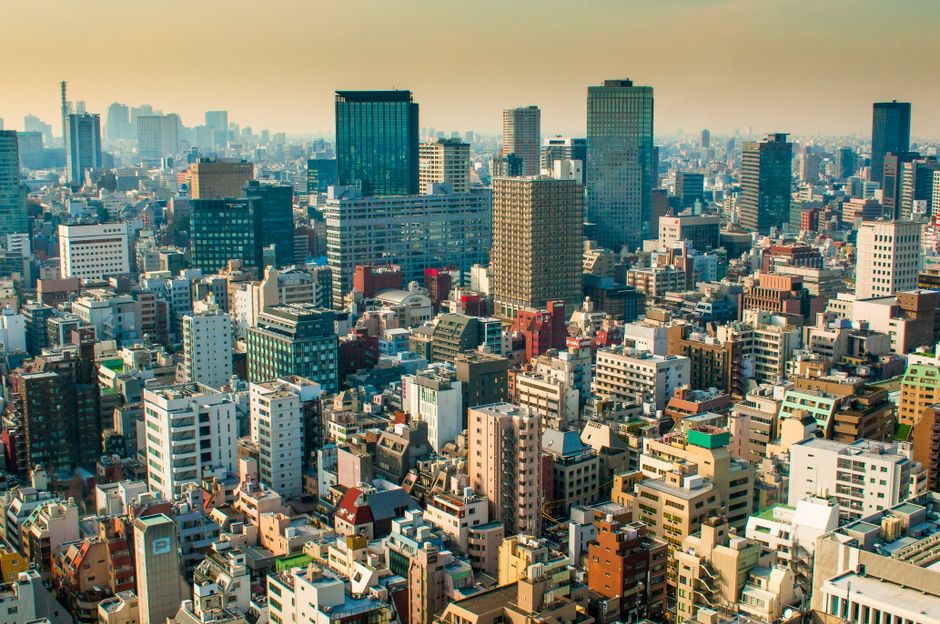
Walk down the narrow lanes of Shimokitazawa on a Saturday evening and you'll encounter Tokyo's most tangible paradox: a neighbourhood that has survived three major redevelopment threats while remaining fundamentally unchanged in spirit. The compact warren of alleyways, vintage izakayas, and independent theatres tells the story of how a working-class district transformed into a symbol of cultural resistance and local identity.
After World War II, Shimokitazawa emerged as an affordable creative hub. The 1960s saw the district blossom into Tokyo's theatre heartland, with venues like the Odoroki and Kichikitaza hosting experimental performances that challenged mainstream entertainment. By the 1970s, nearly 40 small theatres operated here—a density unmatched anywhere in the city. Rent averaged ¥8,000-12,000 per month for shop spaces, making it accessible to artists and musicians who couldn't afford Shinjuku or Shibuya.
The first redevelopment crisis arrived in 1997 when railway companies announced plans to demolish historic buildings for a new station complex. Local residents, cultural workers, and heritage advocates mounted sustained resistance. Their campaign—documented in countless community meetings held at neighbourhood shrines and schools—became a template for grassroots preservation across Tokyo. After 15 years of negotiation, the 2013 station renovation preserved the neighbourhood's character while modernising infrastructure. Today, that compromise remains the model cited in urban planning courses.
Shimokitazawa's cultural institutions anchor its identity. The Bonus Track theatre hosts 200-seat experimental productions; the Kitazawa Salon continues 40 years of hosting avant-garde performance; vintage record shops like Disk Union stock 50,000+ vinyl records, attracting international collectors. The neighbourhood council estimates 2.3 million visitors annually, yet maintains its village-like atmosphere through strict zoning that limits chain stores to just 8% of retail space.
Contemporary challenges test this balance. Gentrification pressures intensify as neighbouring Shibuya becomes increasingly corporate. Rents have risen 35% in five years, threatening independent venues. Yet the Shimokitazawa Preservation Association, established in 1998, continues monitoring development and advocating for heritage protection. Young theatre groups still debut here; vintage fashion boutiques thrive; live music venues maintain intimate 80-100 capacity shows.
For Tokyo's leadership grappling with heritage preservation amid development pressures, Shimokitazawa offers lessons: community organisation works; cultural identity justifies investment protection; and authenticity—paradoxically—attracts sustainable economic activity. The neighbourhood's evolution reveals that Tokyo's future depends on protecting spaces where its cultural past remains alive and accessible.
This article was compiled by AI from the sources linked above and screened before publishing. See our editorial standards.
How does this story make you feel?
Spread the word
About this article
Published by The Daily Tokyo
Daily brief
Free, in your inbox before 7am. Weekdays.
More in culture